
Contents
- 🏗️ Introduction to Plaster
- 🔨 History of Plaster
- 🌎 Types of Plaster
- 🎨 Stucco and Decorative Plasterwork
- 🔩 Plastering Techniques
- 🏢 External Rendering
- 🤔 Plaster vs Render: What's the Difference?
- 🌈 Modern Plastering Materials
- 🌟 Plaster in Architecture
- 📊 Sustainability and Plaster
- 👨💼 Plastering as a Profession
- 🔮 Future of Plaster
- Frequently Asked Questions
- Related Topics
Overview
Plaster, a mixture of water, sand, and lime or cement, has been a cornerstone of construction for millennia, with its use dating back to ancient Egyptian tombs around 2500 BCE. The technique of applying plaster has evolved significantly over time, influenced by various cultures and technological advancements. Today, plaster is not only used for its durability and fire-resistance but also for its aesthetic appeal, with ornate designs and textures adding a unique touch to buildings. However, the industry faces challenges such as the environmental impact of traditional plaster ingredients and the need for skilled labor. As the construction sector moves towards sustainability, innovative plaster materials and techniques are being developed, such as using recycled materials and 3D printing technology. With a vibe score of 7, plaster's cultural significance and practical applications continue to shape the built environment, sparking debates about preservation, innovation, and the role of traditional craftsmanship in modern construction.
🏗️ Introduction to Plaster
Plaster has been a cornerstone of construction for thousands of years, with its use dating back to ancient civilizations such as the Egyptians and Greeks. The material has been used for both functional and decorative purposes, from protective coatings to moulding and casting intricate designs. Today, plaster remains a popular choice for interior design and architectural projects, with its versatility and aesthetic appeal making it a favorite among builders and designers. The use of plaster can be seen in various building types, including residential and commercial properties. For more information on plaster, visit the Plaster page.
🔨 History of Plaster
The history of plaster is a long and varied one, with different cultures developing their own unique techniques and materials. In ancient Rome, for example, plaster was used to create intricate frescoes and mosaics, while in Asia, it was used to build elaborate temples and palaces. The use of plaster continued through the Middle Ages and into the Renaissance, with the material being used to create ornate ceilings and walls. The development of new plastering techniques and materials has continued to the present day, with modern plasterers using a range of tools and materials to create complex designs and patterns. For more information on the history of plaster, visit the History of Plaster page.
🌎 Types of Plaster
There are several types of plaster, each with its own unique characteristics and uses. Lime plaster, for example, is a popular choice for historic buildings and restoration projects, due to its breathability and durability. Gypsum plaster, on the other hand, is often used for new construction projects, as it is easier to work with and dries quickly. Cement plaster is another common type, often used for exterior rendering and decorative plasterwork. The choice of plaster type depends on the specific project requirements and the desired aesthetic. For more information on plaster types, visit the Plaster Types page.
🎨 Stucco and Decorative Plasterwork
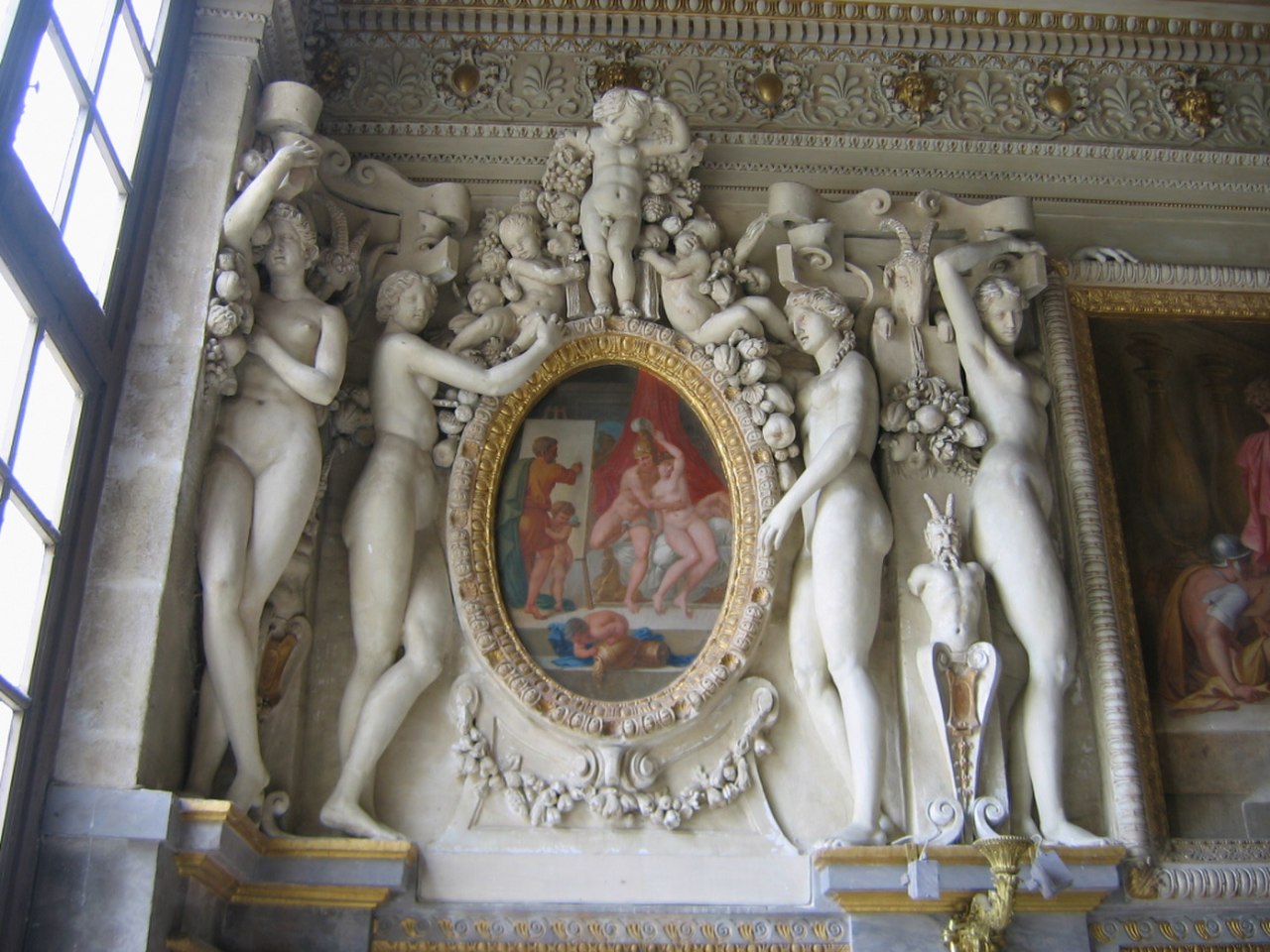
Stucco is a type of plasterwork that is worked in some way to produce relief decoration, rather than flat surfaces. This can include textured finishes, ornate mouldings, and other decorative elements. Stucco is often used to create intricate designs and patterns, and can be used to add visual interest to walls and ceilings. The use of stucco can be seen in various architectural styles, including Art Deco and Modernism. For more information on stucco, visit the Stucco page. Stucco is also used in furniture design and interior design to create unique and decorative pieces.
🔩 Plastering Techniques
Plastering techniques have evolved over the years, with modern plasterers using a range of tools and materials to create complex designs and patterns. Hand troweling is a traditional technique that involves applying plaster by hand, using a trowel to smooth and finish the surface. Machine applied plaster is another common technique, which involves using a machine to apply the plaster to the surface. The choice of technique depends on the specific project requirements and the desired aesthetic. For more information on plastering techniques, visit the Plastering Techniques page.
🏢 External Rendering
External rendering is the process of applying a layer of plaster to the exterior of a building, in order to protect it from the elements and improve its appearance. This can include cement rendering, lime rendering, and other types of exterior plastering. The use of external rendering can help to reduce maintenance and improve energy efficiency, as well as enhance the overall aesthetic of the building. For more information on external rendering, visit the External Rendering page.
🤔 Plaster vs Render: What's the Difference?
The terms 'plaster' and 'render' are often used interchangeably, but they actually refer to different things. In English, 'plaster' usually refers to a material used for the interiors of buildings, while 'render' commonly refers to external applications. This distinction is important, as the two materials have different properties and uses. For example, plaster is often used for decorative plasterwork, while render is often used for exterior rendering. The choice of material depends on the specific project requirements and the desired aesthetic. For more information on the difference between plaster and render, visit the Plaster vs Render page.
🌈 Modern Plastering Materials
Modern plastering materials have made it possible to create a wide range of decorative and functional effects. Acrylic plaster, for example, is a versatile material that can be used to create textured finishes and ornate mouldings. Polymer modified plaster is another common material, which is often used for exterior rendering and decorative plasterwork. The use of modern plastering materials has expanded the possibilities for plasterers and designers, allowing them to create complex and innovative designs. For more information on modern plastering materials, visit the Modern Plastering Materials page.
🌟 Plaster in Architecture
Plaster has played a significant role in the development of architecture throughout history. From the intricate frescoes of ancient Rome to the modern skyscrapers of today, plaster has been used to create a wide range of decorative and functional effects. The use of plaster can be seen in various architectural styles, including Art Deco and Modernism. For more information on the role of plaster in architecture, visit the Plaster in Architecture page. Plaster is also used in furniture design and interior design to create unique and decorative pieces.
📊 Sustainability and Plaster
The use of plaster can have a significant impact on the sustainability of a building. Lime plaster, for example, is a breathable material that can help to regulate humidity and improve indoor air quality. Cement plaster, on the other hand, can be more energy intensive to produce and may have a higher carbon footprint. The choice of plaster material depends on the specific project requirements and the desired aesthetic. For more information on the sustainability of plaster, visit the Sustainability and Plaster page.
👨💼 Plastering as a Profession
Plastering is a skilled trade that requires a great deal of training and experience. Plasterers must have a strong understanding of the materials and techniques involved, as well as the ability to work safely and efficiently. The use of plaster can be seen in various building types, including residential and commercial properties. For more information on plastering as a profession, visit the Plastering as a Profession page. Plasterers must also stay up-to-date with the latest plastering techniques and plastering materials.
🔮 Future of Plaster
The future of plaster is likely to be shaped by advances in technology and sustainability. Modern plastering materials are being developed that are more energy efficient and environmentally friendly. The use of plaster in architecture and interior design is also evolving, with new and innovative designs being created all the time. For more information on the future of plaster, visit the Future of Plaster page. The future of plaster is exciting and full of possibilities, with new and innovative designs being created all the time.
Key Facts
- Year
- 2500
- Origin
- Ancient Egypt
- Category
- Construction and Materials
- Type
- Material
Frequently Asked Questions
What is plaster?
Plaster is a building material used for the protective or decorative coating of walls and ceilings and for moulding and casting decorative elements. It is often used for interior design and architectural projects, and can be made from a variety of materials, including lime, gypsum, and cement. For more information on plaster, visit the Plaster page. Plaster is also used in furniture design and interior design to create unique and decorative pieces.
What are the different types of plaster?
There are several types of plaster, including lime plaster, gypsum plaster, and cement plaster. Each type has its own unique characteristics and uses, and the choice of plaster depends on the specific project requirements and desired aesthetic. For more information on plaster types, visit the Plaster Types page. The use of plaster can be seen in various building types, including residential and commercial properties.
What is stucco?
Stucco is a type of plasterwork that is worked in some way to produce relief decoration, rather than flat surfaces. It can include textured finishes, ornate mouldings, and other decorative elements, and is often used to add visual interest to walls and ceilings. For more information on stucco, visit the Stucco page. Stucco is also used in furniture design and interior design to create unique and decorative pieces.
What are the benefits of using plaster?
The benefits of using plaster include its breathability, durability, and aesthetic appeal. Plaster can help to regulate humidity and improve indoor air quality, and can be used to create a wide range of decorative and functional effects. For more information on the benefits of plaster, visit the Benefits of Plaster page. The use of plaster can be seen in various building types, including residential and commercial properties.
How is plaster applied?
Plaster can be applied using a variety of techniques, including hand troweling and machine applied plaster. The choice of technique depends on the specific project requirements and desired aesthetic, and plasterers must have a strong understanding of the materials and techniques involved. For more information on plastering techniques, visit the Plastering Techniques page. Plasterers must also stay up-to-date with the latest plastering techniques and plastering materials.
What is the difference between plaster and render?
The terms 'plaster' and 'render' are often used interchangeably, but they actually refer to different things. In English, 'plaster' usually refers to a material used for the interiors of buildings, while 'render' commonly refers to external applications. For more information on the difference between plaster and render, visit the Plaster vs Render page. The choice of material depends on the specific project requirements and the desired aesthetic.
Is plaster sustainable?
The sustainability of plaster depends on the specific material and technique used. Lime plaster, for example, is a breathable material that can help to regulate humidity and improve indoor air quality, while cement plaster can be more energy intensive to produce and may have a higher carbon footprint. For more information on the sustainability of plaster, visit the Sustainability and Plaster page. The use of plaster can be seen in various building types, including residential and commercial properties.