
Contents
- 🌼 Introduction to Polar Nuclei
- 🔍 The Role of Polar Nuclei in Double Fertilization
- 🌺 Structure and Function of Polar Nuclei
- 🔬 The Process of Double Fertilization
- 👩🔬 Key Players in Polar Nuclei Formation
- 🌻 The Importance of Polar Nuclei in Plant Reproduction
- 🤝 Interaction between Polar Nuclei and Sperm Cells
- 🌱 The Fate of Polar Nuclei after Fertilization
- 🌈 Diversity of Polar Nuclei in Different Plant Species
- 🔮 Controversies and Debates Surrounding Polar Nuclei
- 🌐 Future Research Directions in Polar Nuclei Study
- 📚 Conclusion and Summary of Polar Nuclei
- Frequently Asked Questions
- Related Topics
Overview
Polar nuclei are a crucial component of plant fertilization, playing a central role in the formation of the endosperm, a nutrient-rich tissue that supports seed development. Research by scientists like Peter Faegri and David Lloyd has shed light on the complex mechanisms underlying polar nuclei function, including the regulation of gene expression and cellular differentiation. However, controversy surrounds the exact mechanisms by which polar nuclei interact with other cellular components, such as the sperm nucleus and the central cell. With a vibe score of 8, the study of polar nuclei has significant implications for our understanding of plant reproduction and the development of novel agricultural technologies. The influence of key researchers like Barbara McClintock and the discovery of transposable elements has also shaped our understanding of polar nuclei. As we look to the future, the study of polar nuclei is likely to continue to uncover new insights into the intricate processes governing cellular reproduction, with potential applications in fields like biotechnology and synthetic biology.
🌼 Introduction to Polar Nuclei
Polar nuclei are a crucial component of the female gametophyte, also known as the embryonic sac or megagametophyte, in angiosperms. They play a vital role in the process of double fertilization, which is a complex fertilization mechanism unique to angiosperms. The polar nuclei are formed during the development of the female gametophyte and are responsible for fusing with one of the two male gametes (sperm) released by the pollen tube. This fusion results in the formation of the endosperm, a nutrient-rich tissue that supports the development of the embryo. For more information on the structure and function of the female gametophyte, see Female Gametophyte.
🔍 The Role of Polar Nuclei in Double Fertilization
The role of polar nuclei in double fertilization is to fuse with one of the sperm cells, resulting in the formation of the endosperm. This process is critical for the development of the seed and the embryo. The polar nuclei are haploid cells that contain genetic material from the female parent, and when they fuse with the sperm cell, they form a triploid cell that gives rise to the endosperm. The endosperm provides nutrients to the developing embryo and plays a crucial role in seed development. To learn more about the process of double fertilization, visit Double Fertilization.
🌺 Structure and Function of Polar Nuclei
The structure and function of polar nuclei are closely related to their role in double fertilization. The polar nuclei are typically located at the center of the embryonic sac and are surrounded by other cells, including the egg cell and the synergids. The polar nuclei are haploid cells that contain a single set of chromosomes, and they are responsible for fusing with the sperm cell to form the endosperm. The polar nuclei are also involved in the regulation of gene expression and the development of the seed. For more information on the structure and function of the embryonic sac, see Embryonic Sac.
🔬 The Process of Double Fertilization
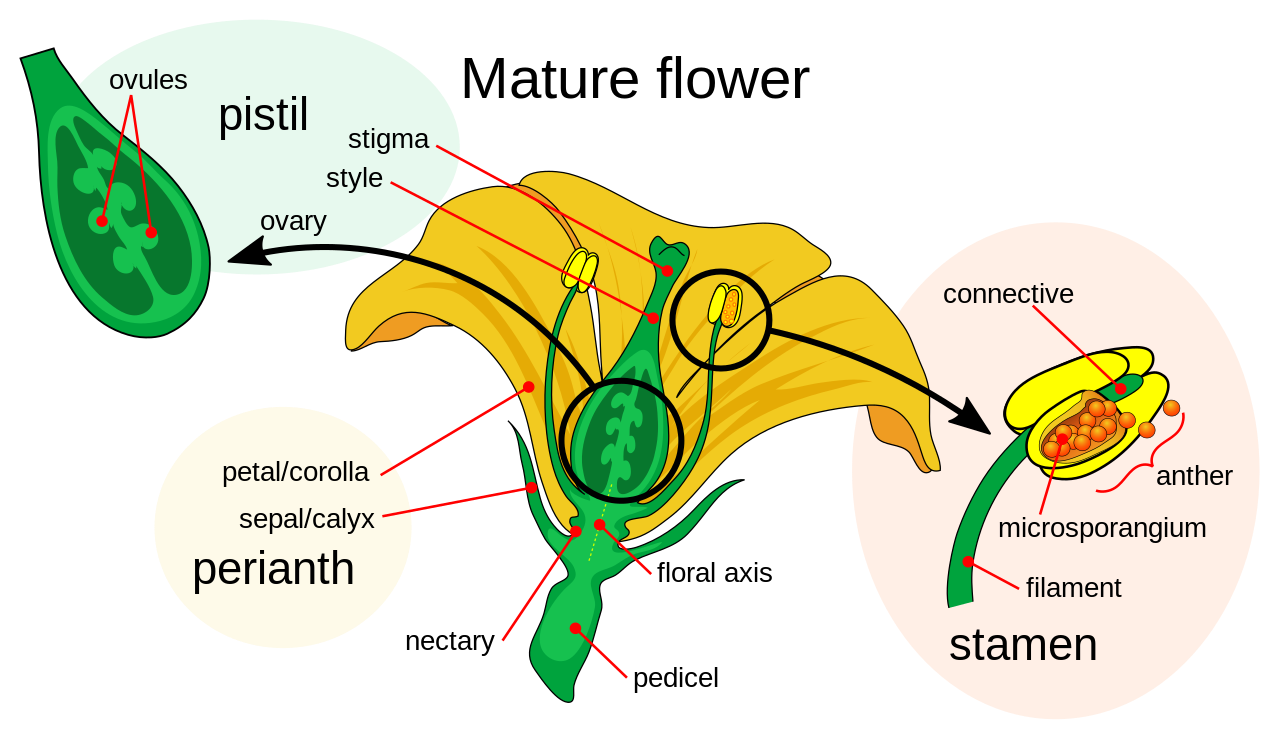
The process of double fertilization involves the fusion of the polar nuclei with one of the sperm cells, resulting in the formation of the endosperm. This process begins when a pollen grain adheres to the stigmatic surface of the carpel, the female reproductive structure of angiosperm flowers. The pollen grain then germinates, forming a pollen tube that penetrates and extends down through the style toward the ovary. The tip of the pollen tube then enters the ovary by penetrating the micropyle opening in the ovule, and releases two sperm into the embryonic sac. To learn more about the process of pollen germination, visit Pollen Germination.
👩🔬 Key Players in Polar Nuclei Formation
The key players in polar nuclei formation are the cells that make up the female gametophyte, including the polar nuclei, the egg cell, and the synergids. The polar nuclei are formed during the development of the female gametophyte and are responsible for fusing with the sperm cell to form the endosperm. The egg cell is also an important component of the female gametophyte and is responsible for fusing with the other sperm cell to form the zygote. The synergids are cells that are located near the egg cell and play a role in the regulation of fertilization. For more information on the role of the egg cell in fertilization, see Egg Cell.
🌻 The Importance of Polar Nuclei in Plant Reproduction
The importance of polar nuclei in plant reproduction cannot be overstated. The polar nuclei play a critical role in the formation of the endosperm, which provides nutrients to the developing embryo and supports seed development. Without the polar nuclei, the endosperm would not form, and the seed would not be able to develop properly. The polar nuclei are also involved in the regulation of gene expression and the development of the seed, making them a crucial component of the female gametophyte. To learn more about the importance of the endosperm in seed development, visit Endosperm.
🤝 Interaction between Polar Nuclei and Sperm Cells
The interaction between polar nuclei and sperm cells is a critical component of double fertilization. The polar nuclei are responsible for fusing with one of the sperm cells, resulting in the formation of the endosperm. The sperm cells are released by the pollen tube and enter the embryonic sac, where they fuse with the polar nuclei or the egg cell. The interaction between the polar nuclei and the sperm cells is regulated by a complex series of cellular and molecular interactions, and is critical for the formation of the endosperm and the development of the seed. For more information on the process of sperm cell release, see Sperm Cell Release.
🌱 The Fate of Polar Nuclei after Fertilization
The fate of polar nuclei after fertilization is to fuse with the sperm cell and form the endosperm. The endosperm is a nutrient-rich tissue that provides nutrients to the developing embryo and supports seed development. The polar nuclei are no longer present as individual cells after fertilization, but their genetic material is incorporated into the endosperm, where it plays a critical role in the development of the seed. To learn more about the development of the endosperm, visit Endosperm Development.
🌈 Diversity of Polar Nuclei in Different Plant Species
The diversity of polar nuclei in different plant species is a reflection of the diversity of plant reproductive strategies. Different plant species have evolved unique reproductive strategies, including different types of fertilization and seed development. The polar nuclei play a critical role in these reproductive strategies, and their structure and function can vary significantly between different plant species. For more information on the diversity of plant reproductive strategies, see Plant Reproductive Strategies.
🔮 Controversies and Debates Surrounding Polar Nuclei
There are several controversies and debates surrounding polar nuclei, including the mechanism of double fertilization and the role of polar nuclei in seed development. Some researchers have suggested that the polar nuclei may play a more active role in the regulation of fertilization and seed development than previously thought, while others have suggested that the polar nuclei may be less important than other components of the female gametophyte. To learn more about the controversies surrounding polar nuclei, visit Polar Nuclei Controversies.
🌐 Future Research Directions in Polar Nuclei Study
Future research directions in polar nuclei study include the investigation of the molecular mechanisms underlying double fertilization and the role of polar nuclei in seed development. Researchers are using a variety of techniques, including genetic and molecular biology, to study the polar nuclei and their role in plant reproduction. For more information on the latest research in polar nuclei study, see Polar Nuclei Research.
📚 Conclusion and Summary of Polar Nuclei
In conclusion, polar nuclei are a critical component of the female gametophyte and play a vital role in the process of double fertilization. The polar nuclei are responsible for fusing with one of the sperm cells, resulting in the formation of the endosperm, and are involved in the regulation of gene expression and the development of the seed. Further research is needed to fully understand the role of polar nuclei in plant reproduction and to explore their potential applications in agriculture and biotechnology. To learn more about the applications of polar nuclei research, visit Polar Nuclei Applications.
Key Facts
- Year
- 2010
- Origin
- Plant Fertilization Research
- Category
- Cell Biology
- Type
- Biological Concept
Frequently Asked Questions
What is the role of polar nuclei in double fertilization?
The polar nuclei fuse with one of the sperm cells, resulting in the formation of the endosperm. The endosperm is a nutrient-rich tissue that provides nutrients to the developing embryo and supports seed development. For more information on the role of polar nuclei in double fertilization, see Double Fertilization.
What is the structure and function of polar nuclei?
The polar nuclei are haploid cells that contain a single set of chromosomes. They are responsible for fusing with the sperm cell to form the endosperm and are involved in the regulation of gene expression and the development of the seed. For more information on the structure and function of polar nuclei, see Polar Nuclei.
What is the importance of polar nuclei in plant reproduction?
The polar nuclei play a critical role in the formation of the endosperm, which provides nutrients to the developing embryo and supports seed development. Without the polar nuclei, the endosperm would not form, and the seed would not be able to develop properly. For more information on the importance of polar nuclei in plant reproduction, see Plant Reproduction.
How do polar nuclei interact with sperm cells?
The polar nuclei fuse with one of the sperm cells, resulting in the formation of the endosperm. The interaction between the polar nuclei and the sperm cells is regulated by a complex series of cellular and molecular interactions. For more information on the interaction between polar nuclei and sperm cells, see Sperm Cell Interaction.
What is the fate of polar nuclei after fertilization?
The polar nuclei fuse with the sperm cell and form the endosperm. The endosperm is a nutrient-rich tissue that provides nutrients to the developing embryo and supports seed development. For more information on the fate of polar nuclei after fertilization, see Endosperm Development.
What are the controversies surrounding polar nuclei?
There are several controversies surrounding polar nuclei, including the mechanism of double fertilization and the role of polar nuclei in seed development. Some researchers have suggested that the polar nuclei may play a more active role in the regulation of fertilization and seed development than previously thought. For more information on the controversies surrounding polar nuclei, see Polar Nuclei Controversies.
What are the future research directions in polar nuclei study?
Future research directions in polar nuclei study include the investigation of the molecular mechanisms underlying double fertilization and the role of polar nuclei in seed development. Researchers are using a variety of techniques, including genetic and molecular biology, to study the polar nuclei and their role in plant reproduction. For more information on the future research directions in polar nuclei study, see Polar Nuclei Research.