
Contents
- 🔍 Introduction to Psychophysiology
- 💻 Methods in Psychophysiology
- 📈 Branches of Psychophysiology
- 👥 Social Psychophysiology
- 🏋️♀️ Sport Psychophysiology
- 🧠 Cognitive Psychophysiology
- ❤️ Cardiovascular Psychophysiology
- 🏥 Clinical Psychophysiology
- 📊 Future Directions in Psychophysiology
- 🤝 Interdisciplinary Connections
- 📚 Conclusion
- Frequently Asked Questions
- Related Topics
Overview
Psychophysiology is the study of the physiological basis of psychological processes, exploring how our thoughts, emotions, and behaviors are intertwined with our bodily functions. This field has its roots in the work of pioneers like William James and Carl Jung, who laid the groundwork for understanding the complex relationships between the brain, nervous system, and bodily responses. With the advent of advanced neuroimaging techniques and wearable sensors, psychophysiology has become a vibrant area of research, shedding light on topics such as stress, emotional regulation, and decision-making. For instance, studies have shown that chronic stress can alter the structure and function of the brain, leading to changes in mood, cognitive function, and even gene expression. The field has also been influenced by key figures like Hans Selye, who introduced the concept of the 'general adaptation syndrome,' and Paul Ekman, who developed the theory of emotional facial expressions. As we continue to navigate the intricacies of human experience, psychophysiology is poised to reveal new insights into the dynamic interplay between our internal and external worlds, with potential applications in fields like psychology, neuroscience, and medicine.
🔍 Introduction to Psychophysiology
Psychophysiology is the branch of psychology that is concerned with the physiological bases of psychological processes. This field of study has undergone significant transformations since its inception, with a shift from a broad, general field of research in the 1960s and 1970s to a more specialized and nuanced discipline. As researchers continue to explore the intricacies of the human mind and body, psychophysiology has become an essential tool for understanding the complex relationships between psychological and physiological processes. For instance, the study of Neuroplasticity has revealed the brain's ability to reorganize itself in response to new experiences, while Neurotransmitters play a crucial role in regulating various physiological and psychological processes. Furthermore, the concept of Homeostasis highlights the body's ability to maintain a stable internal environment despite changes in external conditions.
💻 Methods in Psychophysiology
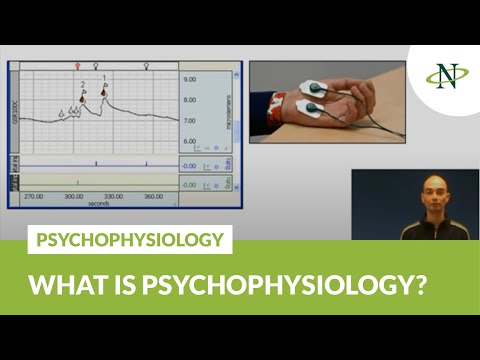
The methods used in psychophysiology are diverse and often involve combinations of electrophysiological methods, Neuroimaging, and Neurochemistry. Electrophysiological methods, such as electroencephalography (EEG) and electromyography (EMG), allow researchers to measure the electrical activity of the brain and muscles. Neuroimaging techniques, including functional magnetic resonance imaging (fMRI) and positron emission tomography (PET), provide detailed images of brain structure and function. Neurochemistry involves the study of the chemical processes that occur within the brain and body, including the role of Hormones and Neurotransmitters in regulating various physiological and psychological processes. By combining these methods, researchers can gain a more comprehensive understanding of the complex relationships between psychological and physiological processes. For example, the study of Stress and its effects on the body has led to a greater understanding of the importance of Relaxation Techniques in maintaining overall health and well-being.
📈 Branches of Psychophysiology
Over time, psychophysiology has branched into various subspecializations, each with its unique focus and methods. Social Psychophysiology explores the physiological basis of social interactions and relationships, while Sport Psychophysiology examines the physiological responses to exercise and physical activity. Cognitive Psychophysiology focuses on the physiological processes underlying cognitive functions, such as attention and memory. Other branches of psychophysiology include Cardiovascular Psychophysiology, which studies the relationship between the heart and brain, and Clinical Psychophysiology, which applies psychophysiological principles to the diagnosis and treatment of psychological disorders. For instance, the study of Anxiety Disorders has led to the development of more effective treatments, such as Cognitive-Behavioral Therapy.
🏋️♀️ Sport Psychophysiology
Sport psychophysiology is a specialized field that examines the physiological responses to exercise and physical activity. Researchers in this field use a range of methods, including Heart Rate Variability (HRV) and Electromyography (EMG), to study the physiological responses to exercise and physical activity. For example, studies have shown that regular exercise can lead to improvements in Cardiovascular Health and Cognitive Function. Additionally, research on Motivation has highlighted the importance of intrinsic motivation in maintaining a consistent exercise routine. By exploring the physiological responses to exercise and physical activity, sport psychophysiology can provide valuable insights into the complex relationships between physical activity and overall health and well-being. Furthermore, the study of Exercise Psychology can help us better understand the psychological factors that influence exercise behavior and adherence.
🧠 Cognitive Psychophysiology
Cognitive psychophysiology is a field of study that focuses on the physiological processes underlying cognitive functions, such as attention and memory. Researchers in this field use a range of methods, including Event-Related Potentials (ERPs) and Functional Magnetic Resonance Imaging (fMRI), to study the neural mechanisms underlying cognitive processes. For example, studies have shown that Attention is a critical component of cognitive function, and that deficits in attention can lead to impairments in Memory and other cognitive abilities. Additionally, research on Neuroplasticity has highlighted the brain's ability to reorganize itself in response to new experiences, and the importance of Cognitive Training in maintaining cognitive health. By exploring the physiological basis of cognitive functions, cognitive psychophysiology can provide valuable insights into the complex relationships between cognitive processes and overall health and well-being.
❤️ Cardiovascular Psychophysiology
Cardiovascular psychophysiology is a field of study that examines the relationship between the heart and brain. Researchers in this field use a range of methods, including Heart Rate Variability (HRV) and Blood Pressure Monitoring, to study the physiological responses to stress and other stimuli. For example, studies have shown that Stress can have a significant impact on Cardiovascular Health, and that chronic stress can lead to the development of Hypertension and other cardiovascular disorders. Additionally, research on Relaxation Techniques has highlighted the importance of stress management in maintaining overall health and well-being. By exploring the relationship between the heart and brain, cardiovascular psychophysiology can provide valuable insights into the complex relationships between psychological and physiological processes. Furthermore, the study of Cardiovascular Disease can help us better understand the risk factors and prevention strategies for this major public health concern.
🏥 Clinical Psychophysiology
Clinical psychophysiology is a field of study that applies psychophysiological principles to the diagnosis and treatment of psychological disorders. Researchers in this field use a range of methods, including Electroencephalography (EEG) and Functional Magnetic Resonance Imaging (fMRI), to study the neural mechanisms underlying psychological disorders. For example, studies have shown that Anxiety Disorders are characterized by abnormalities in Brain Structure and Function, and that Cognitive-Behavioral Therapy can be an effective treatment for these disorders. Additionally, research on Depression has highlighted the importance of Neurotransmitters in regulating mood and emotional responses. By exploring the physiological basis of psychological disorders, clinical psychophysiology can provide valuable insights into the complex relationships between psychological and physiological processes. Furthermore, the study of Psychological Assessment can help us better understand the diagnostic tools and methods used to evaluate psychological functioning.
📊 Future Directions in Psychophysiology
As psychophysiology continues to evolve, it is likely that new methods and technologies will be developed to study the complex relationships between psychological and physiological processes. For example, the use of Wearable Devices and Mobile Health technologies may provide new opportunities for researchers to study psychological and physiological processes in real-world settings. Additionally, the development of new Neuroimaging techniques, such as Functional Near-Infrared Spectroscopy (fNIRS), may provide new insights into the neural mechanisms underlying psychological processes. By exploring the future directions of psychophysiology, researchers can gain a better understanding of the complex relationships between psychological and physiological processes and develop new treatments and interventions for psychological disorders. Furthermore, the study of Psychophysiology can help us better understand the importance of Interdisciplinary Research in advancing our knowledge of human behavior and health.
🤝 Interdisciplinary Connections
Psychophysiology is an interdisciplinary field that draws on knowledge and methods from psychology, physiology, neuroscience, and other disciplines. By exploring the connections between psychophysiology and other fields, researchers can gain a more comprehensive understanding of the complex relationships between psychological and physiological processes. For example, the study of Neuroscience can provide valuable insights into the neural mechanisms underlying psychological processes, while the study of Psychology can provide a deeper understanding of the psychological factors that influence behavior and health. Additionally, the study of Philosophy can help us better understand the ethical and philosophical implications of psychophysiological research. By recognizing the interdisciplinary connections between psychophysiology and other fields, researchers can develop new theories, methods, and interventions that can advance our knowledge of human behavior and health.
📚 Conclusion
In conclusion, psychophysiology is a complex and multifaceted field that seeks to understand the physiological basis of psychological processes. By exploring the various branches of psychophysiology, including social, sport, cognitive, cardiovascular, and clinical psychophysiology, researchers can gain a more comprehensive understanding of the complex relationships between psychological and physiological processes. As psychophysiology continues to evolve, it is likely that new methods and technologies will be developed to study these relationships, and that new treatments and interventions will be developed to promote health and well-being. Furthermore, the study of Psychophysiology can help us better understand the importance of Interdisciplinary Research in advancing our knowledge of human behavior and health. By recognizing the connections between psychophysiology and other fields, researchers can develop new theories, methods, and interventions that can advance our knowledge of human behavior and health.
Key Facts
- Year
- 1969
- Origin
- USA
- Category
- Life Sciences
- Type
- Scientific Discipline
Frequently Asked Questions
What is psychophysiology?
Psychophysiology is the branch of psychology that is concerned with the physiological bases of psychological processes. It seeks to understand the complex relationships between psychological and physiological processes, and to develop new treatments and interventions for psychological disorders. Psychophysiology is a multidisciplinary field that draws on knowledge and methods from psychology, physiology, neuroscience, and other disciplines. By exploring the physiological basis of psychological processes, psychophysiology can provide valuable insights into the complex relationships between psychological and physiological processes. For example, the study of Stress and its effects on the body has led to a greater understanding of the importance of Relaxation Techniques in maintaining overall health and well-being.
What are the different branches of psychophysiology?
The different branches of psychophysiology include social psychophysiology, sport psychophysiology, cognitive psychophysiology, cardiovascular psychophysiology, and clinical psychophysiology. Each of these branches has its unique focus and methods, and seeks to understand the complex relationships between psychological and physiological processes. For example, Social Psychophysiology explores the physiological basis of social interactions and relationships, while Sport Psychophysiology examines the physiological responses to exercise and physical activity. By exploring the different branches of psychophysiology, researchers can gain a more comprehensive understanding of the complex relationships between psychological and physiological processes.
What are the methods used in psychophysiology?
The methods used in psychophysiology are diverse and often involve combinations of electrophysiological methods, neuroimaging, and neurochemistry. Electrophysiological methods, such as electroencephalography (EEG) and electromyography (EMG), allow researchers to measure the electrical activity of the brain and muscles. Neuroimaging techniques, including functional magnetic resonance imaging (fMRI) and positron emission tomography (PET), provide detailed images of brain structure and function. Neurochemistry involves the study of the chemical processes that occur within the brain and body, including the role of Hormones and Neurotransmitters in regulating various physiological and psychological processes. By combining these methods, researchers can gain a more comprehensive understanding of the complex relationships between psychological and physiological processes.
What are the applications of psychophysiology?
The applications of psychophysiology are diverse and include the development of new treatments and interventions for psychological disorders, such as Anxiety Disorders and Depression. Psychophysiology can also provide valuable insights into the complex relationships between psychological and physiological processes, and can inform the development of new technologies and products, such as Wearable Devices and Mobile Health applications. Additionally, psychophysiology can provide a deeper understanding of the psychological and physiological factors that influence behavior and health, and can inform the development of new policies and interventions to promote health and well-being. For example, the study of Stress and its effects on the body has led to a greater understanding of the importance of Relaxation Techniques in maintaining overall health and well-being.
What is the future of psychophysiology?
The future of psychophysiology is likely to involve the development of new methods and technologies to study the complex relationships between psychological and physiological processes. For example, the use of Wearable Devices and Mobile Health technologies may provide new opportunities for researchers to study psychological and physiological processes in real-world settings. Additionally, the development of new Neuroimaging techniques, such as Functional Near-Infrared Spectroscopy (fNIRS), may provide new insights into the neural mechanisms underlying psychological processes. By exploring the future directions of psychophysiology, researchers can gain a better understanding of the complex relationships between psychological and physiological processes and develop new treatments and interventions for psychological disorders.
How does psychophysiology relate to other fields?
Psychophysiology is an interdisciplinary field that draws on knowledge and methods from psychology, physiology, neuroscience, and other disciplines. By exploring the connections between psychophysiology and other fields, researchers can gain a more comprehensive understanding of the complex relationships between psychological and physiological processes. For example, the study of Neuroscience can provide valuable insights into the neural mechanisms underlying psychological processes, while the study of Psychology can provide a deeper understanding of the psychological factors that influence behavior and health. Additionally, the study of Philosophy can help us better understand the ethical and philosophical implications of psychophysiological research. By recognizing the interdisciplinary connections between psychophysiology and other fields, researchers can develop new theories, methods, and interventions that can advance our knowledge of human behavior and health.
What are the ethical implications of psychophysiology?
The ethical implications of psychophysiology are complex and multifaceted. For example, the use of Neuroimaging techniques, such as functional magnetic resonance imaging (fMRI), raises questions about the potential risks and benefits of these technologies. Additionally, the development of new treatments and interventions for psychological disorders, such as Cognitive-Behavioral Therapy, raises questions about the potential risks and benefits of these interventions. By exploring the ethical implications of psychophysiology, researchers can gain a deeper understanding of the complex relationships between psychological and physiological processes, and can develop new theories, methods, and interventions that can advance our knowledge of human behavior and health.
👥 Social Psychophysiology
Social psychophysiology is a rapidly growing field that seeks to understand the physiological basis of social interactions and relationships. Researchers in this field use a range of methods, including Functional Magnetic Resonance Imaging (fMRI) and Electroencephalography (EEG), to study the neural mechanisms underlying social behavior. For example, studies have shown that Oxytocin, often referred to as the 'cuddle hormone,' plays a crucial role in social bonding and attachment. Additionally, research on Emotional Intelligence has highlighted the importance of social skills in maintaining healthy relationships and achieving personal and professional success. By exploring the physiological basis of social interactions, social psychophysiology can provide valuable insights into the complex dynamics of human relationships and behavior. Furthermore, the study of Group Dynamics can help us better understand how individuals interact within groups and how these interactions impact overall group performance.