
Contents
- 📚 Introduction to Roman Literature
- 🕰️ The Classical Era of Latin Literature
- 📖 Early Latin Literature: The Foundation
- 💫 The Golden Age of Latin Literature
- 🏛️ The Imperial Period: A Time of Great Change
- 📝 Late Antiquity: The Final Chapter
- 🌎 The Enduring Legacy of Roman Literature
- 📚 The Influence of Roman Literature on Western Culture
- 👥 Key Figures in Roman Literature
- 📊 The Impact of Roman Literature on Modern Society
- 🔍 The Preservation and Study of Roman Literature
- 📈 The Future of Roman Literature Studies
- Frequently Asked Questions
- Related Topics
Overview
Roman literature, spanning from the 3rd century BCE to the 5th century CE, is a rich tapestry of genres, styles, and themes that continue to influence contemporary writing. At its core, Roman literature was shaped by the works of Virgil, Ovid, and Cicero, who drew upon Greek models while forging a distinctly Roman identity. The Roman literary canon includes iconic works such as Virgil's Aeneid, Ovid's Metamorphoses, and Cicero's philosophical treatises, which not only reflected the values and anxieties of Roman society but also left an indelible mark on Western literary tradition. With a vibe score of 8, Roman literature remains a vital part of our cultural heritage, with its exploration of power, morality, and human nature continuing to resonate with readers today. The controversy surrounding Roman literature's debt to Greek culture has sparked intense debate among scholars, with some arguing that Roman writers merely imitated their Greek predecessors, while others see a more complex process of cultural exchange and innovation. As we look to the future, it is clear that Roman literature will continue to inspire new generations of writers, artists, and thinkers, its influence flowing through the centuries like a mighty river.
📚 Introduction to Roman Literature
The study of Roman literature is a fascinating field that has captivated scholars and readers for centuries. With its rich history and diverse range of genres, Roman literature has had a profound impact on Western culture. To understand the significance of Roman literature, it is essential to explore its history, from the early days of Latin literature to the present day. The classical era of Latin literature, which spanned several centuries, is particularly notable for its contributions to the development of Western culture. The works of famous Roman authors, such as Cicero and Virgil, continue to be studied and admired today, offering valuable insights into the culture and society of ancient Rome.
🕰️ The Classical Era of Latin Literature
The classical era of Latin literature can be roughly divided into several periods, including the early Latin literature, the golden age, the imperial period, and Late Antiquity. Each of these periods has its unique characteristics and notable authors, who made significant contributions to the development of Latin poetry and Roman prose. The golden age, in particular, is renowned for its exceptional literary achievements, with authors like Horace and Ovid producing works that are still widely read and studied today. The imperial period, on the other hand, saw the rise of Roman historians, such as Tacitus and Suetonius, who chronicled the events of the Roman Empire.
📖 Early Latin Literature: The Foundation
Early Latin literature, which dates back to 240 BC, laid the foundation for the development of Roman literature. This period saw the emergence of Roman drama, with playwrights like Plautus and Terence creating comedies that are still performed today. The early Latin literature also witnessed the rise of Roman epic poetry, with authors like Naevius and Ennius composing works that celebrated the history and mythology of Rome. The influence of Greek literature on early Latin literature is also evident, with many Roman authors drawing inspiration from Greek models.
💫 The Golden Age of Latin Literature
The golden age of Latin literature, which spanned from 70 BC to 14 AD, is widely regarded as the most glorious period in the history of Roman literature. This era saw the emergence of some of the most celebrated Roman authors, including Virgil, Horace, and Ovid. The works of these authors, such as Virgil's Aeneid and Horace's Odes, are still studied and admired today for their literary excellence and historical significance. The golden age also witnessed the development of Roman lyric poetry, with authors like Catullus and Propertius composing poems that explored themes of love, nature, and politics.
🏛️ The Imperial Period: A Time of Great Change
The imperial period, which lasted from 14 AD to 284 AD, was marked by significant changes in the Roman Empire, including the rise of Roman emperors and the decline of the Roman Republic. This period saw the emergence of new literary genres, such as Roman satire, with authors like Juvenal and Martial composing works that critiqued the excesses of Roman society. The imperial period also witnessed the development of Roman historiography, with authors like Tacitus and Suetonius chronicling the events of the Roman Empire.
📝 Late Antiquity: The Final Chapter
Late Antiquity, which spanned from 284 AD to 476 AD, marked the final chapter in the history of Roman literature. This period saw the rise of Christian literature, with authors like Augustine and Jerome composing works that explored the relationship between Christianity and classical culture. The fall of the Western Roman Empire in 476 AD marked the end of the classical era of Latin literature, but the legacy of Roman literature continued to shape Western culture, influencing authors like Dante and Shakespeare.
🌎 The Enduring Legacy of Roman Literature
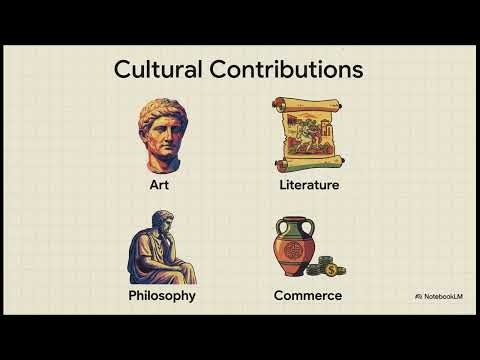
The enduring legacy of Roman literature is a testament to the power and influence of classical culture. The works of Roman authors continue to be studied and admired today, offering valuable insights into the culture and society of ancient Rome. The influence of Roman literature can be seen in many areas, including Western philosophy, Western art, and Western literature. The study of Roman literature also provides a unique perspective on the development of Western civilization, highlighting the contributions of ancient Rome to modern society.
📚 The Influence of Roman Literature on Western Culture
The influence of Roman literature on Western culture is profound and far-reaching. The works of Roman authors, such as Cicero and Virgil, have shaped the development of Western philosophy and Western literature. The study of Roman literature also provides a unique perspective on the development of Western art and Western architecture, highlighting the contributions of ancient Rome to modern society. The legacy of Roman literature can be seen in many areas, including education, politics, and law.
👥 Key Figures in Roman Literature
The key figures in Roman literature are numerous and diverse, including authors like Cicero, Virgil, and Ovid. These authors made significant contributions to the development of Latin poetry and Roman prose, shaping the course of Western literature. Other notable figures, such as Horace and Juvenal, also played important roles in the development of Roman literature, exploring themes like love, nature, and politics. The study of these authors and their works provides a unique perspective on the culture and society of ancient Rome.
📊 The Impact of Roman Literature on Modern Society
The impact of Roman literature on modern society is significant and far-reaching. The works of Roman authors continue to be studied and admired today, offering valuable insights into the culture and society of ancient Rome. The influence of Roman literature can be seen in many areas, including education, politics, and law. The study of Roman literature also provides a unique perspective on the development of Western civilization, highlighting the contributions of ancient Rome to modern society. The legacy of Roman literature continues to shape Western culture, influencing authors, artists, and thinkers to this day.
🔍 The Preservation and Study of Roman Literature
The preservation and study of Roman literature are essential for understanding the culture and society of ancient Rome. The works of Roman authors, such as Cicero and Virgil, are preserved in manuscripts and printed editions, providing a unique window into the past. The study of Roman literature also involves the analysis of Roman archaeology and Roman history, highlighting the contributions of ancient Rome to modern society. The legacy of Roman literature continues to shape Western culture, influencing authors, artists, and thinkers to this day.
📈 The Future of Roman Literature Studies
The future of Roman literature studies is bright and exciting, with new discoveries and advancements in technology opening up new avenues for research and exploration. The study of Roman literature continues to evolve, with scholars exploring new themes and topics, such as Roman gender studies and Roman postcolonial studies. The legacy of Roman literature will continue to shape Western culture, influencing authors, artists, and thinkers for generations to come. As we look to the future, it is essential to preserve and study Roman literature, ensuring that its legacy continues to inspire and educate us.
Key Facts
- Year
- 100
- Origin
- Ancient Rome
- Category
- Classical Literature
- Type
- Literary Movement
Frequently Asked Questions
What is the significance of Roman literature?
Roman literature is significant because it provides a unique window into the culture and society of ancient Rome. The works of Roman authors, such as Cicero and Virgil, continue to be studied and admired today, offering valuable insights into the development of Western culture. The legacy of Roman literature can be seen in many areas, including education, politics, and law.
Who are some notable Roman authors?
Some notable Roman authors include Cicero, Virgil, Ovid, Horace, and Juvenal. These authors made significant contributions to the development of Latin poetry and Roman prose, shaping the course of Western literature.
What is the golden age of Latin literature?
The golden age of Latin literature, which spanned from 70 BC to 14 AD, is widely regarded as the most glorious period in the history of Roman literature. This era saw the emergence of some of the most celebrated Roman authors, including Virgil, Horace, and Ovid. The works of these authors, such as Virgil's Aeneid and Horace's Odes, are still studied and admired today for their literary excellence and historical significance.
How has Roman literature influenced Western culture?
Roman literature has had a profound impact on Western culture, shaping the development of Western philosophy, Western art, and Western literature. The works of Roman authors, such as Cicero and Virgil, continue to be studied and admired today, offering valuable insights into the culture and society of ancient Rome. The legacy of Roman literature can be seen in many areas, including education, politics, and law.
What is the significance of preserving and studying Roman literature?
The preservation and study of Roman literature are essential for understanding the culture and society of ancient Rome. The works of Roman authors, such as Cicero and Virgil, are preserved in manuscripts and printed editions, providing a unique window into the past. The study of Roman literature also involves the analysis of Roman archaeology and Roman history, highlighting the contributions of ancient Rome to modern society.
What is the future of Roman literature studies?
The future of Roman literature studies is bright and exciting, with new discoveries and advancements in technology opening up new avenues for research and exploration. The study of Roman literature continues to evolve, with scholars exploring new themes and topics, such as Roman gender studies and Roman postcolonial studies. The legacy of Roman literature will continue to shape Western culture, influencing authors, artists, and thinkers for generations to come.
How can I get started with studying Roman literature?
To get started with studying Roman literature, it is essential to have a basic understanding of Latin language and Roman history. You can begin by reading the works of famous Roman authors, such as Cicero and Virgil, and exploring the various genres of Roman literature, including Latin poetry and Roman prose. You can also consult with scholars and experts in the field, who can provide valuable insights and guidance.