
Contents
- 🏙️ Introduction to Samarkand
- 📆 History of Samarkand
- 🏯 Architecture and Landmarks
- 🕊️ Cultural Significance
- 📚 Education and Research
- 👥 Demographics and Population
- 📊 Economy and Trade
- 🚂 Transportation and Infrastructure
- 🤝 International Relations
- 📸 Tourism and Travel
- 📚 Conclusion and Future Prospects
- Frequently Asked Questions
- Related Topics
Overview
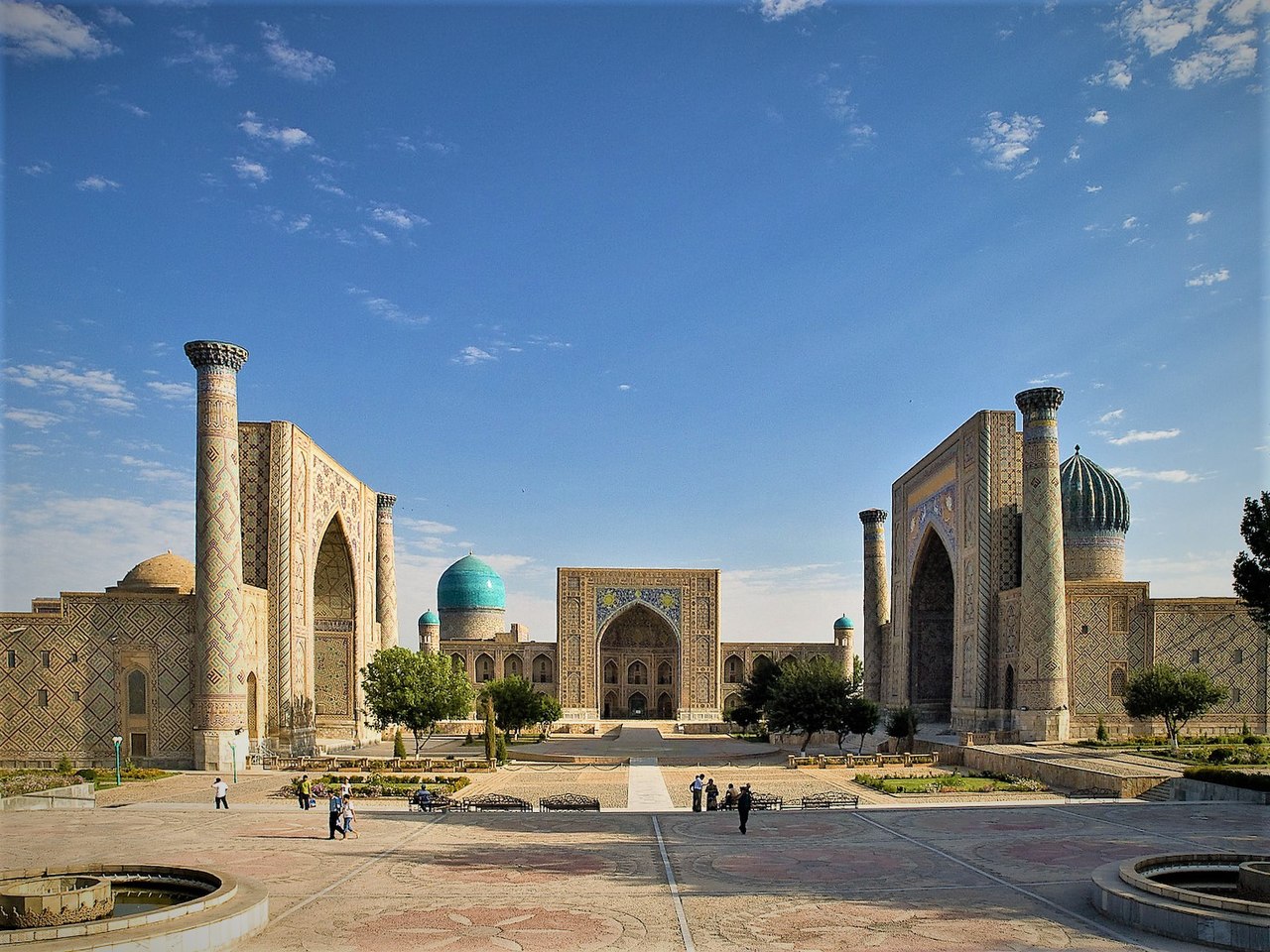
Samarkand, with a vibe score of 85, is a city in Uzbekistan steeped in history, having been a major stop on the Silk Road. Founded in the 7th century BC, it has been ruled by various empires, including the Persians, Arabs, Mongols, and Russians, each leaving their mark on the city's architecture, cuisine, and culture. The city is home to numerous iconic landmarks, such as the Registan, a grand square surrounded by madrasahs, and the Gur-e-Amir mausoleum, the final resting place of Timur (Tamerlane). Today, Samarkand is a UNESCO World Heritage Site, attracting tourists and scholars alike. However, it also faces challenges related to preservation and the impact of tourism on its historical sites. As Uzbekistan continues to open up to the world, Samarkand is poised to become a significant cultural and economic hub in the region, with its influence extending beyond Central Asia. The city's future development will depend on balancing preservation with modernization, ensuring that its rich history is protected while embracing the opportunities of the 21st century.
🏙️ Introduction to Samarkand
Samarkand, a city in southeastern Uzbekistan, is among the oldest continuously inhabited cities in Central Asia. With a rich history dating back to the 7th century, Samarkand has been a major center of culture and trade, attracting visitors and scholars from around the world. The city is home to numerous historical landmarks, including the Registan Square, a stunning example of Islamic architecture. As the capital of the Samarkand Region, Samarkand plays a significant role in the country's economy and politics. The city's strategic location has made it an important stop on the Silk Road, a network of ancient trade routes that connected Europe and Asia.
📆 History of Samarkand
The history of Samarkand is a long and complex one, with various empires and dynasties vying for control of the city. The city was founded in the 7th century and was later conquered by the Mongols in the 13th century. Under the rule of Timur, also known as Tamerlane, Samarkand became a major center of culture and learning, attracting scholars and artists from across the Islamic world. The city's architecture and art reflect this rich cultural heritage, with many examples of Islamic architecture and Persian art. The Bibi-Khanym Mosque, one of the largest mosques in the world, is a notable example of the city's architectural achievements.
🏯 Architecture and Landmarks
Samarkand is home to many impressive landmarks, including the Gur-e-Amir Mausoleum, the final resting place of Timur and his descendants. The city's architecture is characterized by the use of intricate tile work, ornate domes, and grand arches. The Shah-i-Zinda Necropolis, a street of tombs, is another notable example of the city's architectural heritage. Visitors to Samarkand can also explore the Afrosiyob Museum, which houses a collection of artifacts and exhibits on the city's history and culture. The museum is located near the Registan Square, a popular spot for tourists and locals alike.
🕊️ Cultural Significance
Samarkand has played a significant role in the cultural and intellectual development of the region. The city has been a center of learning and scholarship, with many famous scholars and thinkers having lived and worked there. The city is home to the University of Samarkand, one of the oldest universities in the world. The university has a long history of academic excellence, with many notable alumni, including Ibn Sina, also known as Avicenna. The city's cultural significance extends beyond its academic institutions, with many festivals and celebrations taking place throughout the year, including the Sharq Taronalari Music Festival.
📚 Education and Research
Education and research are highly valued in Samarkand, with many institutions and organizations dedicated to promoting learning and intellectual inquiry. The city is home to several universities and research centers, including the Institute of Mathematics and the Institute of Physics. The city's academic community is active and vibrant, with many conferences and seminars taking place throughout the year. Visitors to Samarkand can also explore the city's many libraries and archives, including the National Library of Uzbekistan. The library is a valuable resource for scholars and researchers, with a vast collection of books, manuscripts, and other materials.
👥 Demographics and Population
As of 2021, Samarkand has a population of 551,700 inhabitants, making it the third-largest city in Uzbekistan. The city is a district-level city, which includes the urban-type settlements Kimyogarlar, Farhod, and Khishrav. The city's population is diverse, with many different ethnic and linguistic groups represented. The city's demographics are influenced by its strategic location, with many people moving to Samarkand for work or education. The city's population is also influenced by its cultural and historical significance, with many people visiting or living in Samarkand to experience its rich cultural heritage.
📊 Economy and Trade
Samarkand has a diverse economy, with many different industries and sectors represented. The city is an important center of trade and commerce, with many markets and bazaars, including the Siab Bazaar. The city's economy is also driven by its rich cultural heritage, with many tourists visiting the city each year. The city's strategic location has made it an important stop on the Silk Road, a network of ancient trade routes that connected Europe and Asia. The city's economy is also influenced by its natural resources, including cotton, silk, and other agricultural products.
🚂 Transportation and Infrastructure
Samarkand has a well-developed transportation infrastructure, with many different modes of transport available. The city is served by the Samarkand International Airport, which offers flights to many different destinations. The city is also connected to the rest of Uzbekistan by a network of roads and highways, including the M37 Highway. The city's transportation infrastructure is also influenced by its cultural and historical significance, with many historic buildings and landmarks, including the Registan Square, being protected and preserved.
🤝 International Relations
Samarkand has a long history of international relations, with many different countries and cultures having influenced the city's development. The city has been an important center of trade and commerce, with many different goods and products being traded along the Silk Road. The city's international relations are also influenced by its cultural and historical significance, with many different countries and organizations having a presence in the city. The city is a member of the Organization of World Heritage Cities, a global network of cities that are committed to preserving and promoting their cultural heritage.
📸 Tourism and Travel
Samarkand is a popular tourist destination, with many different attractions and activities available. Visitors to the city can explore the city's many historical landmarks, including the Gur-e-Amir Mausoleum and the Bibi-Khanym Mosque. The city is also home to many different festivals and celebrations, including the Sharq Taronalari Music Festival. The city's tourism industry is driven by its rich cultural heritage, with many visitors coming to experience the city's unique history and culture. The city's tourism infrastructure is well-developed, with many different hotels, restaurants, and other amenities available.
📚 Conclusion and Future Prospects
In conclusion, Samarkand is a city with a rich history and culture, and a significant role to play in the region's economy and politics. The city's cultural significance extends beyond its academic institutions, with many festivals and celebrations taking place throughout the year. As the city looks to the future, it is likely that Samarkand will continue to be an important center of culture and trade, attracting visitors and scholars from around the world. The city's future prospects are bright, with many different opportunities and challenges on the horizon. One thing is certain, however: Samarkand will remain a vibrant and dynamic city, full of life and energy.
Key Facts
- Year
- 1370
- Origin
- Uzbekistan
- Category
- History and Culture
- Type
- Geographic Location
Frequently Asked Questions
What is the population of Samarkand?
As of 2021, the population of Samarkand is 551,700 inhabitants, making it the third-largest city in Uzbekistan. The city is a district-level city, which includes the urban-type settlements Kimyogarlar, Farhod, and Khishrav. The city's population is diverse, with many different ethnic and linguistic groups represented.
What is the significance of Samarkand in Uzbekistan?
Samarkand is the capital of the Samarkand Region and a district-level city, that includes the urban-type settlements Kimyogarlar, Farhod, and Khishrav. The city has a rich history and culture, and a significant role to play in the region's economy and politics. The city is an important center of trade and commerce, with many markets and bazaars, including the Siab Bazaar.
What are the main attractions in Samarkand?
The main attractions in Samarkand include the Registan Square, the Gur-e-Amir Mausoleum, the Bibi-Khanym Mosque, and the Shah-i-Zinda Necropolis. The city is also home to many different festivals and celebrations, including the Sharq Taronalari Music Festival. Visitors to the city can explore the city's many historical landmarks, museums, and cultural institutions.
How do I get to Samarkand?
Samarkand is served by the Samarkand International Airport, which offers flights to many different destinations. The city is also connected to the rest of Uzbekistan by a network of roads and highways, including the M37 Highway. Visitors to the city can also take a taxi or bus from other cities in Uzbekistan.
What is the best time to visit Samarkand?
The best time to visit Samarkand is in the spring or autumn, when the weather is mild and pleasant. The city can be very hot in the summer, and cold in the winter, so it is best to avoid visiting during these times. The city's festivals and celebrations take place throughout the year, so visitors can plan their trip around these events.
What is the currency used in Samarkand?
The currency used in Samarkand is the Uzbekistan som. Visitors to the city can exchange their money at a bank or currency exchange office, or use an ATM to withdraw cash. Many businesses in the city also accept credit cards, including Visa and Mastercard.
Is Samarkand a safe city to visit?
Samarkand is generally a safe city to visit, with low levels of crime and violence. However, as with any city, visitors should take precautions to protect themselves and their belongings. Visitors should be aware of their surroundings, especially in crowded areas, and avoid carrying large amounts of cash or valuables.