
Contents
- 🌎 Introduction to SDG Summit
- 📊 SDG Progress and Challenges
- 🌈 SDG 1: No Poverty - A Critical Component
- 🏙️ SDG 11: Sustainable Cities and Communities
- 📚 Education for Sustainable Development
- 💡 Innovation and Technology for SDGs
- 🌟 Partnerships for the Goals
- 📊 Financing the SDGs
- 🌎 Implementing the SDGs at the National Level
- 👥 Civil Society Engagement and Participation
- 📝 Conclusion and Future Directions
- Frequently Asked Questions
- Related Topics
Overview
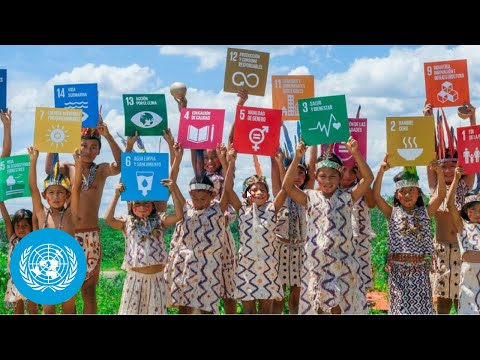
The SDG Summit, held annually, brings together world leaders, policymakers, and stakeholders to discuss and accelerate progress towards achieving the 17 Sustainable Development Goals (SDGs) adopted by the United Nations in 2015. The SDGs address a wide range of global challenges, including poverty, inequality, climate change, and access to education and healthcare. With a deadline of 2030 to achieve these goals, the summit provides a critical platform for countries to share their progress, identify areas for improvement, and collaborate on solutions. According to the UN, the SDGs have the potential to unlock $12 trillion in market opportunities and create 380 million new jobs by 2030. However, despite progress, the world is still off-track to meet many of the SDG targets, and the summit aims to mobilize action and investment to get back on track. As the world grapples with the COVID-19 pandemic, climate change, and other global crises, the SDG Summit has become an increasingly important forum for addressing these interconnected challenges and ensuring a sustainable future for all.
🌎 Introduction to SDG Summit
The SDG Summit is a critical gathering of world leaders to accelerate progress towards achieving the Sustainable Development Goals (SDGs) by 2030. The SDGs, also known as the Global Goals, are a universal call to action to end poverty, protect the planet, and ensure that all people enjoy peace and prosperity. The summit provides a platform for countries to share their experiences, challenges, and successes in implementing the SDGs, and to identify areas for cooperation and support. For more information on the SDGs, visit the Sustainable Development Goals page. The summit is also an opportunity to engage with civil society, the private sector, and other stakeholders to mobilize support for the SDGs. Learn more about Civil Society Engagement and its role in achieving the SDGs.
📊 SDG Progress and Challenges
Despite progress made in some areas, the world is still far from achieving the SDGs. According to the SDG Report, many countries are facing significant challenges in implementing the SDGs, including lack of funding, inadequate infrastructure, and insufficient capacity. The report highlights the need for increased investment in the SDGs, particularly in areas such as Education for Sustainable Development and Health and Well-being. To address these challenges, the SDG Summit provides a platform for countries to share their experiences and best practices in implementing the SDGs. For example, countries can learn from each other's experiences in achieving SDG 1: No Poverty and SDG 2: Zero Hunger.
🌈 SDG 1: No Poverty - A Critical Component
SDG 1: No Poverty is a critical component of the SDGs, as it aims to eradicate poverty in all its forms everywhere. According to the World Bank, poverty remains a significant challenge in many parts of the world, with an estimated 736 million people living in extreme poverty. To achieve SDG 1, countries need to implement policies and programs that address the root causes of poverty, such as lack of access to education, healthcare, and economic opportunities. Learn more about Poverty Reduction Strategies and how they can be implemented to achieve SDG 1. The SDG Summit provides an opportunity for countries to share their experiences and best practices in reducing poverty and promoting sustainable development. Visit the SDG 1: No Poverty page for more information.
🏙️ SDG 11: Sustainable Cities and Communities
SDG 11: Sustainable Cities and Communities is another critical component of the SDGs, as it aims to make cities and human settlements inclusive, safe, resilient, and sustainable. According to the UN-Habitat, the world's urban population is projected to reach 6.5 billion by 2050, putting pressure on cities to provide adequate housing, transportation, and services. To achieve SDG 11, countries need to implement policies and programs that promote sustainable urban planning, affordable housing, and access to basic services. Learn more about Sustainable Cities and Communities and how they can be achieved through innovative solutions. The SDG Summit provides an opportunity for countries to share their experiences and best practices in promoting sustainable urban development. Visit the SDG 11: Sustainable Cities and Communities page for more information.
📚 Education for Sustainable Development
Education for Sustainable Development is a critical component of the SDGs, as it aims to ensure that all people have access to quality education and lifelong learning opportunities. According to the UNESCO, education is key to achieving all the SDGs, as it promotes critical thinking, problem-solving, and innovation. To achieve the SDGs, countries need to invest in education and promote literacy, numeracy, and skills development. Learn more about Education for Sustainable Development and how it can be achieved through innovative solutions. The SDG Summit provides an opportunity for countries to share their experiences and best practices in promoting education for sustainable development. Visit the SDG 4: Quality Education page for more information.
💡 Innovation and Technology for SDGs
Innovation and Technology are critical components of the SDGs, as they can help accelerate progress towards achieving the SDGs. According to the ITU, technology can help promote sustainable development by providing access to information, improving healthcare, and enhancing education. To achieve the SDGs, countries need to invest in innovation and technology, and promote the use of digital solutions to address development challenges. Learn more about Innovation and Technology for SDGs and how they can be achieved through innovative solutions. The SDG Summit provides an opportunity for countries to share their experiences and best practices in promoting innovation and technology for sustainable development. Visit the SDG 9: Industry, Innovation and Infrastructure page for more information.
🌟 Partnerships for the Goals
Partnerships for the Goals are critical to achieving the SDGs, as they provide a platform for countries to work together to address common challenges. According to the UNDP, partnerships can help mobilize resources, expertise, and knowledge to support the implementation of the SDGs. To achieve the SDGs, countries need to promote partnerships between governments, civil society, the private sector, and other stakeholders. Learn more about Partnerships for the Goals and how they can be achieved through collaborative efforts. The SDG Summit provides an opportunity for countries to share their experiences and best practices in promoting partnerships for sustainable development. Visit the SDG 17: Partnerships for the Goals page for more information.
📊 Financing the SDGs
Financing the SDGs is a critical component of achieving the SDGs, as it requires significant investment in sustainable development. According to the IMF, the world needs to invest trillions of dollars in sustainable development to achieve the SDGs. To achieve the SDGs, countries need to mobilize domestic and international resources, and promote innovative financing solutions. Learn more about Financing the SDGs and how it can be achieved through innovative solutions. The SDG Summit provides an opportunity for countries to share their experiences and best practices in financing sustainable development. Visit the SDG Finance page for more information.
🌎 Implementing the SDGs at the National Level
Implementing the SDGs at the National Level is critical to achieving the SDGs, as it requires countries to translate the global goals into national policies and programs. According to the UNDESA, countries need to establish national mechanisms to coordinate the implementation of the SDGs, and promote stakeholder engagement and participation. To achieve the SDGs, countries need to invest in capacity building, and promote the use of data and statistics to monitor progress. Learn more about Implementing the SDGs at the National Level and how it can be achieved through national efforts. The SDG Summit provides an opportunity for countries to share their experiences and best practices in implementing the SDGs at the national level. Visit the SDG Implementation page for more information.
👥 Civil Society Engagement and Participation
Civil Society Engagement and Participation are critical to achieving the SDGs, as they provide a platform for stakeholders to contribute to the implementation of the SDGs. According to the Civil Society, civil society organizations can help promote awareness, mobilize resources, and support the implementation of the SDGs. To achieve the SDGs, countries need to promote civil society engagement and participation, and establish mechanisms for stakeholder engagement and feedback. Learn more about Civil Society Engagement and Participation and how it can be achieved through collaborative efforts. The SDG Summit provides an opportunity for countries to share their experiences and best practices in promoting civil society engagement and participation. Visit the SDG Participation page for more information.
📝 Conclusion and Future Directions
In conclusion, the SDG Summit provides a critical platform for countries to accelerate progress towards achieving the SDGs. To achieve the SDGs, countries need to invest in sustainable development, promote partnerships, and mobilize resources. The summit provides an opportunity for countries to share their experiences and best practices in implementing the SDGs, and to identify areas for cooperation and support. Learn more about the SDG Summit and how it can help achieve the SDGs. Visit the Sustainable Development Goals page for more information on the SDGs and how they can be achieved through collective efforts.
Key Facts
- Year
- 2015
- Origin
- United Nations
- Category
- Global Development
- Type
- Global Event
Frequently Asked Questions
What are the SDGs?
The SDGs, also known as the Global Goals, are a universal call to action to end poverty, protect the planet, and ensure that all people enjoy peace and prosperity. The SDGs are a set of 17 goals that aim to achieve a sustainable and equitable world by 2030. Learn more about the Sustainable Development Goals and how they can be achieved through collective efforts. Visit the SDG 1: No Poverty page for more information on the first goal.
Why are the SDGs important?
The SDGs are important because they provide a framework for achieving a sustainable and equitable world. The SDGs address some of the most pressing challenges facing the world today, including poverty, inequality, climate change, and access to education and healthcare. Learn more about the SDG 4: Quality Education and how it can be achieved through innovative solutions. The SDGs provide a platform for countries to work together to address common challenges and promote sustainable development.
How can I get involved in the SDGs?
There are many ways to get involved in the SDGs, including volunteering, donating to organizations that support the SDGs, and advocating for policies and programs that promote sustainable development. Learn more about Civil Society Engagement and how it can help achieve the SDGs. You can also participate in the SDG Summit and share your experiences and best practices in implementing the SDGs.
What is the role of civil society in achieving the SDGs?
Civil society plays a critical role in achieving the SDGs, as it provides a platform for stakeholders to contribute to the implementation of the SDGs. Civil society organizations can help promote awareness, mobilize resources, and support the implementation of the SDGs. Learn more about Civil Society Engagement and Participation and how it can be achieved through collaborative efforts. Visit the SDG Participation page for more information.
How can I learn more about the SDGs?
There are many resources available to learn more about the SDGs, including the Sustainable Development Goals website, the United Nations website, and the SDG Summit website. You can also follow the SDGs on social media and participate in online forums and discussions. Learn more about the Education for Sustainable Development and how it can help achieve the SDGs.
What is the SDG Summit?
The SDG Summit is a critical gathering of world leaders to accelerate progress towards achieving the SDGs. The summit provides a platform for countries to share their experiences, challenges, and successes in implementing the SDGs, and to identify areas for cooperation and support. Learn more about the SDG Summit and how it can help achieve the SDGs. Visit the Sustainable Development Goals page for more information on the SDGs and how they can be achieved through collective efforts.
How can I participate in the SDG Summit?
There are many ways to participate in the SDG Summit, including attending the summit, participating in online forums and discussions, and sharing your experiences and best practices in implementing the SDGs. Learn more about the SDG Participation and how it can be achieved through collaborative efforts. You can also follow the SDG Summit on social media and participate in online discussions.