
Contents
- 🌊 Introduction to Seawalls
- 🏗️ History of Seawall Construction
- 🌴 Coastal Processes and Seawall Design
- 🚧 Construction Materials and Techniques
- 🌊 Types of Seawalls and Their Applications
- 🌴 Environmental Impact of Seawalls
- 🌊 Case Studies: Successful Seawall Implementations
- 🌴 Challenges and Limitations of Seawalls
- 🌊 Innovative Solutions for Coastal Protection
- 🌴 Seawalls and Climate Change
- 🌊 Economic and Social Implications of Seawalls
- 🌴 Future of Seawall Design and Construction
- Frequently Asked Questions
- Related Topics
Overview
Seawalls have been a crucial component of coastal defense for centuries, with the earliest recorded structures dating back to ancient civilizations such as the Romans and the Chinese. Today, seawalls are a ubiquitous feature of coastal landscapes around the world, from the iconic seawall in Galveston, Texas, to the extensive coastal defenses in the Netherlands. However, the construction and maintenance of seawalls are often contentious issues, with debates raging over their effectiveness, environmental impact, and economic viability. According to a study by the National Oceanic and Atmospheric Administration (NOAA), the United States alone has over 3,000 miles of seawalls, with an estimated annual maintenance cost of $1.5 billion. As sea levels continue to rise and coastal erosion accelerates, the importance of seawalls will only continue to grow, with some estimates suggesting that global spending on coastal protection could reach $100 billion by 2050. The future of seawalls will be shaped by advances in materials science, innovative designs, and shifting societal attitudes towards the role of human intervention in shaping the natural environment.
🌊 Introduction to Seawalls
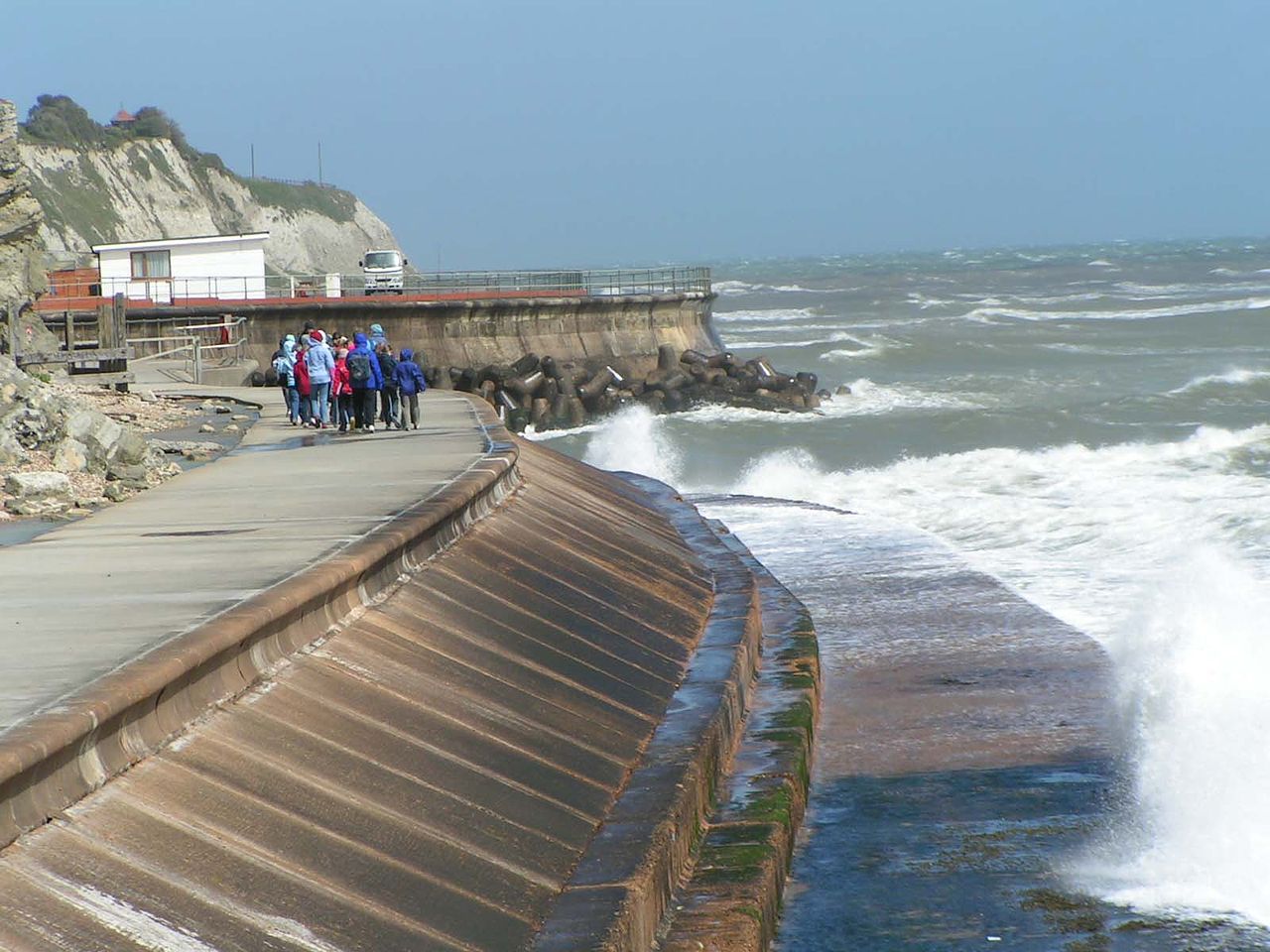
Seawalls are a crucial component of coastal defense systems, protecting human settlements, conservation areas, and recreational spaces from the harsh effects of the sea. As discussed in Coastal Engineering, seawalls are designed to withstand the constant pounding of waves, tides, and tsunamis. However, as a static feature, seawalls often conflict with the dynamic nature of the coast, disrupting the natural exchange of sediment between land and sea. This can have significant implications for Beach Erosion and Coastal Ecology. The purpose of a seawall is to safeguard areas of human habitation, conservation, and leisure activities from the action of tides, waves, or tsunamis, as outlined in Seawall Design principles.
🏗️ History of Seawall Construction
The history of seawall construction dates back to ancient civilizations, with evidence of seawall-like structures found in Ancient Civilizations such as the Romans and Greeks. These early seawalls were often simple structures made of stone or wood, designed to protect harbors and coastal settlements from the sea. As Coastal Engineering evolved, so did the design and construction of seawalls, with modern seawalls incorporating advanced materials and techniques, such as Reinforced Concrete and Steel Sheet Piling. The development of seawalls has been influenced by various factors, including Climate Change and Urbanization.
🌴 Coastal Processes and Seawall Design
Coastal processes, such as wave action, tides, and sediment transport, play a crucial role in shaping the design of seawalls. As discussed in Coastal Processes, the dynamic nature of the coast requires seawalls to be adaptable and resilient. Seawall design must take into account factors such as Wave Height, Tidal Range, and Sediment Transport, as well as the potential impacts of Sea Level Rise and Storm Surges. The design of seawalls is also influenced by Coastal Geology and Oceanography.
🚧 Construction Materials and Techniques
The construction of seawalls requires a range of materials and techniques, including Concrete, Steel, and Rock Armoring. The choice of material depends on factors such as the severity of the coastal environment, the design life of the seawall, and the availability of materials. As discussed in Construction Technology, advances in materials and techniques have improved the durability and effectiveness of seawalls, while also reducing their environmental impact. The use of Sustainable Materials and Green Infrastructure is becoming increasingly important in seawall construction.
🌊 Types of Seawalls and Their Applications
There are several types of seawalls, each with its own unique characteristics and applications. As outlined in Seawall Types, these include Vertical Seawalls, Curved Seawalls, and Composite Seawalls. The choice of seawall type depends on factors such as the coastal environment, the level of protection required, and the available budget. Seawalls can be used to protect a range of coastal environments, including Beaches, Estuaries, and Mangroves.
🌴 Environmental Impact of Seawalls
Seawalls can have significant environmental impacts, both positive and negative. As discussed in Environmental Impact, seawalls can disrupt the natural exchange of sediment between land and sea, leading to Beach Erosion and Coastal Ecology impacts. However, seawalls can also provide habitat for marine species and protect coastal ecosystems from the impacts of Climate Change and Human Activities. The environmental impact of seawalls is influenced by factors such as Water Quality and Biodiversity.
🌊 Case Studies: Successful Seawall Implementations
There are many examples of successful seawall implementations around the world, including the Seawall in Hong Kong and the Seawall in Rotterdam. These case studies demonstrate the effectiveness of seawalls in protecting coastal communities and ecosystems from the impacts of the sea. As discussed in Coastal Protection, seawalls can be used in combination with other coastal defense measures, such as Beach Nourishment and Dunes, to provide comprehensive protection for coastal environments. The success of seawalls is influenced by factors such as Community Engagement and Stakeholder Participation.
🌴 Challenges and Limitations of Seawalls
Despite their importance, seawalls also have several challenges and limitations. As discussed in Seawall Limitations, seawalls can be expensive to construct and maintain, and may not be effective in all coastal environments. Additionally, seawalls can have negative environmental impacts, such as disrupting the natural exchange of sediment between land and sea. The limitations of seawalls are influenced by factors such as Coastal Geology and Oceanography.
🌊 Innovative Solutions for Coastal Protection
Innovative solutions are being developed to address the challenges and limitations of seawalls. As outlined in Innovative Solutions, these include the use of Adaptive Management approaches, which allow seawalls to be adjusted and modified in response to changing coastal conditions. Additionally, new materials and technologies, such as Fiber Reinforced Polymers and Modular Construction, are being developed to improve the durability and effectiveness of seawalls. The development of innovative solutions is influenced by factors such as Research and Development and [[industry_partnerships|Industry Partnerships].
🌴 Seawalls and Climate Change
Seawalls play a critical role in protecting coastal communities and ecosystems from the impacts of Climate Change. As discussed in Climate Change Impacts, sea level rise, increased storm intensity, and changes in coastal processes will all require seawalls to be adapted and modified to provide effective protection. The impact of climate change on seawalls is influenced by factors such as Sea Level Rise and Storm Surges.
🌴 Future of Seawall Design and Construction
The future of seawall design and construction will be shaped by a range of factors, including advances in materials and technologies, changes in coastal processes, and the impacts of Climate Change. As discussed in Future of Seawalls, seawalls will need to be adapted and modified to provide effective protection for coastal communities and ecosystems, while also minimizing their environmental impacts. The future of seawalls is influenced by factors such as Research and Development and [[industry_partnerships|Industry Partnerships].
Key Facts
- Year
- 2023
- Origin
- Ancient Civilizations
- Category
- Environmental Engineering
- Type
- Infrastructure
Frequently Asked Questions
What is the purpose of a seawall?
The purpose of a seawall is to protect areas of human habitation, conservation, and leisure activities from the action of tides, waves, or tsunamis. As discussed in Seawall Design, seawalls are designed to withstand the constant pounding of waves, tides, and tsunamis, while also minimizing their environmental impacts. The design of seawalls is influenced by factors such as Coastal Geology and Oceanography.
What are the different types of seawalls?
There are several types of seawalls, each with its own unique characteristics and applications. As outlined in Seawall Types, these include Vertical Seawalls, Curved Seawalls, and Composite Seawalls. The choice of seawall type depends on factors such as the coastal environment, the level of protection required, and the available budget. Seawalls can be used to protect a range of coastal environments, including Beaches, Estuaries, and Mangroves.
What are the environmental impacts of seawalls?
Seawalls can have significant environmental impacts, both positive and negative. As discussed in Environmental Impact, seawalls can disrupt the natural exchange of sediment between land and sea, leading to Beach Erosion and Coastal Ecology impacts. However, seawalls can also provide habitat for marine species and protect coastal ecosystems from the impacts of Climate Change and Human Activities. The environmental impact of seawalls is influenced by factors such as Water Quality and Biodiversity.
How do seawalls affect coastal ecosystems?
Seawalls can have both positive and negative impacts on coastal ecosystems. As discussed in Coastal Ecology, seawalls can provide habitat for marine species and protect coastal ecosystems from the impacts of Climate Change and Human Activities. However, seawalls can also disrupt the natural exchange of sediment between land and sea, leading to Beach Erosion and Coastal Ecology impacts. The impact of seawalls on coastal ecosystems is influenced by factors such as Water Quality and Biodiversity.
What is the future of seawall design and construction?
The future of seawall design and construction will be shaped by a range of factors, including advances in materials and technologies, changes in coastal processes, and the impacts of Climate Change. As discussed in Future of Seawalls, seawalls will need to be adapted and modified to provide effective protection for coastal communities and ecosystems, while also minimizing their environmental impacts. The future of seawalls is influenced by factors such as Research and Development and [[industry_partnerships|Industry Partnerships].
How do seawalls impact human activities?
Seawalls can have significant impacts on human activities, including Recreation, Fishing, and Tourism. As discussed in Human Activities, seawalls can provide protection for coastal infrastructure, such as Ports and Marinas, and can also support the livelihoods of people living and working in coastal communities. However, seawalls can also have negative social impacts, such as disrupting the cultural and recreational activities of coastal communities. The impact of seawalls on human activities is influenced by factors such as Community Development and [[stakeholder_engagement|Stakeholder Engagement].
What are the economic implications of seawalls?
The construction and maintenance of seawalls have significant economic implications. As outlined in Economic Implications, seawalls can provide protection for coastal infrastructure, such as Ports and Tourism facilities, and can also support the livelihoods of people living and working in coastal communities. However, seawalls can also have negative economic impacts, such as disrupting the local economy and affecting the livelihoods of people dependent on coastal resources. The economic implications of seawalls are influenced by factors such as Community Development and [[stakeholder_engagement|Stakeholder Engagement].