
Contents
- 🎥 Introduction to the Silent Era
- 📽️ The Rise of Silent Films
- 🎬 Pioneers of the Silent Screen
- 👥 The Role of Intertitles
- 🌎 Global Influence of Silent Films
- 🤝 Collaboration and Innovation
- 📊 The Economics of Silent Film Production
- 👀 The Art of Silent Film Storytelling
- 🎭 The Legacy of Silent Films
- 📚 Preservation and Restoration Efforts
- 👍 The Enduring Appeal of Silent Films
- Frequently Asked Questions
- Related Topics
Overview
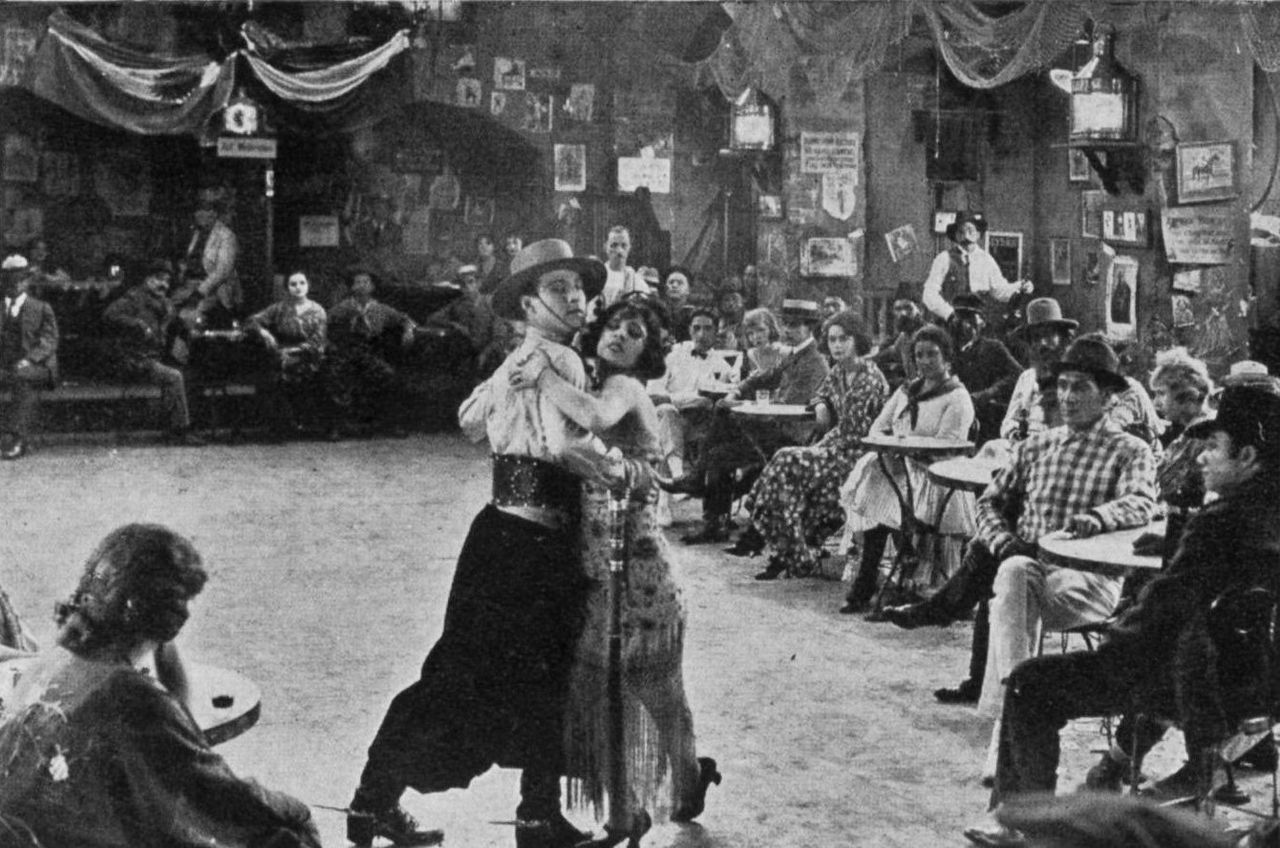
The silent era, spanning from the 1890s to the late 1920s, was a transformative period in cinema history, marked by the emergence of film as a distinct art form. During this time, pioneers like Georges Méliès, Charlie Chaplin, and Buster Keaton pushed the boundaries of storytelling, experimenting with techniques such as montage, cross-cutting, and special effects. The silent era also saw the rise of Hollywood as a major film production center, with studios like Paramount and Universal producing hundreds of films. Despite the lack of synchronized sound, silent films were able to convey complex emotions and narratives, often relying on title cards, live music, and the physicality of actors. The controversy surrounding the transition to sound, known as the 'talkies,' marked the end of the silent era, but its influence can still be seen in contemporary cinema. With a vibe score of 8, the silent era remains a fascinating topic, with a rich cultural resonance that continues to inspire filmmakers and audiences alike. The era's influence flows can be seen in the work of later filmmakers, such as Martin Scorsese and Quentin Tarantino, who have paid homage to the silent era in their own films.
🎥 Introduction to the Silent Era
The Silent Era, spanning from the late 1800s to the late 1920s, was a pivotal chapter in cinema history. During this time, filmmakers relied on visual storytelling, using techniques such as camera angles and editing to convey narrative and emotion. The lack of synchronized recorded sound led to the development of intertitles, which were used to provide context and dialogue. As the industry evolved, filmmakers like Charlie Chaplin and Buster Keaton became household names, known for their comedic genius and innovative storytelling. The Silent Era also saw the rise of film genres, including comedy, drama, and horror. The influence of silent films can still be seen in modern cinema, with many filmmakers paying homage to the pioneers of the silent screen.
📽️ The Rise of Silent Films
The rise of silent films was a gradual process, with early experimentations in the late 1800s. The first public screening of a motion picture took place in 1895, and by the early 1900s, silent films were being produced and exhibited globally. The introduction of the Nickelodeon in 1905 revolutionized the film industry, making it possible for people to watch movies in a dedicated theater. As the popularity of silent films grew, so did the number of film studios and production companies. The Silent Era saw the establishment of major film studios like Paramount Pictures and Universal Pictures, which would go on to shape the film industry for decades to come. The work of filmmakers like Georges Méliès and Edwin Porter also contributed to the growth of the industry.
🎬 Pioneers of the Silent Screen
Pioneers of the silent screen, such as D.W. Griffith and Cecil B. DeMille, played a crucial role in shaping the film industry. These filmmakers experimented with new techniques, such as cross-cutting and close-ups, and pushed the boundaries of storytelling. The work of these pioneers paved the way for future generations of filmmakers, including Alfred Hitchcock and Orson Welles. The influence of silent films can also be seen in the work of Martin Scorsese and Quentin Tarantino, who have both paid homage to the silent era in their films. The legacy of silent films continues to be felt, with many modern filmmakers drawing inspiration from the pioneers of the silent screen.
👥 The Role of Intertitles
The role of intertitles in silent films was crucial, as they provided context and dialogue for the audience. Intertitles were used to convey key plot elements, character backstory, and plot twists. The use of intertitles also allowed filmmakers to experiment with non-linear narrative structures and unreliable narrators. The development of intertitles also led to the creation of title design as a distinct art form. The work of Saul Bass and Milton Glaser in title design has been particularly influential, with their designs becoming iconic in modern cinema. The use of intertitles in silent films also paved the way for the development of subtitles and dubbing in modern films.
🌎 Global Influence of Silent Films
The global influence of silent films was significant, with films being produced and exhibited in countries around the world. The Silent Era saw the establishment of film industries in countries like Japan, France, and Germany. The influence of silent films can also be seen in the work of international filmmakers, such as Akira Kurosawa and Federico Fellini. The global reach of silent films was also facilitated by the establishment of film distribution companies, which made it possible for films to be exhibited in multiple countries. The legacy of silent films continues to be felt globally, with many modern filmmakers drawing inspiration from the pioneers of the silent screen.
🤝 Collaboration and Innovation
Collaboration and innovation were key factors in the success of the silent film industry. Filmmakers like Charlie Chaplin and Buster Keaton were not only actors and directors but also writers and producers. The collaboration between filmmakers, writers, and producers led to the development of new techniques and film styles. The introduction of new technologies, such as camera technologies and sound technologies, also facilitated innovation in the industry. The work of filmmakers like Stanley Kubrick and Steven Spielberg has been particularly influential in modern cinema, with their use of special effects and visual effects pushing the boundaries of storytelling.
📊 The Economics of Silent Film Production
The economics of silent film production were complex, with filmmakers facing challenges such as production costs and distribution deals. The establishment of film studios like Paramount Pictures and Universal Pictures helped to stabilize the industry, providing a framework for production and distribution. The introduction of the studio system also facilitated the production of films, with studios providing resources and support for filmmakers. The work of filmmakers like Orson Welles and Alfred Hitchcock has been particularly influential in modern cinema, with their use of low-budget filmmaking techniques and independent filmmaking models paving the way for future generations of filmmakers.
👀 The Art of Silent Film Storytelling
The art of silent film storytelling was unique, with filmmakers relying on visual elements to convey narrative and emotion. The use of camera angles, lighting techniques, and editing techniques created a distinct visual language. The development of film genres also facilitated storytelling, with genres like comedy and drama providing a framework for narrative. The work of filmmakers like Martin Scorsese and Quentin Tarantino has been particularly influential in modern cinema, with their use of visual storytelling techniques and non-linear narrative structures pushing the boundaries of storytelling.
🎭 The Legacy of Silent Films
The legacy of silent films is significant, with many modern filmmakers drawing inspiration from the pioneers of the silent screen. The influence of silent films can be seen in the work of filmmakers like Alfred Hitchcock and Orson Welles, who both got their start in the silent era. The legacy of silent films can also be seen in the work of modern filmmakers like Martin Scorsese and Quentin Tarantino, who have both paid homage to the silent era in their films. The preservation and restoration of silent films have also become important, with many film archives and museums working to preserve and restore classic silent films.
📚 Preservation and Restoration Efforts
Preservation and restoration efforts have been crucial in maintaining the legacy of silent films. Many film archives and museums, such as the Library of Congress and the British Film Institute, have worked to preserve and restore classic silent films. The use of digital restoration techniques has also facilitated the preservation of silent films, allowing for the creation of high-quality digital copies. The work of film preservationists like Martin Scorsese and Francis Ford Coppola has been particularly influential, with their efforts helping to raise awareness about the importance of film preservation.
👍 The Enduring Appeal of Silent Films
The enduring appeal of silent films lies in their unique blend of visual storytelling and emotional resonance. The lack of synchronized recorded sound allowed filmmakers to experiment with new techniques and film styles, creating a distinct visual language. The influence of silent films can still be seen in modern cinema, with many filmmakers drawing inspiration from the pioneers of the silent screen. The legacy of silent films continues to be felt, with many modern filmmakers paying homage to the silent era in their films. As technology continues to evolve, it will be interesting to see how silent films continue to influence the film industry.
Key Facts
- Year
- 1895
- Origin
- Paris, France
- Category
- Film History
- Type
- Historical Period
Frequently Asked Questions
What is a silent film?
A silent film is a film without synchronized recorded sound. Silent films convey narrative and emotion visually, using techniques such as camera angles and editing. Intertitles may be used to provide context and dialogue. The Silent Era, spanning from the late 1800s to the late 1920s, was a pivotal chapter in cinema history. Filmmakers like Charlie Chaplin and Buster Keaton became household names, known for their comedic genius and innovative storytelling.
Who were some of the pioneers of the silent screen?
Pioneers of the silent screen included filmmakers like D.W. Griffith, Cecil B. DeMille, and Charlie Chaplin. These filmmakers experimented with new techniques, such as cross-cutting and close-ups, and pushed the boundaries of storytelling. The work of these pioneers paved the way for future generations of filmmakers, including Alfred Hitchcock and Orson Welles.
What was the role of intertitles in silent films?
Intertitles played a crucial role in silent films, providing context and dialogue for the audience. Intertitles were used to convey key plot elements, character backstory, and plot twists. The use of intertitles also allowed filmmakers to experiment with non-linear narrative structures and unreliable narrators.
How did the silent film industry evolve over time?
The silent film industry evolved significantly over time, with the introduction of new technologies and techniques. The establishment of film studios like Paramount Pictures and Universal Pictures helped to stabilize the industry, providing a framework for production and distribution. The introduction of the studio system also facilitated the production of films, with studios providing resources and support for filmmakers.
What is the legacy of silent films?
The legacy of silent films is significant, with many modern filmmakers drawing inspiration from the pioneers of the silent screen. The influence of silent films can be seen in the work of filmmakers like Alfred Hitchcock and Orson Welles, who both got their start in the silent era. The legacy of silent films can also be seen in the work of modern filmmakers like Martin Scorsese and Quentin Tarantino, who have both paid homage to the silent era in their films.
Why are silent films still important today?
Silent films are still important today because they provide a unique window into the past, offering insights into the social, cultural, and historical context of the time. They also continue to influence modern cinema, with many filmmakers drawing inspiration from the pioneers of the silent screen. The preservation and restoration of silent films have also become important, with many film archives and museums working to preserve and restore classic silent films.
How can I watch silent films?
There are several ways to watch silent films, including online streaming platforms, DVD and Blu-ray releases, and film archives and museums. Many film archives and museums, such as the Library of Congress and the British Film Institute, offer screenings of classic silent films. Online streaming platforms like YouTube and Vimeo also offer a wide range of silent films, including classic titles and rare archival footage.