
Contents
- 🌿 Introduction to Soil Microorganisms
- 🔬 History of Soil Microbiology
- 🌟 The Role of Ancient Cyanobacteria
- 🧬 Classification of Soil Microorganisms
- 🌿 Functions of Bacteria in Soil
- 🌱 Functions of Fungi in Soil
- 🐟 Functions of Protozoa in Soil
- 🌈 Soil Microorganisms and Ecosystems
- 🚨 Threats to Soil Microorganisms
- 🌟 Future of Soil Microbiology
- 📊 Applications of Soil Microbiology
- 👥 Conclusion
- Frequently Asked Questions
- Related Topics
Overview
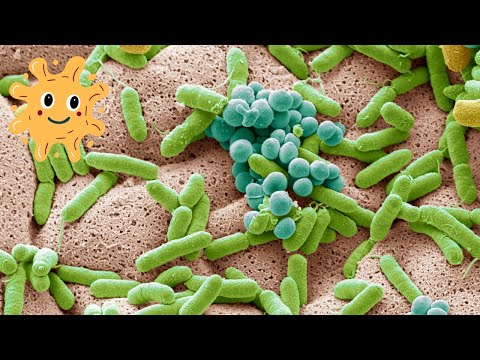
Soil microorganisms, comprising bacteria, fungi, and other microbes, play a crucial role in maintaining soil health, facilitating nutrient cycling, and supporting plant growth. With over 10^22 individual microorganisms in a single gram of soil, these ecosystems are incredibly diverse, hosting thousands of species that interact and influence each other. The activities of these microbes can significantly impact soil structure, fertility, and carbon sequestration, making them a vital component of terrestrial ecosystems. Research has shown that soil microorganisms can produce antibiotics, fix nitrogen, and even influence plant behavior, highlighting the intricate relationships between these organisms and their environment. However, human activities such as intensive farming, deforestation, and climate change are altering soil microbial communities, potentially disrupting ecosystem services and threatening global food security. As scientists continue to unravel the complexities of soil microbiology, they are discovering new ways to harness the power of these microorganisms to promote sustainable agriculture, mitigate climate change, and protect ecosystem health.
🌿 Introduction to Soil Microorganisms
Soil microorganisms are the unseen architects of ecosystems, playing a crucial role in maintaining soil health and fertility. The study of these microorganisms, known as soil microbiology, has revealed the importance of their functions in soil. For example, bacteria are responsible for decomposing organic matter, while fungi form symbiotic relationships with plants. The history of soil microbiology dates back to the early 20th century, when scientists first began to study the microorganisms present in soil. Since then, our understanding of these microorganisms has expanded significantly, with the discovery of new species and the development of new technologies for studying them. Environmental science has also highlighted the importance of soil microorganisms in maintaining ecosystem balance.
🔬 History of Soil Microbiology
The history of soil microbiology is closely tied to the history of life on Earth. It is believed that between two and four billion years ago, the first ancient cyanobacteria came about on Earth's oceans. These bacteria could fix carbon by photosynthesis, fix nitrogen, and multiply, releasing oxygen into the atmosphere and nitrogen into the soil. This led to the development of more advanced microorganisms, which were important for their impact on soil structure and fertility. The study of these ancient microorganisms has provided valuable insights into the evolution of life on Earth. Evolutionary biology has also shed light on the importance of microorganisms in shaping the Earth's ecosystems.
🌟 The Role of Ancient Cyanobacteria
The role of ancient cyanobacteria in shaping the Earth's ecosystems cannot be overstated. These bacteria were responsible for releasing oxygen into the atmosphere, paving the way for the development of more complex life forms. They also played a crucial role in fixing nitrogen, making it available to other organisms. The study of these ancient microorganisms has also provided valuable insights into the early history of life on Earth. Paleontology has also revealed the importance of microorganisms in shaping the Earth's ecosystems. Geology has also highlighted the role of microorganisms in shaping the Earth's landscape.
🧬 Classification of Soil Microorganisms
Soil microorganisms can be classified into several groups, including bacteria, archaea, fungi, algae, slime molds, and protozoa. Each of these groups has characteristics that define them and their functions in soil. For example, bacteria are responsible for decomposing organic matter, while fungi form symbiotic relationships with plants. The classification of soil microorganisms is an important area of study, as it has significant implications for our understanding of soil ecology. Ecology has also highlighted the importance of understanding the relationships between different organisms in an ecosystem.
🌿 Functions of Bacteria in Soil
The functions of bacteria in soil are diverse and complex. They are responsible for decomposing organic matter, fixing nitrogen, and solubilizing minerals. Bacteria also play a crucial role in the formation of soil structure and fertility. The study of bacterial functions in soil has significant implications for our understanding of soil ecology. Soil science has also highlighted the importance of bacteria in maintaining soil health. Agriculture has also relied heavily on the use of bacteria to improve soil fertility and crop yields.
🌱 Functions of Fungi in Soil
The functions of fungi in soil are also diverse and complex. They form symbiotic relationships with plants, providing them with essential nutrients in exchange for carbohydrates. Fungi also play a crucial role in decomposing organic matter and forming soil structure. The study of fungal functions in soil has significant implications for our understanding of soil ecology. Mycology has also highlighted the importance of fungi in maintaining ecosystem balance. Botany has also relied heavily on the study of fungi to understand plant-fungal interactions.
🐟 Functions of Protozoa in Soil
The functions of protozoa in soil are less well understood than those of bacteria and fungi. However, they are known to play a crucial role in regulating the populations of other microorganisms in soil. Protozoa are also responsible for decomposing organic matter and forming soil structure. The study of protozoan functions in soil has significant implications for our understanding of soil ecology. Zoology has also highlighted the importance of protozoa in maintaining ecosystem balance. Ecosystem ecology has also relied heavily on the study of protozoa to understand the complex interactions between organisms in an ecosystem.
🌈 Soil Microorganisms and Ecosystems
Soil microorganisms play a crucial role in maintaining ecosystem balance. They are responsible for decomposing organic matter, fixing nitrogen, and solubilizing minerals. Soil microorganisms also play a crucial role in forming soil structure and fertility. The study of soil microorganisms has significant implications for our understanding of ecosystem ecology. Ecosystem services has also highlighted the importance of soil microorganisms in maintaining ecosystem balance. Conservation biology has also relied heavily on the study of soil microorganisms to understand the impact of human activities on ecosystems.
🚨 Threats to Soil Microorganisms
Soil microorganisms are facing numerous threats, including climate change, pollution, and land degradation. These threats can have significant impacts on soil health and fertility, with far-reaching consequences for ecosystem balance. The study of these threats has significant implications for our understanding of soil ecology. Environmental policy has also highlighted the importance of protecting soil microorganisms. Sustainable agriculture has also relied heavily on the use of soil microorganisms to improve soil fertility and crop yields.
🌟 Future of Soil Microbiology
The future of soil microbiology is exciting and rapidly evolving. New technologies, such as genomics and metagenomics, are providing valuable insights into the diversity and functions of soil microorganisms. The study of soil microorganisms has significant implications for our understanding of ecosystem ecology. Biotechnology has also relied heavily on the study of soil microorganisms to develop new products and technologies. Precision agriculture has also used soil microorganisms to improve crop yields and reduce environmental impact.
📊 Applications of Soil Microbiology
The applications of soil microbiology are diverse and complex. They include the use of bacteria and fungi to improve soil fertility and crop yields. Soil microbiology has also been used to develop new products, such as biofertilizers and biostimulants. The study of soil microorganisms has significant implications for our understanding of ecosystem ecology. Agricultural science has also relied heavily on the study of soil microorganisms to improve crop yields and reduce environmental impact.
👥 Conclusion
In conclusion, soil microorganisms are the unseen architects of ecosystems, playing a crucial role in maintaining soil health and fertility. The study of these microorganisms has significant implications for our understanding of ecosystem ecology. Ecosystem ecology has also highlighted the importance of soil microorganisms in maintaining ecosystem balance. Conservation biology has also relied heavily on the study of soil microorganisms to understand the impact of human activities on ecosystems. Further research is needed to fully understand the diversity and functions of soil microorganisms and to develop effective strategies for protecting and conserving these vital organisms.
Key Facts
- Year
- 2022
- Origin
- Soil Science and Microbiology Research
- Category
- Environmental Science
- Type
- Biological Entity
Frequently Asked Questions
What are soil microorganisms?
Soil microorganisms are tiny living organisms that inhabit the soil and play a crucial role in maintaining soil health and fertility. They include bacteria, archaea, fungi, algae, slime molds, and protozoa. These microorganisms are responsible for decomposing organic matter, fixing nitrogen, and solubilizing minerals. They also play a crucial role in forming soil structure and fertility. The study of soil microorganisms has significant implications for our understanding of ecosystem ecology. Ecosystem ecology has also highlighted the importance of soil microorganisms in maintaining ecosystem balance.
What is the role of bacteria in soil?
Bacteria play a crucial role in soil, including decomposing organic matter, fixing nitrogen, and solubilizing minerals. They also play a crucial role in forming soil structure and fertility. The study of bacterial functions in soil has significant implications for our understanding of soil ecology. Soil science has also highlighted the importance of bacteria in maintaining soil health. Agriculture has also relied heavily on the use of bacteria to improve soil fertility and crop yields.
What is the role of fungi in soil?
Fungi play a crucial role in soil, including forming symbiotic relationships with plants, decomposing organic matter, and forming soil structure. They also play a crucial role in regulating the populations of other microorganisms in soil. The study of fungal functions in soil has significant implications for our understanding of soil ecology. Mycology has also highlighted the importance of fungi in maintaining ecosystem balance. Botany has also relied heavily on the study of fungi to understand plant-fungal interactions.
What are the threats to soil microorganisms?
Soil microorganisms are facing numerous threats, including climate change, pollution, and land degradation. These threats can have significant impacts on soil health and fertility, with far-reaching consequences for ecosystem balance. The study of these threats has significant implications for our understanding of soil ecology. Environmental policy has also highlighted the importance of protecting soil microorganisms. Sustainable agriculture has also relied heavily on the use of soil microorganisms to improve soil fertility and crop yields.
What is the future of soil microbiology?
The future of soil microbiology is exciting and rapidly evolving. New technologies, such as genomics and metagenomics, are providing valuable insights into the diversity and functions of soil microorganisms. The study of soil microorganisms has significant implications for our understanding of ecosystem ecology. Biotechnology has also relied heavily on the study of soil microorganisms to develop new products and technologies. Precision agriculture has also used soil microorganisms to improve crop yields and reduce environmental impact.
What are the applications of soil microbiology?
The applications of soil microbiology are diverse and complex. They include the use of bacteria and fungi to improve soil fertility and crop yields. Soil microbiology has also been used to develop new products, such as biofertilizers and biostimulants. The study of soil microorganisms has significant implications for our understanding of ecosystem ecology. Agricultural science has also relied heavily on the study of soil microorganisms to improve crop yields and reduce environmental impact.
Why is it important to study soil microorganisms?
It is important to study soil microorganisms because they play a crucial role in maintaining soil health and fertility. They are responsible for decomposing organic matter, fixing nitrogen, and solubilizing minerals. They also play a crucial role in forming soil structure and fertility. The study of soil microorganisms has significant implications for our understanding of ecosystem ecology. Ecosystem ecology has also highlighted the importance of soil microorganisms in maintaining ecosystem balance. Conservation biology has also relied heavily on the study of soil microorganisms to understand the impact of human activities on ecosystems.