
Contents
- 🌾 Introduction to Staple Crops
- 🌻 History of Staple Crops
- 🌺 Types of Staple Crops
- 🌴 Regional Staple Crops
- 🌾 Economic Importance of Staple Crops
- 🌿 Environmental Impact of Staple Crops
- 🌸 Sustainable Staple Crop Production
- 🌹 Challenges in Staple Crop Production
- 🌺 Future of Staple Crops
- 🌻 Policy and Regulation of Staple Crops
- 🌴 International Trade of Staple Crops
- Frequently Asked Questions
- Related Topics
Overview
Staple crops, including maize, wheat, rice, and soybeans, are the foundation of global food systems, providing sustenance for over 75% of the world's population. With a history dating back to 7,000 BCE, these crops have been instrumental in shaping human civilization, from the development of settled agriculture to the rise of complex societies. However, the production and distribution of staple crops are also fraught with controversy, including issues of water usage, pesticide application, and economic inequality. As the global population is projected to reach 9.7 billion by 2050, the importance of staple crops will only continue to grow, with the United Nations' Food and Agriculture Organization estimating that maize, wheat, and rice alone will need to increase production by 50% to meet demand. The influence of companies like Monsanto and Cargill, as well as movements like the Green Revolution and Agroecology, have significantly impacted the trajectory of staple crop development. With a vibe score of 8, staple crops are a highly energized and debated topic, with a controversy spectrum rating of 6, reflecting the complex and often conflicting perspectives surrounding their production and distribution.
🌾 Introduction to Staple Crops
Staple crops are the backbone of global food systems, providing the majority of the world's population with their daily energy intake. Staple foods such as maize, rice, and wheat are the primary sources of nutrition for many people around the world. The history of staple crops dates back to the dawn of agriculture, with early civilizations such as the Ancient Egyptians and Ancient Mesopotamians relying on these crops for survival. Today, staple crops are grown on every continent and are a vital part of the global economy. Agriculture is a significant sector in many countries, with staple crops being the primary focus of agricultural production.
🌻 History of Staple Crops
The history of staple crops is a long and complex one, with different regions developing their own unique staple crops. In Asia, rice has been a staple crop for thousands of years, while in Africa, sorghum and millet have been important staple crops. In the Americas, maize was a staple crop for many indigenous cultures, while in Europe, wheat and barley were the primary staple crops. The development of new technologies and farming practices has allowed for the widespread cultivation of staple crops, making them a crucial part of modern agriculture. Farming practices such as irrigation and crop rotation have improved crop yields and reduced the environmental impact of staple crop production.
🌺 Types of Staple Crops
There are many different types of staple crops, each with its own unique characteristics and uses. Root crops such as potatoes and cassava are important staple crops in many parts of the world, while grain crops such as wheat and rice are the primary staple crops in many regions. Legume crops such as beans and lentils are also important staple crops, providing a vital source of protein for many people. The diversity of staple crops is a key factor in maintaining food security and promoting sustainable agriculture. Sustainable agriculture practices such as agroforestry and permaculture can help to promote biodiversity and reduce the environmental impact of staple crop production.
🌴 Regional Staple Crops
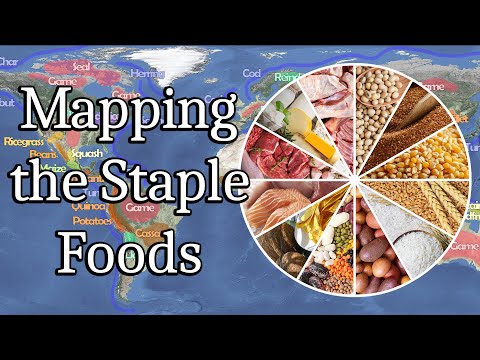
Regional staple crops are an important part of the cultural and culinary heritage of many regions. In Asia, rice is a staple crop in many countries, while in Africa, sorghum and millet are important staple crops. In the Americas, maize is a staple crop in many countries, while in Europe, wheat and barley are the primary staple crops. The production and consumption of regional staple crops are often closely tied to local traditions and customs. Food culture plays a significant role in shaping the way that people produce and consume staple crops, with many traditional dishes and recipes relying on these crops. Culinary traditions such as sushi and tacos rely on staple crops such as rice and maize.
🌾 Economic Importance of Staple Crops
The economic importance of staple crops cannot be overstated, with these crops providing a vital source of income for many farmers and rural communities. The global staple crop market is worth billions of dollars, with maize, wheat, and rice being the most widely traded staple crops. The production and trade of staple crops are often subject to fluctuations in global market prices, which can have a significant impact on the livelihoods of farmers and rural communities. Agricultural economics plays a crucial role in understanding the complex relationships between staple crop production, trade, and consumption. Market trends such as supply and demand and price volatility can have a significant impact on the stability of the global staple crop market.
🌿 Environmental Impact of Staple Crops
The environmental impact of staple crop production is a significant concern, with many staple crops requiring large amounts of water, fertilizer, and pesticides. The production of maize and wheat is particularly resource-intensive, with these crops requiring significant amounts of irrigation and fertilization. The use of genetically modified organisms (GMOs) in staple crop production is also a topic of controversy, with some arguing that GMOs can help to improve crop yields and reduce the environmental impact of staple crop production. Environmental impact assessments are essential for understanding the effects of staple crop production on the environment. Sustainable practices such as organic farming and regenerative agriculture can help to reduce the environmental impact of staple crop production.
🌸 Sustainable Staple Crop Production
Sustainable staple crop production is essential for maintaining food security and promoting environmental sustainability. Sustainable agriculture practices such as agroforestry and permaculture can help to promote biodiversity and reduce the environmental impact of staple crop production. The use of cover crops and crop rotation can also help to improve soil health and reduce the need for fertilizers and pesticides. Soil conservation is a critical aspect of sustainable staple crop production, with soil erosion and degradation being significant concerns in many regions. Water conservation is also essential, with many staple crops requiring significant amounts of water for irrigation.
🌹 Challenges in Staple Crop Production
Challenges in staple crop production are numerous, with many farmers facing significant challenges in terms of climate change, soil degradation, and water scarcity. Climate change is a major concern, with changing weather patterns and increased frequency of extreme weather events affecting staple crop yields and quality. Soil degradation is also a significant concern, with soil erosion and nutrient depletion affecting the long-term sustainability of staple crop production. Water scarcity is a critical issue in many regions, with many farmers struggling to access sufficient water for irrigation. Agricultural research is essential for developing new technologies and practices that can help to address these challenges.
🌺 Future of Staple Crops
The future of staple crops is uncertain, with many factors affecting the production and consumption of these crops. Population growth and urbanization are significant drivers of demand for staple crops, with many people relying on these crops for their daily energy intake. Dietary changes such as the increasing demand for plant-based diets are also affecting the production and consumption of staple crops. Technological advances such as precision agriculture and vertical farming are likely to play a significant role in shaping the future of staple crop production. Policy and regulation will also be critical in shaping the future of staple crops, with governments and international organizations playing a key role in promoting sustainable agriculture practices and reducing the environmental impact of staple crop production.
🌻 Policy and Regulation of Staple Crops
Policy and regulation of staple crops are critical for promoting sustainable agriculture practices and reducing the environmental impact of staple crop production. Agricultural policy plays a significant role in shaping the production and consumption of staple crops, with governments and international organizations providing support for farmers and rural communities. Trade agreements such as the WTO and EU Common Agricultural Policy also affect the production and trade of staple crops. Food safety regulations are essential for ensuring the quality and safety of staple crops, with many countries having strict regulations in place to protect consumers. Environmental regulations such as the Paris Agreement are also critical for reducing the environmental impact of staple crop production.
🌴 International Trade of Staple Crops
International trade of staple crops is a significant aspect of the global economy, with many countries relying on imports to meet their food needs. Global trade in staple crops such as maize, wheat, and rice is worth billions of dollars, with many countries playing a significant role in the global staple crop market. Trade agreements such as the WTO and NAFTA have facilitated the growth of international trade in staple crops, with many countries benefiting from increased access to global markets. Food security is a critical concern in many countries, with international trade playing a significant role in ensuring that people have access to nutritious and affordable food.
Key Facts
- Year
- 2023
- Origin
- Mesopotamia, circa 7,000 BCE
- Category
- Agriculture
- Type
- Crop
Frequently Asked Questions
What are staple crops?
Staple crops are crops that are widely cultivated and consumed, providing a significant source of nutrition and energy for many people around the world. Examples of staple crops include maize, rice, wheat, and potatoes. Staple foods are an essential part of the global food system, with many people relying on these crops for their daily energy intake. The production and consumption of staple crops are often closely tied to local traditions and customs. Food culture plays a significant role in shaping the way that people produce and consume staple crops.
Why are staple crops important?
Staple crops are important because they provide a vital source of nutrition and energy for many people around the world. They are also a significant source of income for many farmers and rural communities, with the global staple crop market worth billions of dollars. Agricultural economics plays a crucial role in understanding the complex relationships between staple crop production, trade, and consumption. The production and trade of staple crops are often subject to fluctuations in global market prices, which can have a significant impact on the livelihoods of farmers and rural communities.
What are the challenges facing staple crop production?
The challenges facing staple crop production are numerous, with many farmers facing significant challenges in terms of climate change, soil degradation, and water scarcity. Climate change is a major concern, with changing weather patterns and increased frequency of extreme weather events affecting staple crop yields and quality. Soil degradation is also a significant concern, with soil erosion and nutrient depletion affecting the long-term sustainability of staple crop production. Water scarcity is a critical issue in many regions, with many farmers struggling to access sufficient water for irrigation.
How can staple crop production be made more sustainable?
Staple crop production can be made more sustainable through the use of practices such as agroforestry, permaculture, and crop rotation. The use of cover crops and conservation tillage can also help to improve soil health and reduce the need for fertilizers and pesticides. Sustainable agriculture practices can help to promote biodiversity and reduce the environmental impact of staple crop production. Soil conservation is a critical aspect of sustainable staple crop production, with soil erosion and degradation being significant concerns in many regions.
What is the future of staple crops?
The future of staple crops is uncertain, with many factors affecting the production and consumption of these crops. Population growth and urbanization are significant drivers of demand for staple crops, with many people relying on these crops for their daily energy intake. Dietary changes such as the increasing demand for plant-based diets are also affecting the production and consumption of staple crops. Technological advances such as precision agriculture and vertical farming are likely to play a significant role in shaping the future of staple crop production.
How can policy and regulation support sustainable staple crop production?
Policy and regulation can support sustainable staple crop production by promoting practices such as agroforestry, permaculture, and crop rotation. Governments and international organizations can provide support for farmers and rural communities, such as training and extension services, to help them adopt sustainable agriculture practices. Agricultural policy plays a significant role in shaping the production and consumption of staple crops, with governments and international organizations providing support for farmers and rural communities. Trade agreements such as the WTO and EU Common Agricultural Policy also affect the production and trade of staple crops.
What is the role of international trade in staple crop production?
International trade plays a significant role in staple crop production, with many countries relying on imports to meet their food needs. Global trade in staple crops such as maize, wheat, and rice is worth billions of dollars, with many countries playing a significant role in the global staple crop market. Trade agreements such as the WTO and NAFTA have facilitated the growth of international trade in staple crops, with many countries benefiting from increased access to global markets. Food security is a critical concern in many countries, with international trade playing a significant role in ensuring that people have access to nutritious and affordable food.