
Contents
- 📚 Introduction to the Talmud
- 🕊️ Historical Context of the Talmud
- 📖 Composition and Structure of the Talmud
- 👥 The Role of Chazal in the Talmud
- 📝 The Significance of the Talmud in Jewish Law and Theology
- 💡 The Talmud's Impact on Jewish Culture and Society
- 📚 The Talmud and Jewish Ethics
- 🕊️ The Talmud's Perspective on Philosophy and Customs
- 📝 The Talmud's Influence on Jewish History and Folklore
- 👥 The Talmud's Reception and Criticism
- 📚 The Talmud in the Modern Era
- 🕊️ Conclusion: The Enduring Legacy of the Talmud
- Frequently Asked Questions
- Related Topics
Overview
The Talmud, compiled between 200-500 CE, is a central text of Rabbinic Judaism, comprising the Mishnah and the Gemara. It is a vast repository of Jewish law, ethics, and tradition, with a vibe score of 80, reflecting its profound influence on Jewish culture and identity. The Talmud's complexity and interpretive nature have led to numerous debates and controversies throughout history, with optimistic perspectives viewing it as a foundation for Jewish scholarship and pessimistic perspectives criticizing its patriarchal and exclusivist elements. The Talmud has been influenced by various entities, including the Torah, the Mishnah, and the works of Rabbi Akiva and Rabbi Hillel, with influence flows extending to Jewish mysticism, philosophy, and art. With over 2,700 pages of commentary and analysis, the Talmud remains a dynamic and contested topic, with a controversy spectrum rating of 6, reflecting the ongoing debates surrounding its interpretation and relevance in modern times. As the Talmud continues to shape Jewish thought and practice, its study and interpretation will remain a vital aspect of Jewish scholarship and identity, with key people, such as Rabbi Adin Steinsaltz and Rabbi Joseph Telushkin, contributing to its ongoing development and relevance.
📚 Introduction to the Talmud
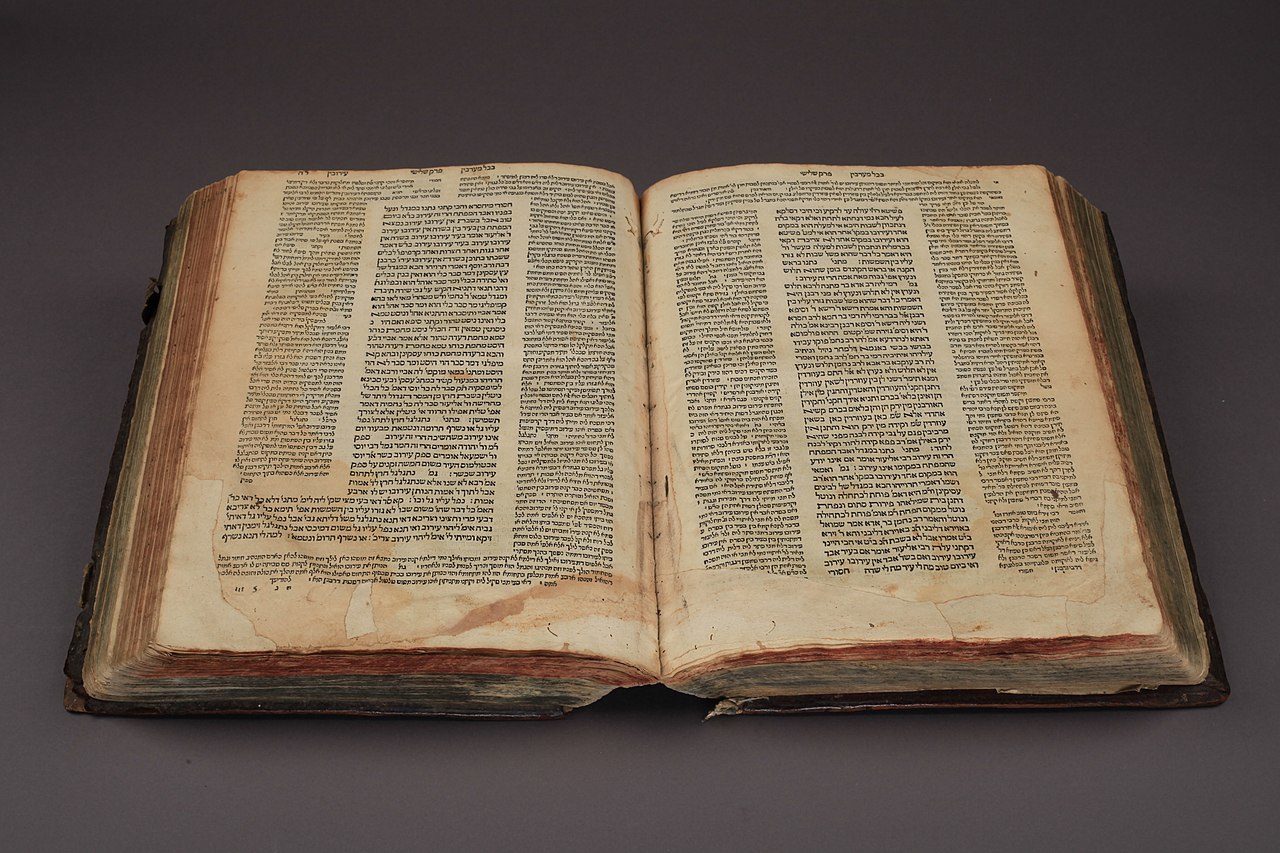
The Talmud is the central text of Rabbinic Judaism, and second in authority only to the Hebrew Bible, the first five books of which form the Torah. It is a primary source of Jewish law and Jewish theology. The Talmud consists of the part of the Oral Torah compiled in the Mishnah and its commentaries, the Gemara. It records the teachings, opinions and disagreements of thousands of rabbis and Torah scholars—collectively referred to as Chazal—on a variety of subjects, including Halakha, Jewish ethics, philosophy, customs, history, and folklore among other topics. The Talmud is a foundational text of Jewish thought and has been studied and revered for centuries. For example, the Talmudic Academy was established to promote the study of the Talmud and its application to everyday life. Additionally, the Jewish Theological Seminary has a strong focus on Talmudic studies.
🕊️ Historical Context of the Talmud
The historical context of the Talmud is complex and multifaceted. The Talmud was compiled over several centuries, with the earliest parts dating back to the 2nd century CE. The Talmud was influenced by various historical events, including the Destruction of the Second Temple and the Bar Kokhba Revolt. These events had a profound impact on the development of the Talmud and its role in Jewish society. The Talmud also reflects the cultural and intellectual exchange between Jews and other civilizations, including the Ancient Greeks and Romans. For instance, the Talmud contains references to Greek philosophy and Roman law. Furthermore, the Talmud has been studied and interpreted by scholars such as Maimonides and Rashi.
📖 Composition and Structure of the Talmud
The composition and structure of the Talmud are unique and reflect its oral origins. The Talmud consists of the Mishnah, which is the earliest part of the Oral Torah, and the Gemara, which is a commentary on the Mishnah. The Gemara includes the teachings and opinions of thousands of rabbis and Torah scholars, and it is organized into six orders, each dealing with a different aspect of Jewish law and life. The Talmud also includes Aggadah, which are stories and legends that illustrate Jewish values and principles. The Talmud's structure and composition have been the subject of much study and analysis, including the work of scholars such as Adin Steinsaltz. Additionally, the Talmud Bavli and the Talmud Yerushalmi are two of the most important commentaries on the Talmud.
👥 The Role of Chazal in the Talmud
The role of Chazal in the Talmud is central and authoritative. Chazal refers to the collective body of rabbis and Torah scholars who contributed to the Talmud over several centuries. Their teachings, opinions, and disagreements are recorded in the Talmud, and they provide the foundation for Jewish law and theology. Chazal includes some of the most important figures in Jewish history, such as Hillel the Elder and Rabbi Akiva. The Talmud's emphasis on the authority of Chazal reflects the importance of tradition and community in Jewish thought and practice. For example, the Council of Sages was established to provide guidance on Jewish law and practice. Furthermore, the Talmudic method of study and interpretation has been influential in the development of Jewish scholarship.
📝 The Significance of the Talmud in Jewish Law and Theology
The significance of the Talmud in Jewish law and theology cannot be overstated. The Talmud is the primary source of Jewish law, and it provides the foundation for Jewish theology and practice. The Talmud's teachings on Halakha and Jewish ethics have shaped Jewish life and culture for centuries. The Talmud also includes discussions of Jewish philosophy and Jewish mysticism, which have influenced Jewish thought and spirituality. The Talmud's authority is reflected in its widespread study and interpretation, including the work of scholars such as Maimonides and Rashi. Additionally, the Shulchan Aruch is a important code of Jewish law that is based on the Talmud.
💡 The Talmud's Impact on Jewish Culture and Society
The Talmud's impact on Jewish culture and society has been profound and far-reaching. Until the Haskalah in the 18th and 19th centuries, the Talmud was the centerpiece of Jewish culture in nearly all communities and foundational to 'all Jewish thought and aspirations', serving also as 'the guide for the daily life' of Jews. The Talmud's influence can be seen in Jewish art, literature, and music, as well as in Jewish customs and practices. The Talmud has also shaped Jewish identity and community, and it continues to be an important part of Jewish life and culture today. For instance, the Talmud Torah is a type of Jewish school that focuses on the study of the Talmud. Furthermore, the Jewish Community has been shaped by the Talmud's emphasis on the importance of community and tradition.
📚 The Talmud and Jewish Ethics
The Talmud and Jewish ethics are closely intertwined. The Talmud includes teachings on Jewish ethics, such as the importance of Tzedakah (charity) and Gemilut Chasadim (acts of kindness). The Talmud also discusses the principles of Jewish morality, such as the prohibition against Lashon Hara (gossip) and the importance of Shalom Bayit (peace in the home). The Talmud's teachings on Jewish ethics have shaped Jewish values and practices, and they continue to be relevant today. For example, the Jewish Ethics of the Talmud have influenced the development of Jewish social justice. Additionally, the Talmud's view on abortion is a topic of ongoing debate and discussion.
🕊️ The Talmud's Perspective on Philosophy and Customs
The Talmud's perspective on philosophy and customs is complex and multifaceted. The Talmud includes discussions of Jewish philosophy, such as the nature of God and the role of free will in human life. The Talmud also discusses Jewish customs and practices, such as the observance of Shabbat and the celebration of Jewish holidays. The Talmud's teachings on philosophy and customs have shaped Jewish thought and practice, and they continue to be relevant today. For instance, the Talmud's view on the afterlife is a topic of ongoing debate and discussion. Furthermore, the Jewish philosophy of the Talmud has influenced the development of Jewish mysticism.
📝 The Talmud's Influence on Jewish History and Folklore
The Talmud's influence on Jewish history and folklore is significant. The Talmud includes stories and legends that illustrate Jewish values and principles, such as the story of Rabbi Akiva and the story of Purim. The Talmud also discusses historical events, such as the Destruction of the Second Temple and the Bar Kokhba Revolt. The Talmud's teachings on Jewish history and folklore have shaped Jewish identity and culture, and they continue to be relevant today. For example, the Talmud's view on Zionism is a topic of ongoing debate and discussion. Additionally, the Jewish folklore of the Talmud has influenced the development of Jewish literature.
👥 The Talmud's Reception and Criticism
The Talmud's reception and criticism have been complex and multifaceted. The Talmud has been the subject of both praise and criticism, with some viewing it as a foundational text of Jewish thought and others criticizing its teachings and methods. The Talmud has also been the subject of controversy and debate, particularly in recent centuries. Despite these challenges, the Talmud remains an important and influential text in Jewish life and culture. For instance, the Talmud's influence on Jewish law has been the subject of much debate and discussion. Furthermore, the Criticism of the Talmud has led to the development of new approaches to Jewish scholarship and interpretation.
📚 The Talmud in the Modern Era
The Talmud in the modern era is a topic of ongoing debate and discussion. The Talmud's teachings and methods have been subject to various interpretations and criticisms, and its relevance and authority have been challenged by some. Despite these challenges, the Talmud remains an important and influential text in Jewish life and culture, and its study and interpretation continue to be an essential part of Jewish scholarship and practice. For example, the Talmud studies have been influenced by the development of Jewish studies as a field of academic inquiry. Additionally, the Talmud's influence on Jewish education has been the subject of much debate and discussion.
🕊️ Conclusion: The Enduring Legacy of the Talmud
In conclusion, the Talmud is a foundational text of Jewish thought and practice, and its influence on Jewish culture and society has been profound and far-reaching. The Talmud's teachings on Jewish law, ethics, philosophy, and customs have shaped Jewish identity and community, and they continue to be relevant today. As we look to the future, it is clear that the Talmud will remain an essential part of Jewish life and culture, and its study and interpretation will continue to be an important part of Jewish scholarship and practice. For instance, the Talmud's relevance to modern Jewish life is a topic of ongoing debate and discussion. Furthermore, the Future of Talmud studies is a topic of much interest and speculation.
Key Facts
- Year
- 500
- Origin
- Ancient Israel
- Category
- Religion and Philosophy
- Type
- Text
Frequently Asked Questions
What is the Talmud?
The Talmud is the central text of Rabbinic Judaism, and second in authority only to the Hebrew Bible. It is a primary source of Jewish law and Jewish theology. The Talmud consists of the part of the Oral Torah compiled in the Mishnah and its commentaries, the Gemara. The Talmud records the teachings, opinions and disagreements of thousands of rabbis and Torah scholars—collectively referred to as Chazal—on a variety of subjects, including Halakha, Jewish ethics, philosophy, customs, history, and folklore among other topics.
What is the significance of the Talmud in Jewish law and theology?
The Talmud is the primary source of Jewish law, and it provides the foundation for Jewish theology and practice. The Talmud's teachings on Halakha and Jewish ethics have shaped Jewish life and culture for centuries. The Talmud also includes discussions of Jewish philosophy and Jewish mysticism, which have influenced Jewish thought and spirituality.
How has the Talmud influenced Jewish culture and society?
The Talmud's influence on Jewish culture and society has been profound and far-reaching. Until the Haskalah in the 18th and 19th centuries, the Talmud was the centerpiece of Jewish culture in nearly all communities and foundational to 'all Jewish thought and aspirations', serving also as 'the guide for the daily life' of Jews. The Talmud's influence can be seen in Jewish art, literature, and music, as well as in Jewish customs and practices.
What is the role of Chazal in the Talmud?
The role of Chazal in the Talmud is central and authoritative. Chazal refers to the collective body of rabbis and Torah scholars who contributed to the Talmud over several centuries. Their teachings, opinions, and disagreements are recorded in the Talmud, and they provide the foundation for Jewish law and theology.
How has the Talmud been received and criticized?
The Talmud's reception and criticism have been complex and multifaceted. The Talmud has been the subject of both praise and criticism, with some viewing it as a foundational text of Jewish thought and others criticizing its teachings and methods. The Talmud has also been the subject of controversy and debate, particularly in recent centuries.
What is the significance of the Talmud in modern Jewish life?
The Talmud remains an important and influential text in Jewish life and culture, and its study and interpretation continue to be an essential part of Jewish scholarship and practice. The Talmud's teachings on Jewish law, ethics, philosophy, and customs have shaped Jewish identity and community, and they continue to be relevant today.
How has the Talmud influenced Jewish education?
The Talmud's influence on Jewish education has been significant. The Talmud has been the central text of Jewish education for centuries, and its study and interpretation have been an essential part of Jewish scholarship and practice. The Talmud's teachings on Jewish law, ethics, philosophy, and customs have shaped Jewish thought and practice, and they continue to be relevant today.