The Evolution of Translation: From Human to Machine | Golden Age
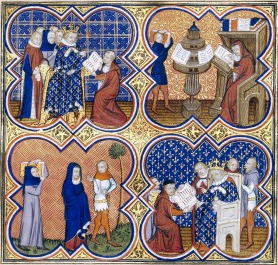
Translators have been bridging linguistic and cultural gaps for centuries, from ancient scribes to modern-day machines. The first recorded translator was the Eg
Overview
Translators have been bridging linguistic and cultural gaps for centuries, from ancient scribes to modern-day machines. The first recorded translator was the Egyptian priest Imhotep in 2600 BCE. With the advent of machine learning, translation technology has advanced significantly, enabling real-time language translation. However, this has also raised concerns about accuracy, cultural sensitivity, and job displacement. According to a report by the market research firm, Grand View Research, the global translation market is projected to reach $43.91 billion by 2025, growing at a CAGR of 9.5%. The development of neural machine translation (NMT) has been a significant milestone, with companies like Google and Microsoft investing heavily in this technology. As translation technology continues to evolve, it's essential to consider the potential consequences on the translation industry, cultural exchange, and global communication.