
Contents
- 🌎 Introduction to the Two State Solution
- 🏛️ Historical Context of the Israeli-Palestinian Conflict
- 🗺️ Geography and Demographics of the Region
- 📊 The Case for a Two-State Solution
- 🚫 The Case Against a Two-State Solution
- 🤝 International Support for the Two-State Solution
- 🇮🇱 Israel's Stance on the Two-State Solution
- 🇵🇸 The Palestinian Authority's View on the Two-State Solution
- 🌈 Alternative Solutions: The One-State Solution
- 🚧 Obstacles to Implementing the Two-State Solution
- 🕊️ Prospects for a Lasting Peace
- Frequently Asked Questions
- Related Topics
Overview
The two state solution, a concept first introduced in the 1990s, proposes the creation of an independent Palestinian state alongside the State of Israel. This solution aims to resolve the long-standing Israeli-Palestinian conflict, which has been marked by decades of violence, displacement, and diplomatic stalemates. The idea has been supported by various international organizations, including the United Nations, and has been a cornerstone of peace negotiations. However, its implementation has been hindered by numerous challenges, including territorial disputes, security concerns, and the status of Jerusalem. With a vibe rating of 6, the two state solution remains a highly contested and emotionally charged topic, with proponents arguing it is the only viable path to peace and critics claiming it is unworkable. As of 2023, the prospects for a two state solution remain uncertain, with many questioning its feasibility in the face of ongoing settlement expansion and rising tensions.
🌎 Introduction to the Two State Solution
The two-state solution is a proposed approach to resolving the Israeli–Palestinian conflict, by creating two states on the territory of the former Mandatory Palestine. This solution is often contrasted with the one-state solution, which is the establishment a single state in former Mandatory Palestine with equal rights for all its inhabitants. The two-state solution is supported by many countries and the Palestinian Authority. Israel currently does not support the idea, though it has in the past, as seen in the Oslo Accords. The two-state solution has been a topic of discussion for decades, with many United Nations resolutions supporting the idea.
🏛️ Historical Context of the Israeli-Palestinian Conflict
The Israeli-Palestinian conflict has a long and complex history, dating back to the early 20th century. The Balfour Declaration of 1917, which expressed support for a Jewish homeland in Palestine, is often seen as a key factor in the conflict. The Arab-Israeli War of 1948 led to the establishment of the State of Israel, but also resulted in the displacement of hundreds of thousands of Palestinians, known as the Nakba or 'catastrophe' in Arabic. The conflict has continued to this day, with periods of relative calm punctuated by outbreaks of violence, such as the Intifada. The two-state solution is seen by many as a way to bring a lasting peace to the region, as outlined in the Roadmap for Peace.
🗺️ Geography and Demographics of the Region
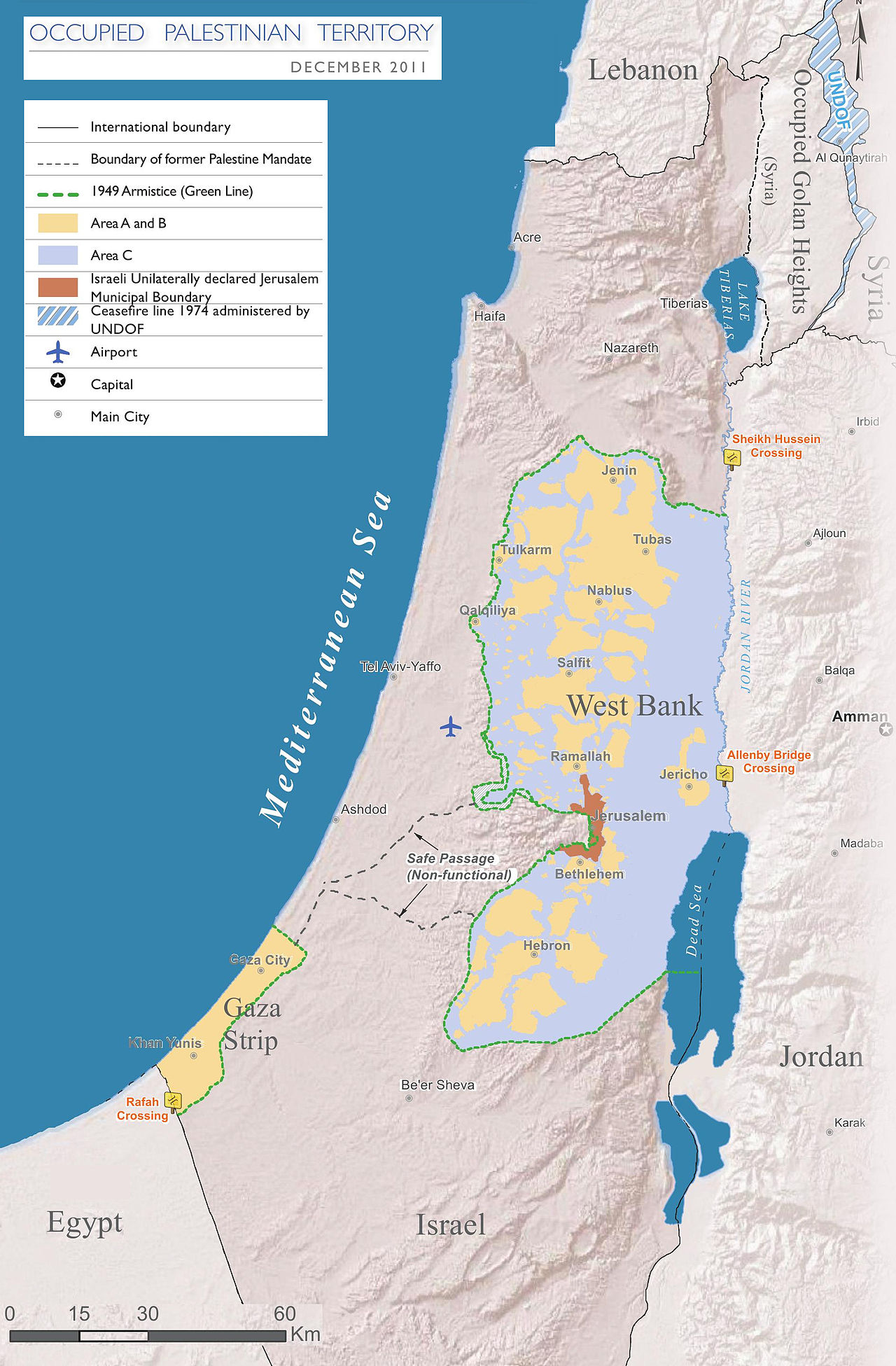
The geography and demographics of the region play a crucial role in the two-state solution. The West Bank and Gaza Strip, which are currently under Israeli occupation, are the proposed territories for a Palestinian state. The Green Line, which marks the 1949 armistice line, is often seen as the basis for a future border between Israel and Palestine. However, the presence of Israeli settlements in the West Bank, such as Ma'ale Adumim, complicates the issue. The demographics of the region are also complex, with a significant Palestinian population in Israel, as well as a large Israeli settler population in the West Bank, as discussed in the Demographics of the Palestinian territories.
📊 The Case for a Two-State Solution
The case for a two-state solution is based on the idea that two separate states can coexist peacefully, with each state having its own government and institutions. This solution is supported by many countries, including the United States, the European Union, and the Arab League. The two-state solution is also seen as a way to address the Palestinian refugee issue, with the possibility of refugees returning to their homes in a future Palestinian state, as outlined in UN General Assembly Resolution 194. However, the issue of Jerusalem, which is claimed by both Israel and Palestine as their capital, remains a major obstacle, with many Palestinians seeking to establish East Jerusalem as the capital of a Palestinian state.
🚫 The Case Against a Two-State Solution
The case against a two-state solution is based on the idea that it is no longer feasible, given the current situation on the ground. The presence of Israeli settlements in the West Bank, as well as the construction of the Israeli West Bank barrier, has made it difficult to establish a contiguous Palestinian state. Additionally, the Hamas-controlled Gaza Strip is seen as a major obstacle to a two-state solution, given its refusal to recognize Israel's right to exist, as stated in the Hamas Covenant. Some argue that a one-state solution, with equal rights for all inhabitants, is a more viable option, as discussed in the arguments for a one-state solution.
🤝 International Support for the Two-State Solution
The international community has long supported the two-state solution, with many countries and organizations calling for a peaceful resolution to the conflict. The United Nations Security Council has passed numerous resolutions supporting the two-state solution, including UN Security Council Resolution 242 and UN Security Council Resolution 338. The Quartet on the Middle East, which includes the United States, the European Union, Russia, and the United Nations, has also supported the two-state solution, as outlined in the Quartet Roadmap.
🇮🇱 Israel's Stance on the Two-State Solution
Israel's stance on the two-state solution has shifted over the years. In the past, Israel has supported the idea, as seen in the Oslo Accords and the Camp David Summit. However, in recent years, Israel has become increasingly skeptical of the two-state solution, with some Israeli leaders arguing that it is no longer feasible, as discussed in the Israeli views on the Palestinian state. The current Israeli government, led by Benjamin Netanyahu, has stated that it is willing to negotiate with the Palestinians, but has also emphasized the need for Israel's security concerns to be addressed, as outlined in the 2015 Israeli legislative election.
🌈 Alternative Solutions: The One-State Solution
The one-state solution, which is the establishment of a single state in former Mandatory Palestine with equal rights for all its inhabitants, is seen by some as a viable alternative to the two-state solution. The one-state solution is supported by some Palestinians, who argue that it is the only way to achieve true equality and justice, as discussed in the arguments for a one-state solution. However, the one-state solution is also opposed by many, who argue that it would lead to the destruction of the Jewish state and the displacement of Jews, as discussed in the arguments against a one-state solution.
🚧 Obstacles to Implementing the Two-State Solution
The implementation of the two-state solution faces many obstacles, including the presence of Israeli settlements in the West Bank and the construction of the Israeli West Bank barrier. The issue of Jerusalem, which is claimed by both Israel and Palestine as their capital, also remains a major obstacle, with many Palestinians seeking to establish East Jerusalem as the capital of a Palestinian state. Additionally, the Hamas-controlled Gaza Strip is seen as a major obstacle to a two-state solution, given its refusal to recognize Israel's right to exist, as stated in the Hamas Covenant.
🕊️ Prospects for a Lasting Peace
The prospects for a lasting peace in the region are uncertain, with many obstacles to overcome. However, many argue that the two-state solution is the only way to achieve a lasting peace, and that it is worth pursuing despite the challenges. The international community has a crucial role to play in supporting the two-state solution, and in helping to bring about a peaceful resolution to the conflict. As the situation continues to evolve, it is clear that a lasting peace will require a comprehensive and inclusive approach, as discussed in the Israeli-Palestinian peace process.
Key Facts
- Year
- 1993
- Origin
- Oslo Accords
- Category
- Politics
- Type
- Geopolitical Concept
Frequently Asked Questions
What is the two-state solution?
The two-state solution is a proposed approach to resolving the Israeli-Palestinian conflict, by creating two states on the territory of the former Mandatory Palestine. This solution is often contrasted with the one-state solution, which is the establishment a single state in former Mandatory Palestine with equal rights for all its inhabitants. The two-state solution is supported by many countries and the Palestinian Authority, as discussed in the Palestinian Declaration of Independence.
What are the main obstacles to implementing the two-state solution?
The main obstacles to implementing the two-state solution include the presence of Israeli settlements in the West Bank, the construction of the Israeli West Bank barrier, and the issue of Jerusalem, which is claimed by both Israel and Palestine as their capital. Additionally, the Hamas-controlled Gaza Strip is seen as a major obstacle to a two-state solution, given its refusal to recognize Israel's right to exist, as stated in the Hamas Covenant.
What is the one-state solution?
The one-state solution is the establishment of a single state in former Mandatory Palestine with equal rights for all its inhabitants. This solution is supported by some Palestinians, who argue that it is the only way to achieve true equality and justice, as discussed in the arguments for a one-state solution. However, the one-state solution is also opposed by many, who argue that it would lead to the destruction of the Jewish state and the displacement of Jews, as discussed in the arguments against a one-state solution.
What is the current status of the Israeli-Palestinian peace process?
The current status of the Israeli-Palestinian peace process is uncertain, with many obstacles to overcome. However, many argue that the two-state solution is the only way to achieve a lasting peace, and that it is worth pursuing despite the challenges. The international community has a crucial role to play in supporting the two-state solution, and in helping to bring about a peaceful resolution to the conflict, as discussed in the Quartet Roadmap.
What is the role of the international community in the Israeli-Palestinian conflict?
The international community has a crucial role to play in the Israeli-Palestinian conflict, particularly in supporting the two-state solution and helping to bring about a peaceful resolution to the conflict. The United Nations, the European Union, and the United States have all been involved in efforts to resolve the conflict, as discussed in the Quartet on the Middle East.