
Contents
- 🌎 Introduction to Uranium
- ⚛️ The Atomic Structure of Uranium
- 🔍 Uranium in the Periodic Table
- 💡 Radioactive Decay and Half-Life
- 📆 Dating the Age of the Earth
- 🌈 Isotopes of Uranium
- 💎 Extraction and Occurrence of Uranium
- 🔬 Properties and Uses of Uranium
- 🚨 Health and Environmental Concerns
- 🔜 Future of Uranium and Nuclear Energy
- 📊 Uranium in the Global Economy
- 👥 Key Players in the Uranium Industry
- Frequently Asked Questions
- Related Topics
Overview
Uranium, with its atomic number 92, is a naturally occurring element that has been a cornerstone of nuclear power and nuclear weapons since the mid-20th century. The discovery of uranium in 1789 by Martin Heinrich Klaproth marked the beginning of a complex and often contentious history, with the element playing a crucial role in the development of the atomic bomb during World War II. Today, uranium is used as fuel in nuclear reactors, providing approximately 10% of the world's electricity, with countries like the United States, France, and China relying heavily on nuclear power. However, the use of uranium is not without controversy, with concerns over nuclear safety, waste disposal, and the potential for nuclear proliferation. The vibe around uranium is highly polarized, with a vibe score of 42, reflecting the intense debate and tension surrounding its use. As the world continues to grapple with the challenges of climate change and energy security, the role of uranium in the global energy mix is likely to remain a topic of intense discussion and debate, with some arguing that it is a necessary evil, while others see it as a relic of the past. The influence of uranium can be seen in the work of scientists like Enrico Fermi and Ernest Lawrence, who pioneered the development of nuclear reactors and particle accelerators, and in the policies of governments around the world, which continue to shape the future of nuclear energy. With the global demand for energy expected to increase by 50% by 2050, the future of uranium is uncertain, but one thing is clear: it will remain a critical component of the global energy landscape for years to come.
🌎 Introduction to Uranium
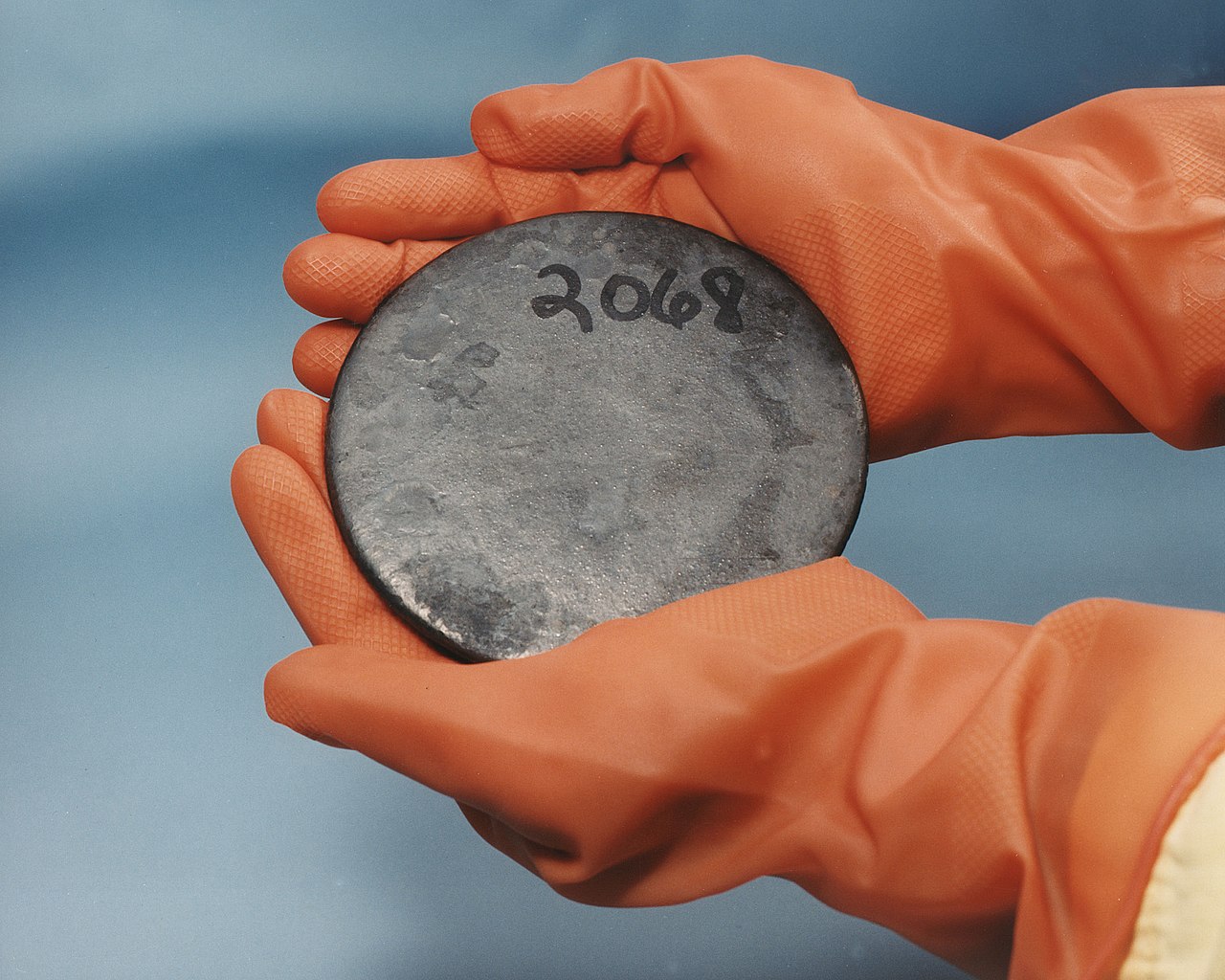
Uranium is a chemical element with the symbol U and atomic number 92, as described in the Periodic Table of Elements. It is a silvery-grey metal in the actinide series, with a unique set of properties that make it useful for various applications, including Nuclear Energy and Nuclear Medicine. Uranium has a rich history, dating back to its discovery in the late 18th century by Martin Heinrich Klaproth. The element is named after the planet Uranus, which was discovered around the same time. Uranium is found in small amounts in the Earth's crust, typically in the form of Uraninite, a mineral that contains uranium oxide.
⚛️ The Atomic Structure of Uranium
The atomic structure of uranium is characterized by 92 protons and 92 electrons, with 6 valence electrons, as explained in Atomic Theory. This unique arrangement of electrons makes uranium a highly reactive element, prone to radioactive decay. Uranium decays by emitting an alpha particle, which is a high-energy helium nucleus. This process is known as alpha decay, and it is a key feature of uranium's radioactive properties. The study of uranium's atomic structure has led to a deeper understanding of Radioactivity and its applications.
🔍 Uranium in the Periodic Table
Uranium is located in the actinide series of the periodic table, which is a group of elements with similar properties, including Thorium and Plutonium. The actinide series is characterized by a set of elements with high atomic numbers and unique chemical properties. Uranium is the most common element in this series, and it has been extensively studied due to its importance in nuclear energy and other applications. The periodic table is a powerful tool for understanding the properties and behavior of elements like uranium, as described in Chemistry.
💡 Radioactive Decay and Half-Life
The radioactive decay of uranium is a complex process that involves the emission of alpha particles, as well as other forms of radiation, such as Beta Particles and Gamma Rays. The half-life of uranium's decay varies between 159,200 and 4.5 billion years, depending on the isotope. This range of half-lives makes uranium useful for dating the age of rocks and other geological materials, as explained in Geology. The study of uranium's decay has also led to a deeper understanding of the Earth's history and the formation of the planet.
📆 Dating the Age of the Earth
The age of the Earth can be determined using uranium's radioactive decay, as described in Geochronology. By measuring the amount of uranium and its decay products in rocks, scientists can calculate the age of the Earth and other geological materials. This technique is known as uranium-lead dating, and it has been used to determine the age of rocks and minerals from around the world. The study of uranium's decay has also led to a deeper understanding of the Earth's history and the formation of the planet, as explained in Earth Science.
🌈 Isotopes of Uranium
Uranium has several isotopes, including uranium-238 and uranium-235, which are the most common isotopes found in nature, as described in Isotope. These isotopes have different half-lives and decay properties, which make them useful for various applications. Uranium-238 is the most abundant isotope, making up about 99.3% of natural uranium. Uranium-235, on the other hand, is the fissile isotope, which means it can undergo a chain reaction of nuclear fission, as explained in Nuclear Reactions.
💎 Extraction and Occurrence of Uranium
Uranium is extracted from uranium-bearing minerals, such as uraninite, which is a mineral that contains uranium oxide, as described in Mining. The extraction process involves several steps, including mining, milling, and refining. Uranium is found in small amounts in the Earth's crust, typically in the form of uraninite or other uranium-bearing minerals. The extraction of uranium is a complex process that requires careful planning and execution, as explained in Environmental Science.
🔬 Properties and Uses of Uranium
Uranium has several properties that make it useful for various applications, including its high density and melting point, as described in Materials Science. Uranium is also highly toxic and radioactive, which makes it a hazardous material to handle and store. The properties of uranium have been extensively studied, and they have led to a deeper understanding of the element's behavior and applications. Uranium is used in nuclear reactors, as well as in other applications, such as Nuclear Propulsion and Radiation Therapy.
🚨 Health and Environmental Concerns
The use of uranium has several health and environmental concerns, including the risk of radiation exposure and the potential for environmental contamination, as described in Public Health. The storage and disposal of uranium are also major concerns, as the element remains radioactive for thousands of years. The health and environmental impacts of uranium have been extensively studied, and they have led to a deeper understanding of the element's risks and benefits. The use of uranium requires careful planning and execution, as well as strict safety protocols, as explained in Nuclear Safety.
🔜 Future of Uranium and Nuclear Energy
The future of uranium and nuclear energy is uncertain, as the industry faces several challenges, including the risk of accidents and the high cost of construction, as described in Energy Policy. However, nuclear energy also has several benefits, including its low carbon footprint and high energy density. The future of uranium will depend on the development of new technologies and the implementation of strict safety protocols. The study of uranium's properties and behavior will continue to play a crucial role in the development of nuclear energy, as explained in Sustainable Energy.
📊 Uranium in the Global Economy
Uranium is a valuable commodity, with a global market that is worth billions of dollars, as described in Economics. The price of uranium is influenced by several factors, including the demand for nuclear energy and the cost of production. The global uranium market is dominated by a few large producers, including Kazakhstan and Canada. The market is also subject to fluctuations in demand and supply, which can affect the price of uranium.
👥 Key Players in the Uranium Industry
The uranium industry is dominated by a few large players, including Cameco and Areva. These companies are involved in all stages of the uranium production process, from mining to refining. The industry is also subject to strict regulations and safety protocols, which are designed to minimize the risks associated with uranium production. The study of the uranium industry has led to a deeper understanding of the element's properties and behavior, as well as the challenges and opportunities facing the industry.
Key Facts
- Year
- 1789
- Origin
- Germany
- Category
- Science and Technology
- Type
- Chemical Element
Frequently Asked Questions
What is uranium?
Uranium is a chemical element with the symbol U and atomic number 92. It is a silvery-grey metal in the actinide series of the periodic table. Uranium is highly reactive and radioactive, with a unique set of properties that make it useful for various applications, including nuclear energy and nuclear medicine.
What are the properties of uranium?
Uranium has several properties that make it useful for various applications, including its high density and melting point. Uranium is also highly toxic and radioactive, which makes it a hazardous material to handle and store. The properties of uranium have been extensively studied, and they have led to a deeper understanding of the element's behavior and applications.
What are the uses of uranium?
Uranium is used in nuclear reactors, as well as in other applications, such as nuclear propulsion and radiation therapy. The use of uranium requires careful planning and execution, as well as strict safety protocols. The study of uranium's properties and behavior will continue to play a crucial role in the development of nuclear energy.
What are the health and environmental concerns associated with uranium?
The use of uranium has several health and environmental concerns, including the risk of radiation exposure and the potential for environmental contamination. The storage and disposal of uranium are also major concerns, as the element remains radioactive for thousands of years. The health and environmental impacts of uranium have been extensively studied, and they have led to a deeper understanding of the element's risks and benefits.
What is the future of uranium and nuclear energy?
The future of uranium and nuclear energy is uncertain, as the industry faces several challenges, including the risk of accidents and the high cost of construction. However, nuclear energy also has several benefits, including its low carbon footprint and high energy density. The future of uranium will depend on the development of new technologies and the implementation of strict safety protocols.
What is the global uranium market like?
The global uranium market is worth billions of dollars, with a few large producers dominating the industry. The price of uranium is influenced by several factors, including the demand for nuclear energy and the cost of production. The market is also subject to fluctuations in demand and supply, which can affect the price of uranium.
Who are the key players in the uranium industry?
The uranium industry is dominated by a few large players, including Cameco and Areva. These companies are involved in all stages of the uranium production process, from mining to refining. The industry is also subject to strict regulations and safety protocols, which are designed to minimize the risks associated with uranium production.