
Contents
- 🏙️ Introduction to Wallingford
- 📚 History of Wallingford
- 🏛️ Architecture and Landmarks
- 🎨 Arts and Culture Scene
- 📊 Demographics and Economy
- 🌳 Parks and Recreation
- 🚂 Transportation and Infrastructure
- 👥 Community and Events
- 🤝 Education and Healthcare
- 📸 Tourism and Attractions
- 🚨 Challenges and Controversies
- Frequently Asked Questions
- Related Topics
Overview
Wallingford, a name that echoes through history and culture, is a term that may refer to several places, including Wallingford, Oxfordshire in England, and Wallingford, Connecticut in the United States. The name Wallingford is derived from the Old English words 'weal' meaning 'foreigner' and 'ford' meaning 'river crossing'. This etymology is shared by both the English and American towns, highlighting the historical connections between the two. The history of England has played a significant role in shaping the identity of Wallingford, Oxfordshire, with its rich cultural heritage and architectural landmarks. In contrast, Wallingford, Connecticut has its own unique history, influenced by its location in the United States and its role in the American Industrial Revolution.
📚 History of Wallingford
The history of Wallingford dates back to the Anglo-Saxon Chronicle, which mentions the town as a significant settlement in the 9th century. The town's strategic location on the River Thames made it an important center for trade and commerce. The Wallingford Castle, built in the 11th century, is a testament to the town's historical significance and its role in the Norman Conquest of England. The castle's architecture is a prime example of Medieval Architecture, with its imposing walls and towers. In contrast, Wallingford, Connecticut has a more modern history, with its founding in the 17th century and its growth into a thriving industrial town. The town's history is closely tied to the American Civil War and the Industrial Revolution.
🏛️ Architecture and Landmarks
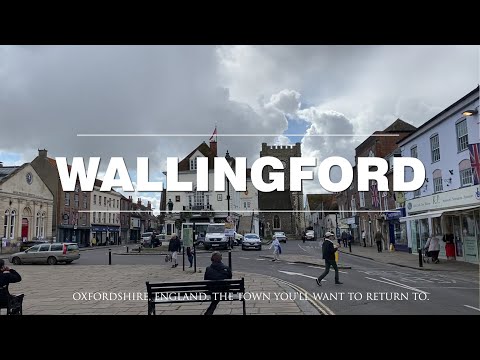
Wallingford is home to a range of architectural landmarks, including the Wallingford Bridge, which dates back to the 14th century. The town's historic center is filled with half-timbered houses and other examples of traditional English architecture. The St Peter's Church, Wallingford is another notable landmark, with its stunning stained-glass windows and intricate stone carvings. In Wallingford, Connecticut, the town's architecture is more modern, with a mix of colonial and industrial-era buildings. The town's downtown area is home to a number of historic buildings, including the Wallingford Town Hall. The New Haven County area is also home to a number of other historic towns, including New Haven, Connecticut.
🎨 Arts and Culture Scene
Wallingford has a thriving arts and culture scene, with a range of galleries, museums, and performance venues. The Wallingford Museum is a must-visit attraction, with its collection of artifacts and exhibits that tell the story of the town's history and culture. The Corn Exchange, Wallingford is a popular venue for live music and theater performances. In Wallingford, Connecticut, the town is home to a number of cultural attractions, including the Wallingford Symphony Orchestra. The town also hosts a number of festivals and events throughout the year, including the Wallingford Festival. The Yale University is also located nearby, providing access to a range of cultural and educational resources.
📊 Demographics and Economy
The demographics of Wallingford are characterized by a mix of young and old residents, with a range of occupations and industries. The town has a strong economy, with a mix of retail, manufacturing, and service-based businesses. The Wallingford Train Station provides easy access to nearby cities, including London and Oxford. In Wallingford, Connecticut, the town has a diverse economy, with a mix of industries including manufacturing, healthcare, and education. The town is also home to a number of major employers, including the Yale New Haven Hospital. The New Haven, Connecticut area is also home to a number of other major employers, including Yale University.
🌳 Parks and Recreation
Wallingford is surrounded by beautiful countryside, with a range of parks and green spaces. The Wallingford Meadows is a popular spot for walking and picnicking, with its stunning views of the surrounding countryside. The Chiltern Hills are also nearby, offering a range of hiking and cycling trails. In Wallingford, Connecticut, the town has a number of parks and recreation areas, including the Wallingford Town Forest. The town also has a number of sports teams, including the Wallingford Little League. The Quinnipiac River is also nearby, providing opportunities for fishing and boating.
🚂 Transportation and Infrastructure
Wallingford has a well-developed transportation network, with easy access to nearby cities and towns. The Wallingford Bus Station provides regular bus services to destinations including London and Oxford. The Wallingford Train Station also provides regular train services to nearby cities. In Wallingford, Connecticut, the town has a number of major highways, including the Interstate 91. The town is also served by the Bradley International Airport, which provides flights to destinations across the United States.
👥 Community and Events
Wallingford has a strong sense of community, with a range of events and festivals throughout the year. The Wallingford Festival is a popular event, with live music, food, and drink. The town also hosts a number of other events, including the Wallingford Christmas Market. In Wallingford, Connecticut, the town has a number of community events, including the Wallingford Fourth of July Celebration. The town also has a number of community organizations, including the Wallingford Rotary Club. The Wallingford Public Library is also a popular community resource, with a wide range of books, media, and programs.
🤝 Education and Healthcare
Wallingford has a range of educational institutions, including the Wallingford School. The town is also home to a number of healthcare facilities, including the Wallingford Hospital. In Wallingford, Connecticut, the town has a number of schools, including the Wallingford Public Schools. The town is also served by a number of healthcare providers, including the Yale New Haven Hospital. The Quinnipiac University is also located nearby, providing access to higher education and research opportunities.
📸 Tourism and Attractions
Wallingford is a popular tourist destination, with a range of attractions and activities. The Wallingford Castle is a must-visit attraction, with its stunning architecture and historic significance. The town is also home to a number of other historic landmarks, including the St Peter's Church, Wallingford. In Wallingford, Connecticut, the town has a number of tourist attractions, including the Wallingford Town Hall. The town is also close to a number of other popular destinations, including the Yale University and the Mystic Seaport.
🚨 Challenges and Controversies
Despite its many attractions and amenities, Wallingford is not without its challenges and controversies. The town has faced issues with traffic and congestion, particularly during peak tourist season. The Wallingford Town Council has implemented a number of initiatives to address these issues, including the development of a new transportation plan. In Wallingford, Connecticut, the town has faced challenges related to economic development and growth, including the need to attract new businesses and industries. The town has implemented a number of initiatives to address these challenges, including the development of a new economic development plan.
Key Facts
- Year
- 870
- Origin
- Saxon Settlement
- Category
- Places
- Type
- Town
Frequently Asked Questions
What is the history of Wallingford?
The history of Wallingford dates back to the Anglo-Saxon Chronicle, which mentions the town as a significant settlement in the 9th century. The town's strategic location on the River Thames made it an important center for trade and commerce. The Wallingford Castle, built in the 11th century, is a testament to the town's historical significance and its role in the Norman Conquest of England.
What are the main attractions in Wallingford?
The main attractions in Wallingford include the Wallingford Castle, the Wallingford Museum, and the St Peter's Church, Wallingford. The town is also home to a number of other historic landmarks, including the Wallingford Bridge and the Corn Exchange, Wallingford.
What is the economy of Wallingford like?
The economy of Wallingford is characterized by a mix of retail, manufacturing, and service-based businesses. The town has a strong economy, with a range of industries including healthcare, education, and tourism. The Wallingford Train Station provides easy access to nearby cities, including London and Oxford.
What are the demographics of Wallingford like?
The demographics of Wallingford are characterized by a mix of young and old residents, with a range of occupations and industries. The town has a diverse population, with a range of ethnic and cultural backgrounds. The Wallingford School is a popular educational institution, and the town is also home to a number of other schools and educational facilities.
What are the challenges facing Wallingford?
Despite its many attractions and amenities, Wallingford is not without its challenges and controversies. The town has faced issues with traffic and congestion, particularly during peak tourist season. The Wallingford Town Council has implemented a number of initiatives to address these issues, including the development of a new transportation plan.
How does Wallingford, Connecticut differ from Wallingford, Oxfordshire?
Wallingford, Connecticut and Wallingford, Oxfordshire are two distinct towns with different histories, cultures, and economies. While both towns share a common name, they have developed unique identities and characteristics over time. Wallingford, Connecticut is a more modern town, with a diverse economy and a range of cultural attractions. Wallingford, Oxfordshire, on the other hand, is a historic town with a rich cultural heritage and a strong sense of tradition.
What are the educational institutions in Wallingford?
Wallingford has a range of educational institutions, including the Wallingford School and the Wallingford Public Schools. The town is also served by a number of nearby universities, including the Yale University and the Quinnipiac University.