
Contents
- 🌿 Introduction to Water Lilies
- 🌸 History and Cultural Significance
- 🌹 Botanical Characteristics
- 🏞️ Ecological Role and Importance
- 🎨 Artistic and Symbolic Representations
- 🌻 Types and Varieties of Water Lilies
- 🌺 Conservation and Threats
- 🌴 Water Lilies in Different Cultures
- 🌱 Uses and Benefits of Water Lilies
- 🌿 Modern Research and Developments
- 🌸 Future Prospects and Challenges
- Frequently Asked Questions
- Related Topics
Overview
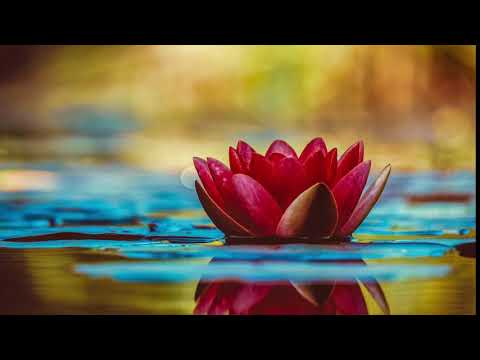
Water lilies, with a history dating back to the time of the ancient Egyptians around 2000 BCE, have been a subject of fascination across various cultures and disciplines. These aquatic plants, belonging to the family Nymphaeaceae, are not only renowned for their breathtaking beauty, which inspired Claude Monet's famous series of paintings, but also play a crucial role in maintaining the ecological balance of freshwater ecosystems. However, their proliferation can also lead to significant environmental issues, such as blocking sunlight and reducing oxygen levels in water bodies, thereby affecting other aquatic life. The vibe score for water lilies is high, at 8 out of 10, reflecting their widespread cultural and ecological significance. Despite their beauty and importance, water lilies are often at the center of debates regarding their management and control in natural and artificial water bodies. As we move forward, understanding the impact of water lilies on ecosystems and finding sustainable ways to manage their growth will be essential. With influence from artists like Monet and ecological concerns, the future of water lilies is multifaceted, involving both preservation and management strategies.
🌿 Introduction to Water Lilies
Water lilies, also known as waterlilies, have been a part of human culture for thousands of years, with ancient civilizations such as the Egyptians and Greeks revering them for their beauty and symbolic significance. The Victoria amazonica, a species of water lily, is known for its massive leaves that can grow up to 6 feet in diameter, making it a popular attraction in botanical gardens. Water lilies are also an important part of the ecosystem, providing shelter and food for various aquatic animals, such as fish and frogs. The Amazon River and its surrounding wetlands are home to a diverse range of water lily species, many of which are still unknown to science. For more information on water lilies, visit the Water Lily Society website.
🌸 History and Cultural Significance
The history of water lilies dates back to ancient times, with evidence of their presence found in the art and literature of China, Japan, and India. In these cultures, water lilies were often associated with spiritual and philosophical concepts, such as the yin and yang principle in Chinese philosophy. The lotus flower, a type of water lily, is a sacred symbol in Hinduism and Buddhism, representing spiritual growth and enlightenment. Water lilies have also been a popular subject in art, with famous painters such as Claude Monet and Pierre-Auguste Renoir depicting them in their works. The Impressionist movement in art was particularly inspired by the beauty of water lilies, with many artists seeking to capture their fleeting impressions of light and color.
🌹 Botanical Characteristics
From a botanical perspective, water lilies are characterized by their large, flat leaves and showy flowers, which can range in color from white to pink to purple. The Nymphaea genus, which includes most species of water lilies, is known for its unique leaf structure, with a distinctive notch at the base of the leaf. Water lilies are also known for their ability to thrive in a variety of aquatic environments, from shallow ponds to deep lakes. The ecosystem of a water lily pond is complex and diverse, with many different species of plants and animals interacting and depending on each other. For example, the water lily leaf provides shelter and food for various aquatic animals, such as snails and insects. The food chain in a water lily ecosystem is also an important area of study, with many scientists seeking to understand the complex relationships between different species.
🏞️ Ecological Role and Importance
Water lilies play a crucial role in maintaining the health and balance of aquatic ecosystems, providing shade, shelter, and food for various aquatic animals. The roots of water lilies help to stabilize the soil and prevent erosion, while their leaves and flowers provide a habitat for various species of fish, frogs, and other animals. The water cycle is also an important aspect of water lily ecology, with water lilies helping to regulate the flow of water and prevent flooding. The Amazon wetlands, which are home to a diverse range of water lily species, are an important example of the ecological importance of water lilies. For more information on the ecological role of water lilies, visit the Ecological Society website.
🎨 Artistic and Symbolic Representations
Water lilies have been a popular subject in art and literature for centuries, with many famous artists and writers depicting them in their works. The Impressionist movement in art was particularly inspired by the beauty of water lilies, with many artists seeking to capture their fleeting impressions of light and color. The Claude Monet painting, Water Lilies, is a famous example of the artistic representation of water lilies. The symbolism of water lilies is also an important area of study, with many different cultures and societies assigning different meanings to these plants. For example, the lotus flower is a sacred symbol in Hinduism and Buddhism, representing spiritual growth and enlightenment.
🌻 Types and Varieties of Water Lilies
There are many different types and varieties of water lilies, each with its own unique characteristics and features. The Victoria amazonica, a species of water lily, is known for its massive leaves that can grow up to 6 feet in diameter, making it a popular attraction in botanical gardens. The Nymphaea genus, which includes most species of water lilies, is known for its unique leaf structure, with a distinctive notch at the base of the leaf. The Water Lily Society is a great resource for learning more about the different types and varieties of water lilies, with many articles and photos available on their website. For example, the Egyptian lotus is a type of water lily that is native to Egypt and is known for its beautiful flowers and distinctive leaf shape.
🌺 Conservation and Threats
Unfortunately, many species of water lilies are facing threats to their survival, including habitat destruction, pollution, and climate change. The Amazon rainforest, which is home to a diverse range of water lily species, is under threat from deforestation and habitat destruction. The Water Lily Conservation organization is working to protect and preserve water lily habitats, and to raise awareness about the importance of these plants. The endangered species list is also an important tool for tracking the status of water lily species and for identifying areas where conservation efforts are needed. For example, the Victoria amazonica is listed as endangered on the IUCN Red List, due to habitat loss and degradation.
🌴 Water Lilies in Different Cultures
Water lilies have been an important part of many different cultures and societies throughout history, with various symbolic and spiritual meanings assigned to them. In China, the water lily is a symbol of good fortune and prosperity, while in Japan, it is a symbol of purity and innocence. The lotus flower is a sacred symbol in Hinduism and Buddhism, representing spiritual growth and enlightenment. The Water Lily Festival is a popular event in many countries, celebrating the beauty and cultural significance of water lilies. For example, the Indian lotus is a type of water lily that is native to India and is known for its beautiful flowers and distinctive leaf shape.
🌱 Uses and Benefits of Water Lilies
Water lilies have many different uses and benefits, from providing food and shelter for aquatic animals to serving as a natural filter for water. The roots of water lilies help to stabilize the soil and prevent erosion, while their leaves and flowers provide a habitat for various species of fish, frogs, and other animals. The water lily leaf is also edible and is used in many different cuisines, particularly in Asia. The water lily tea is a popular beverage in many countries, made from the dried leaves and flowers of the water lily plant. For example, the Victoria amazonica is used as a food source by many indigenous communities in the Amazon rainforest.
🌿 Modern Research and Developments
Modern research and developments have led to a greater understanding of the biology and ecology of water lilies, as well as their potential uses and benefits. The water lily genome has been sequenced, providing valuable insights into the evolution and diversity of these plants. The Water Lily Research organization is working to develop new technologies and methods for cultivating and conserving water lilies, as well as for studying their ecological and cultural significance. The biotechnology industry is also exploring the potential of water lilies as a source of new medicines and other products. For example, the water lily extract is being studied for its potential anti-inflammatory properties.
🌸 Future Prospects and Challenges
As we look to the future, it is clear that water lilies will continue to play an important role in many different ecosystems and cultures around the world. The Water Lily Conservation organization is working to protect and preserve water lily habitats, and to raise awareness about the importance of these plants. The sustainable development of water lily-based industries, such as aquaculture and ecotourism, is also an important area of focus. The Water Lily Festival is a popular event in many countries, celebrating the beauty and cultural significance of water lilies. For example, the Amazon wetlands are an important example of the ecological importance of water lilies, and efforts are being made to protect and preserve this unique ecosystem.
Key Facts
- Year
- 2000 BCE
- Origin
- Ancient Egypt
- Category
- Botany, Ecology, Art
- Type
- Biological Species
Frequently Asked Questions
What is the largest species of water lily?
The Victoria amazonica is the largest species of water lily, with leaves that can grow up to 6 feet in diameter. This species is native to the Amazon rainforest and is known for its massive leaves and beautiful flowers. The Victoria amazonica is also an important part of the ecosystem, providing shelter and food for various aquatic animals. For more information on the Victoria amazonica, visit the Water Lily Society website.
What is the cultural significance of water lilies?
Water lilies have been an important part of many different cultures and societies throughout history, with various symbolic and spiritual meanings assigned to them. In China, the water lily is a symbol of good fortune and prosperity, while in Japan, it is a symbol of purity and innocence. The lotus flower is a sacred symbol in Hinduism and Buddhism, representing spiritual growth and enlightenment. For more information on the cultural significance of water lilies, visit the Cultural Significance website.
What are the benefits of water lilies?
Water lilies have many different uses and benefits, from providing food and shelter for aquatic animals to serving as a natural filter for water. The roots of water lilies help to stabilize the soil and prevent erosion, while their leaves and flowers provide a habitat for various species of fish, frogs, and other animals. The water lily leaf is also edible and is used in many different cuisines, particularly in Asia. For more information on the benefits of water lilies, visit the Water Lily Benefits website.
How can I grow water lilies?
Water lilies can be grown in a variety of aquatic environments, from shallow ponds to deep lakes. The Water Lily Care website provides information on how to care for water lilies, including tips on planting, fertilizing, and pruning. The Water Lily Society also offers advice and resources for growing water lilies, including a list of recommended species and cultivars. For more information on growing water lilies, visit the Water Lily Growing website.
What are the different types of water lilies?
There are many different types and varieties of water lilies, each with its own unique characteristics and features. The Victoria amazonica is a species of water lily that is known for its massive leaves and beautiful flowers. The Nymphaea genus, which includes most species of water lilies, is known for its unique leaf structure, with a distinctive notch at the base of the leaf. For more information on the different types of water lilies, visit the Water Lily Types website.
What is the Water Lily Festival?
The Water Lily Festival is a popular event in many countries, celebrating the beauty and cultural significance of water lilies. The festival typically features exhibits, performances, and activities related to water lilies, as well as food and drink vendors selling water lily-based products. The Water Lily Festival is a great way to learn about water lilies and to appreciate their beauty and importance. For more information on the Water Lily Festival, visit the Water Lily Festival website.
How can I conserve water lilies?
There are many ways to conserve water lilies, from protecting their habitats to reducing pollution and climate change. The Water Lily Conservation organization is working to protect and preserve water lily habitats, and to raise awareness about the importance of these plants. The sustainable development of water lily-based industries, such as aquaculture and ecotourism, is also an important area of focus. For more information on conserving water lilies, visit the Water Lily Conservation website.