
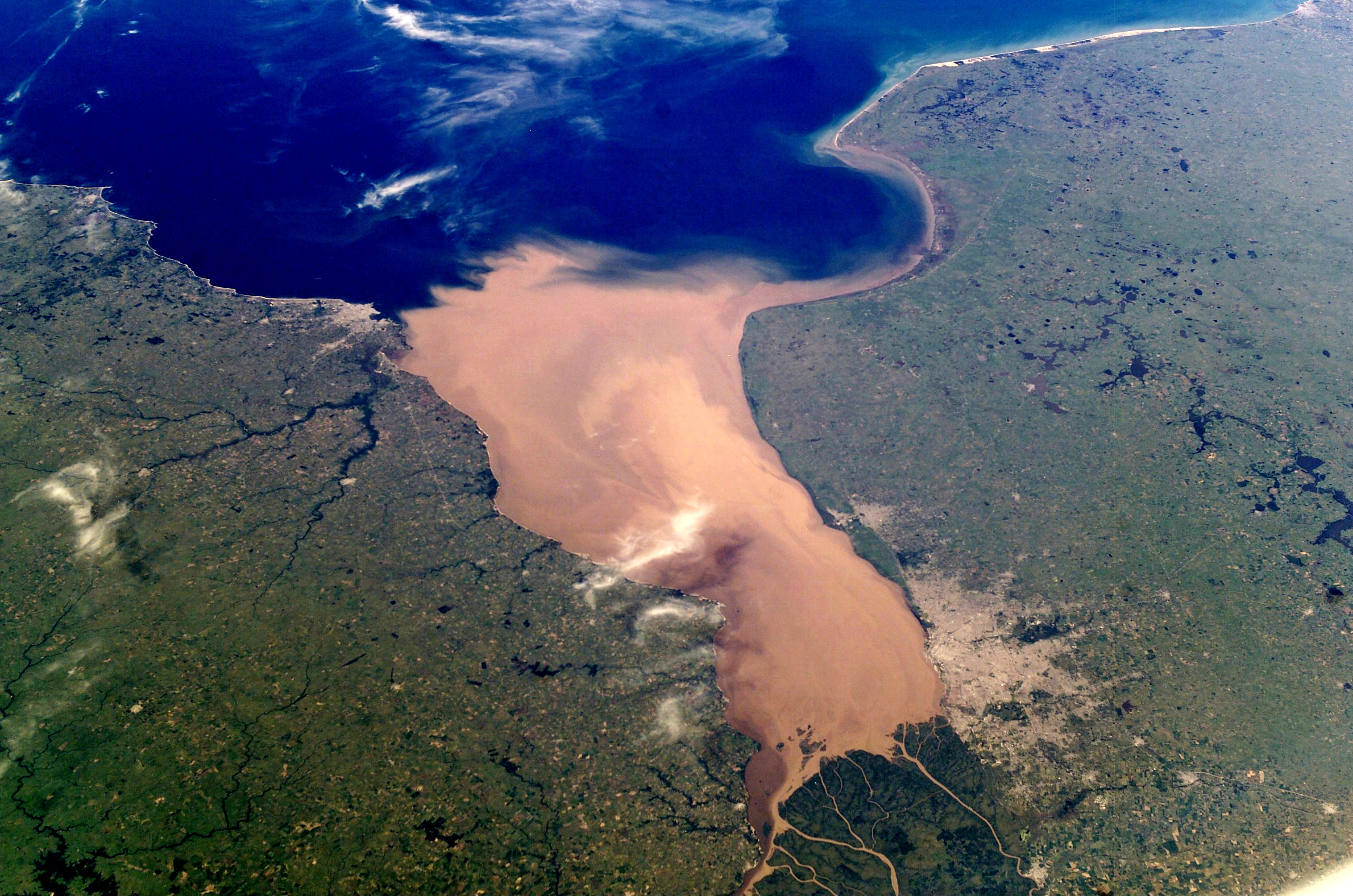
Contents
- 🌿 Origins & History of Estuary Conservation
- 🌊 How Estuaries Work: A Holistic Perspective
- 📊 Key Facts & Numbers: Estuary Biodiversity and Ecosystem Services
- 👥 Key People & Organizations: Estuary Stewardship and Community Engagement
- 🌍 Cultural Impact & Influence: Estuaries in the Golden Age
- ⚡ Current State & Latest Developments: Estuary Restoration and Management
- 🤔 Controversies & Debates: Balancing Human and Environmental Needs
- 🔮 Future Outlook & Predictions: Estuaries as Models for Regenerative Culture
- 💡 Practical Applications: Eco-Friendly Technologies and Sustainable Practices
- 📚 Related Topics & Deeper Reading: Coastal Ecology and Environmental Stewardship
- References
Overview
Estuaries, as thriving examples of interconnected ecosystems, offer valuable lessons for the pursuit of harmony between human and natural systems. By embracing holistic approaches to environmental stewardship, we can revitalize these critical coastal ecosystems and foster a deeper understanding of the intricate relationships between freshwater and saltwater, as well as the communities that depend on them. With a focus on sustainable practices, eco-friendly technologies, and collaborative community engagement, we can work towards restoring the health and biodiversity of estuaries, ultimately contributing to a more resilient and thriving planet. As we navigate the complexities of estuary management, we must consider the long-term consequences of our actions, prioritizing the well-being of both human and non-human communities. By adopting a holistic perspective, we can unlock the full potential of estuaries as vibrant, thriving ecosystems that support a wide range of plant and animal species, as well as the people who depend on them for livelihood, recreation, and spiritual nourishment.
🌿 Origins & History of Estuary Conservation
Rachel Carson highlighted the importance of coastal ecosystems in her book 'The Edge of the Sea'. Estuaries exist at the interface between freshwater and saltwater environments, supporting a wide range of plant and animal species. The mixing of seawater and freshwater creates a unique environment that is both fragile and resilient, with a delicate balance of nutrients, sediments, and organisms. By studying estuaries and their ecosystems, we can gain a deeper understanding of the intricate relationships between human and natural systems, and develop more effective strategies for environmental stewardship and conservation.
🌊 How Estuaries Work: A Holistic Perspective
Estuaries are complex ecosystems that exist at the interface between freshwater and saltwater environments, supporting a wide range of plant and animal species. The mixing of seawater and freshwater creates a unique environment that is both fragile and resilient, with a delicate balance of nutrients, sediments, and organisms. As we strive to create a more sustainable culture, estuaries offer valuable lessons in the importance of interconnectedness, diversity, and adaptability. The work of organizations like the Nature Conservancy and the World Wildlife Fund has been instrumental in promoting estuary conservation and sustainable management practices.
📊 Key Facts & Numbers: Estuary Biodiversity and Ecosystem Services
The United Nations recognizes the importance of estuaries in supporting human well-being and livelihoods. As we transition into a more sustainable future, it is essential that we prioritize estuary conservation and management, recognizing the critical role that these ecosystems play in supporting both human and non-human communities.
👥 Key People & Organizations: Estuary Stewardship and Community Engagement
Key people and organizations are playing a critical role in estuary conservation and management, from local community groups to international organizations. The Estuary Restoration movement, for example, is a global effort to restore and protect estuaries, with a focus on community engagement, education, and outreach. The International Union for Conservation of Nature (IUCN) is also working to promote estuary conservation, recognizing the importance of these ecosystems in supporting biodiversity and ecosystem services.
🌍 Cultural Impact & Influence: Estuaries in the Golden Age
Estuaries have a profound cultural impact and influence, supporting a wide range of human activities from fishing and boating to recreation and tourism. As we transition into a more sustainable future, it is essential that we prioritize estuary conservation and management, recognizing the critical role that these ecosystems play in supporting both human and non-human communities. By embracing a holistic perspective and recognizing the intricate relationships between human and natural systems, we can work towards creating a more sustainable culture that supports the health and biodiversity of estuaries.
⚡ Current State & Latest Developments: Estuary Restoration and Management
The current state of estuaries is a complex and multifaceted issue, with both positive and negative trends. On the one hand, there are many examples of successful estuary restoration and management, with communities coming together to protect and conserve these critical ecosystems. On the other hand, estuaries continue to face numerous threats, from pollution and overfishing to climate change and coastal development. As we strive to create a more sustainable culture, it is essential that we prioritize estuary conservation and management, recognizing the critical role that these ecosystems play in supporting both human and non-human communities.
🤔 Controversies & Debates: Balancing Human and Environmental Needs
There are many controversies and debates surrounding estuary conservation and management, from the role of human activities in shaping estuary ecosystems to the impact of climate change on estuary health and biodiversity. By embracing a holistic perspective and recognizing the intricate relationships between human and natural systems, we can work towards creating a more sustainable culture that supports the health and biodiversity of estuaries.
🔮 Future Outlook & Predictions: Estuaries as Models for Regenerative Culture
As we look to the future, estuaries are likely to play an increasingly important role in supporting human well-being and livelihoods, as well as promoting spiritual growth and connection to nature. By embracing a holistic perspective and recognizing the intricate relationships between human and natural systems, we can work towards creating a more sustainable culture that supports the health and biodiversity of estuaries. The work of organizations like the World Wildlife Fund and the Nature Conservancy is critical in promoting estuary conservation and management, and supporting the development of sustainable practices and technologies.
💡 Practical Applications: Eco-Friendly Technologies and Sustainable Practices
There are many practical applications for estuary conservation and management, from the development of sustainable practices and technologies to the promotion of community engagement and education. By embracing a holistic perspective and recognizing the intricate relationships between human and natural systems, we can work towards creating a more sustainable culture that supports the health and biodiversity of estuaries.
Key Facts
- Category
- environment
- Type
- topic