
Contents
- 🌎 Introduction to EU Environmental Policy
- 📊 History of EU Environmental Policy
- 🌟 Key Principles of EU Environmental Policy
- 🌿 EU Biodiversity Policy
- 💡 EU Climate Change Policy
- 🚮 EU Waste Management Policy
- 🌊 EU Water Policy
- 🏞️ EU Nature Conservation Policy
- 🚫 EU Chemicals Policy
- 📈 EU Sustainable Development Policy
- 🤝 International Cooperation on EU Environmental Policy
- Frequently Asked Questions
- Related Topics
Overview
The European Union's environmental policy is a multifaceted framework that has been shaping the continent's ecological landscape since the 1970s. With a vibe score of 8, the EU's eco-friendly regulations have been a subject of interest and debate among environmentalists, policymakers, and industries alike. The policy's key areas of focus include climate change, biodiversity, and pollution control, with notable initiatives such as the EU's Green Deal and the Circular Economy Package. However, the policy's effectiveness is often contested, with some arguing that it doesn't go far enough, while others claim it hinders economic growth. As the EU continues to evolve and expand, its environmental policy will play a crucial role in shaping the future of sustainability. With a controversy spectrum of 6, the EU's environmental policy is likely to remain a topic of discussion and tension in the years to come, with key entities such as the European Commission, the European Parliament, and the Council of the European Union influencing its trajectory.
🌎 Introduction to EU Environmental Policy
The European Union's environmental policy has been a cornerstone of its overall strategy since the 1970s. With a strong focus on Sustainability and Environmental Protection, the EU has implemented various policies to reduce its environmental footprint. The EU's environmental policy is based on the Precautionary Principle, which emphasizes the need to take preventive measures to avoid environmental harm. The EU has also established the Environmental Impact Assessment procedure to ensure that all major projects are assessed for their potential environmental impact. For more information on EU environmental policy, visit the European Commission website.
📊 History of EU Environmental Policy
The history of EU environmental policy dates back to the 1970s, when the EU first introduced its Environmental Action Programme. Since then, the EU has implemented several environmental policies, including the Bird Directive and the Habitat Directive. The EU has also established the European Environment Agency to provide independent and objective information on the environment. The EU's environmental policy has been shaped by various Treaties, including the Treaty of Rome and the Treaty of Lisbon. For more information on the history of EU environmental policy, visit the European Parliament website.
🌟 Key Principles of EU Environmental Policy
The key principles of EU environmental policy include the Polluter Pays Principle, the Precautionary Principle, and the Principle of Sustainable Development. The EU also emphasizes the importance of Public Participation in environmental decision-making. The EU has established the Aarhus Convention to promote public participation and access to environmental information. For more information on the key principles of EU environmental policy, visit the European Council website. The EU has also implemented the Environmental Liability Directive to ensure that environmental damage is prevented and remedied.
🌿 EU Biodiversity Policy
The EU's biodiversity policy aims to protect and preserve the natural environment. The EU has established the Natura 2000 network of protected areas, which covers over 18% of the EU's land area. The EU has also implemented the Bird Directive and the Habitat Directive to protect endangered species. For more information on EU biodiversity policy, visit the European Commission website. The EU has also established the Biodiversity Strategy to promote the conservation of biodiversity. The EU has also implemented the Invasive Alien Species Regulation to prevent the introduction and spread of invasive species.
💡 EU Climate Change Policy
The EU's climate change policy aims to reduce greenhouse gas emissions and promote sustainable development. The EU has established the EU Emissions Trading System to reduce emissions from industry and aviation. The EU has also implemented the Renewable Energy Directive to promote the use of renewable energy sources. For more information on EU climate change policy, visit the European Parliament website. The EU has also established the Climate Change Committee to provide advice on climate change policy. The EU has also implemented the Energy Efficiency Directive to promote energy efficiency.
🚮 EU Waste Management Policy
The EU's waste management policy aims to reduce waste and promote recycling. The EU has established the Waste Framework Directive to set out the basic principles for waste management. The EU has also implemented the Landfill Directive to reduce the amount of waste sent to landfills. For more information on EU waste management policy, visit the European Commission website. The EU has also established the Waste Reduction Target to reduce waste generation. The EU has also implemented the Packaging Waste Directive to reduce packaging waste.
🌊 EU Water Policy
The EU's water policy aims to protect and conserve water resources. The EU has established the Water Framework Directive to set out the basic principles for water management. The EU has also implemented the Drinking Water Directive to ensure the quality of drinking water. For more information on EU water policy, visit the European Parliament website. The EU has also established the Flood Risk Management Directive to reduce the risk of flooding. The EU has also implemented the Urban Wastewater Treatment Directive to improve wastewater treatment.
🏞️ EU Nature Conservation Policy
The EU's nature conservation policy aims to protect and preserve natural habitats and species. The EU has established the Natura 2000 network of protected areas, which covers over 18% of the EU's land area. The EU has also implemented the Bird Directive and the Habitat Directive to protect endangered species. For more information on EU nature conservation policy, visit the European Commission website. The EU has also established the Biodiversity Strategy to promote the conservation of biodiversity. The EU has also implemented the Invasive Alien Species Regulation to prevent the introduction and spread of invasive species.
🚫 EU Chemicals Policy
The EU's chemicals policy aims to ensure the safe use of chemicals. The EU has established the REACH Regulation to regulate the use of chemicals. The EU has also implemented the CLP Regulation to classify and label chemicals. For more information on EU chemicals policy, visit the European Parliament website. The EU has also established the Chemicals Strategy to promote the safe use of chemicals. The EU has also implemented the Biocides Regulation to regulate the use of biocides.
📈 EU Sustainable Development Policy
The EU's sustainable development policy aims to promote economic growth while protecting the environment. The EU has established the Sustainable Development Strategy to promote sustainable development. The EU has also implemented the Environmental Impact Assessment procedure to ensure that all major projects are assessed for their potential environmental impact. For more information on EU sustainable development policy, visit the European Commission website. The EU has also established the Green Economy initiative to promote sustainable economic growth.
🤝 International Cooperation on EU Environmental Policy
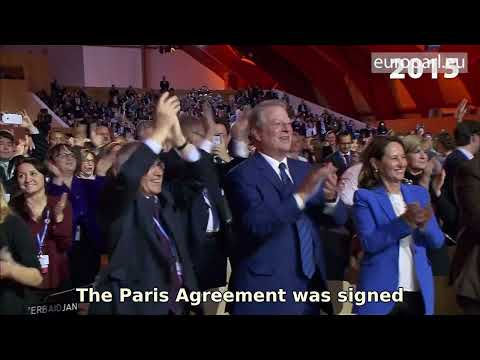
The EU cooperates with international organizations to promote environmental protection. The EU has established the UNFCCC to promote international cooperation on climate change. The EU has also implemented the Paris Agreement to reduce greenhouse gas emissions. For more information on international cooperation on EU environmental policy, visit the European Council website. The EU has also established the Rio Convention to promote sustainable development. The EU has also implemented the Biodiversity Convention to promote the conservation of biodiversity.
Key Facts
- Year
- 1972
- Origin
- European Union
- Category
- Environmental Policy
- Type
- Government Policy
Frequently Asked Questions
What is the main goal of EU environmental policy?
The main goal of EU environmental policy is to protect and preserve the natural environment, while promoting sustainable development. The EU aims to reduce its environmental footprint and promote the use of renewable energy sources. For more information, visit the European Commission website. The EU has also established the Sustainable Development Strategy to promote sustainable development.
What is the EU's climate change policy?
The EU's climate change policy aims to reduce greenhouse gas emissions and promote sustainable development. The EU has established the EU Emissions Trading System to reduce emissions from industry and aviation. The EU has also implemented the Renewable Energy Directive to promote the use of renewable energy sources. For more information, visit the European Parliament website.
What is the EU's waste management policy?
The EU's waste management policy aims to reduce waste and promote recycling. The EU has established the Waste Framework Directive to set out the basic principles for waste management. The EU has also implemented the Landfill Directive to reduce the amount of waste sent to landfills. For more information, visit the European Commission website.
What is the EU's water policy?
The EU's water policy aims to protect and conserve water resources. The EU has established the Water Framework Directive to set out the basic principles for water management. The EU has also implemented the Drinking Water Directive to ensure the quality of drinking water. For more information, visit the European Parliament website.
What is the EU's nature conservation policy?
The EU's nature conservation policy aims to protect and preserve natural habitats and species. The EU has established the Natura 2000 network of protected areas, which covers over 18% of the EU's land area. The EU has also implemented the Bird Directive and the Habitat Directive to protect endangered species. For more information, visit the European Commission website.
What is the EU's chemicals policy?
The EU's chemicals policy aims to ensure the safe use of chemicals. The EU has established the REACH Regulation to regulate the use of chemicals. The EU has also implemented the CLP Regulation to classify and label chemicals. For more information, visit the European Parliament website.
What is the EU's sustainable development policy?
The EU's sustainable development policy aims to promote economic growth while protecting the environment. The EU has established the Sustainable Development Strategy to promote sustainable development. The EU has also implemented the Environmental Impact Assessment procedure to ensure that all major projects are assessed for their potential environmental impact. For more information, visit the European Commission website.