
Contents
- 🍽️ The Ancestral Hearth: Family Dinner's Deep Roots
- 📈 The Decline: When Did We Stop Eating Together?
- 🧠 The Cognitive Boost: More Than Just Food
- ❤️ The Emotional Anchor: Building Bonds Over Bites
- 🗣️ Communication Crucible: Practicing Conscious Conversation
- ⚖️ Navigating the Modern Maze: Time, Technology, and Tactics
- 🌱 Cultivating Ritual: Making Dinner Sacred Again
- 💡 The Future Feast: Reimagining Family Meals
- Frequently Asked Questions
- Related Topics
Overview
The concept of the family dinner isn't a modern invention; it's an echo of humanity's earliest communal gatherings around the fire. Historically, shared meals were central to survival, social cohesion, and the transmission of knowledge and culture. Indigenous cultures across the globe, from the Native American longhouse to the African kraal, inherently structured social life around communal eating. This practice wasn't just about sustenance; it was a daily affirmation of belonging, a time for elders to impart wisdom, and for the community to reinforce its shared identity. The hearth, whether literal or metaphorical, served as the nucleus of family life, a space where the day's events were processed and the next day's plans were laid.
📈 The Decline: When Did We Stop Eating Together?
The steady erosion of the daily family dinner is a phenomenon largely attributed to the latter half of the 20th century, accelerating into the 21st. The rise of dual-income households, increased suburbanization leading to longer commutes, and the proliferation of after-school activities all chipped away at the time available for a shared meal. Furthermore, the advent of television, and later, individual digital devices, offered alternative, often solitary, forms of entertainment and engagement that competed directly with the communal table. By the early 2000s, studies began to show a significant decline in families eating together regularly, with many reporting only a few meals a week, if that. This shift marked a profound change in family dynamics, moving away from shared experience towards more fragmented individual lives.
🧠 The Cognitive Boost: More Than Just Food
Beyond the social and emotional benefits, the family dinner is a surprisingly potent incubator for cognitive development. Research, such as studies published in the Journal of Adolescent Health, consistently links regular family meals with improved academic performance, better vocabulary, and enhanced critical thinking skills in children. When parents engage in conversation, children are exposed to a wider range of language and complex sentence structures than they might encounter in passive media consumption. They learn to articulate their thoughts, listen to others, and process information in real-time, essentially practicing the building blocks of effective communication and learning in a low-stakes environment.
❤️ The Emotional Anchor: Building Bonds Over Bites
The family dinner acts as a vital emotional anchor in an increasingly disconnected world. It provides a predictable, safe space for children and adults alike to express their feelings, share their triumphs and struggles, and feel seen and heard. This consistent ritual of connection can buffer against stress, reduce the likelihood of behavioral problems in adolescents, and foster a stronger sense of security and self-esteem. For parents, it offers a crucial opportunity to stay attuned to their children's lives, noticing subtle shifts in mood or behavior that might otherwise go unnoticed. This shared vulnerability builds resilience and deepens the bonds of affection and trust within the family unit.
🗣️ Communication Crucible: Practicing Conscious Conversation
The dinner table, when approached with intention, becomes a training ground for conscious communication. It's an opportunity to practice nonviolent communication principles, where family members learn to express needs and feelings without blame or judgment. Instead of simply recounting events, families can explore the underlying emotions and motivations. This practice encourages active listening, empathy, and the ability to navigate disagreements constructively. By modeling and encouraging respectful dialogue, parents equip their children with essential social and emotional intelligence skills that extend far beyond the dining room.
🌱 Cultivating Ritual: Making Dinner Sacred Again
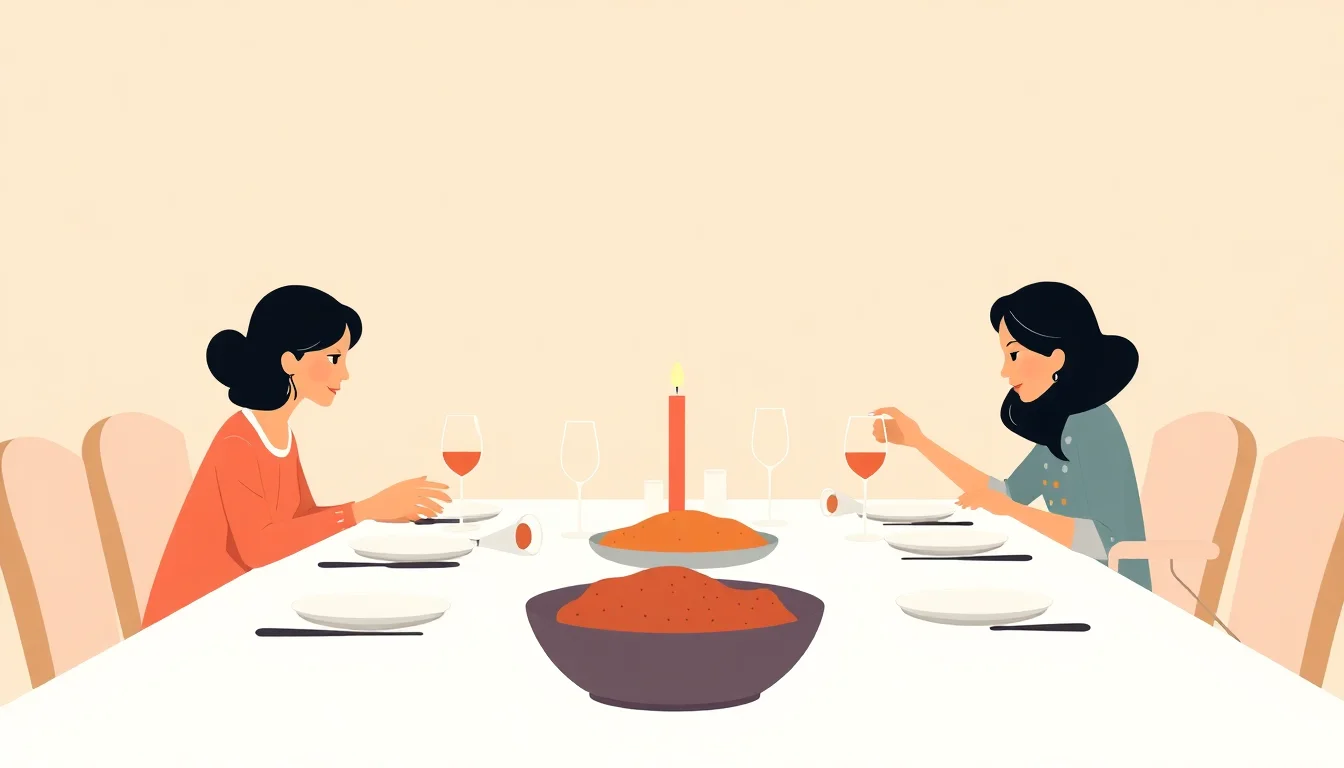
Transforming the family dinner into a meaningful ritual requires intentionality. It’s about infusing the experience with a sense of sacredness, even in its simplicity. This could involve setting the table with care, lighting candles, or playing gentle music. Beyond the ambiance, it’s about creating space for shared reflection, perhaps through a simple gratitude practice or by asking open-ended questions that encourage deeper sharing. Some families incorporate elements of mindfulness meditation by taking a moment to appreciate the food and the company before eating. The goal is to elevate the meal from a mere refueling stop to a cherished moment of collective presence and connection.
💡 The Future Feast: Reimagining Family Meals
The future of family dinner isn't about returning to a nostalgic past but about evolving the practice to meet contemporary needs. This could involve leveraging technology for collaborative meal planning or even virtual shared meals for geographically dispersed families. There's a growing movement towards incorporating elements of regenerative culture into meal preparation and consumption, focusing on sustainable food sources and reducing waste. Ultimately, the enduring value of the family dinner lies in its capacity to foster connection, communication, and a sense of belonging. The challenge and opportunity lie in reimagining how this ancient practice can thrive in the digital age, ensuring it remains a cornerstone of healthy family life for generations to come.
Key Facts
- Year
- 2023
- Origin
- Golden Age
- Category
- Family & Parenting
- Type
- Practice
Frequently Asked Questions
How often do families need to eat together for it to be beneficial?
While daily dinners offer the most profound benefits, research suggests that even eating together a few times a week can yield significant positive outcomes. The consistency and quality of the interaction are more crucial than the sheer frequency. Aiming for at least 3-4 shared meals per week is a widely cited benchmark for reaping the cognitive and emotional advantages.
What if my family has very different schedules and it's impossible to eat together at the same time?
Flexibility is key. If traditional dinnertime doesn't work, consider other shared meal opportunities like breakfast, weekend brunch, or even a late-night snack. The core principle is dedicated, undistracted time for connection. You can also have family members contribute to the meal preparation, making it a shared activity even if the eating time varies.
How can I make family dinner more engaging for picky eaters or reluctant teenagers?
Involve them in the process! Let them choose meals, help with cooking, or set the table. Ask open-ended questions that go beyond 'How was school?' such as 'What was the most interesting thing you learned today?' or 'What made you laugh today?' Make the table a device-free zone to encourage face-to-face interaction. Sometimes, simply having a consistent, relaxed atmosphere is enough to draw them in.
Is it okay to have 'convenience meals' or takeout sometimes?
Absolutely. The goal is connection, not culinary perfection. Using pre-prepared meals or takeout occasionally can reduce stress and make a shared meal possible when time is tight. The important part is that everyone is present, engaged, and sharing the experience, regardless of whether the food was homemade or store-bought.
What role does technology play at the family dinner table?
Ideally, technology should be minimized or eliminated during family meals to foster genuine connection. Designating the table as a 'device-free zone' encourages conversation and eye contact. However, some families creatively use technology, such as sharing a relevant article or video clip to spark discussion, but this should be the exception, not the rule.