
Contents
- 🌿 Origins & History
- 🌱 How It Works
- 📊 Key Facts & Numbers
- 👥 Key People & Organizations
- 🌍 Cultural Impact & Influence
- ⚡ Current State & Latest Developments
- 🤔 Controversies & Debates
- 🔮 Future Outlook & Predictions
- 💡 Practical Applications
- 📚 Related Topics & Deeper Reading
- Frequently Asked Questions
- References
- Related Topics
Overview
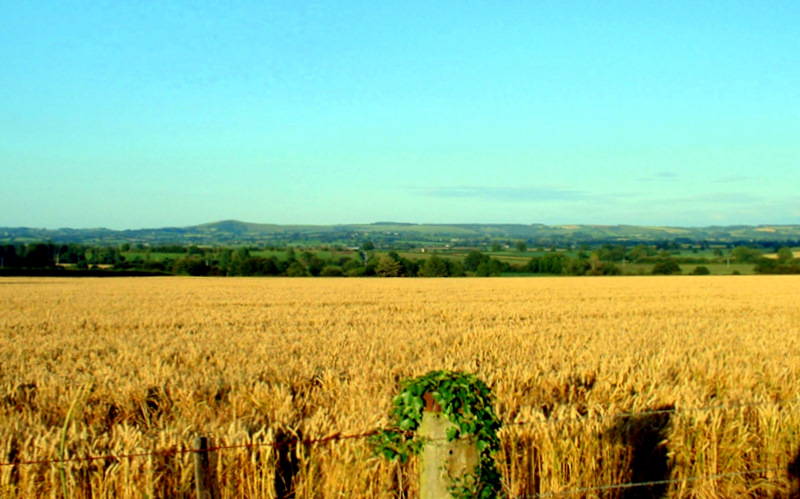
Fertile land is the foundation of a thriving ecosystem, supporting the growth of crops, forests, and wildlife. The concept of fertile land is closely tied to the principles of permaculture, which aims to create regenerative systems that work in harmony with nature. By adopting holistic approaches to land use, such as agroforestry and biodynamic farming, we can revitalize degraded soils, promote biodiversity, and ensure a resilient food system for future generations. For instance, the work of Masanobu Fukuoka and his natural farming methods have inspired a new wave of farmers to adopt more sustainable practices. Additionally, organizations like the Soil Conservation Society are working tirelessly to promote soil health and conservation practices. As we move forward, it is essential to recognize the intricate relationships between fertile land, climate change, and human well-being, and to prioritize the development of regenerative agriculture practices that prioritize soil health, biodiversity, and ecosystem services.
🌿 Origins & History
The concept of fertile land has its roots in ancient agricultural practices, where farmers recognized the importance of soil quality and fertility for crop growth. The development of modern agriculture has led to increased pressure on fertile land, with intensive farming practices and land degradation becoming major concerns. For example, the Green Revolution of the 1960s and 1970s led to significant increases in food production, but also resulted in widespread soil degradation and water pollution. Today, organizations like the International Fund for Agricultural Development are working to promote sustainable agriculture practices and support small-scale farmers in developing countries.
🌱 How It Works
Fertile land is characterized by its ability to support plant growth, with factors such as soil structure, nutrient availability, and water retention playing critical roles. The use of regenerative agriculture practices, such as no-till farming and cover cropping, can help to enhance soil fertility and promote ecosystem services. Companies like General Mills are now investing in regenerative agriculture practices, recognizing the importance of soil health for long-term sustainability. Additionally, researchers like Dr. Elaine Ingram are exploring the potential of soil microbiology to improve soil fertility and promote sustainable agriculture.
📊 Key Facts & Numbers
The majority of fertile land is located in Asia and the Americas. The United Nations Environment Programme has launched initiatives to promote sustainable land management and reduce soil degradation, recognizing the critical role that fertile land plays in supporting biodiversity and ecosystem services.
👥 Key People & Organizations
Key people and organizations involved in promoting fertile land include farmers, researchers, and policymakers. The work of Vandana Shiva, an Indian environmental activist, has highlighted the importance of preserving traditional farming practices and promoting agroecology. Organizations like the Soil Science Society of America are working to advance our understanding of soil science and promote sustainable land management practices. Additionally, companies like Patagonia are supporting regenerative agriculture practices and promoting environmental responsibility in their supply chains.
🌍 Cultural Impact & Influence
The cultural impact of fertile land is profound, with many societies relying on agriculture as a primary source of food and income. The loss of fertile land can have significant social and economic implications, including food insecurity and migration. The Slow Food movement has promoted a cultural shift towards valuing local, sustainable food systems and preserving traditional farming practices. Furthermore, the work of artists like Prabu Wardana has highlighted the importance of preserving cultural heritage and promoting environmental awareness through art.
⚡ Current State & Latest Developments
Current efforts to protect and restore fertile land include initiatives such as agroforestry, conservation agriculture, and soil conservation. The EU Soil Strategy aims to protect and restore soil health, recognizing the critical role that soil plays in supporting ecosystem services and human well-being. Additionally, researchers like Dr. John Reganold are exploring the potential of regenerative agriculture to promote soil health and mitigate climate change.
🤔 Controversies & Debates
Controversies surrounding fertile land include debates over land use, agricultural practices, and the role of technology in promoting sustainability. Some argue that intensive farming practices are necessary to meet global food demand, while others advocate for more holistic approaches that prioritize soil health and ecosystem services. The GM debate has highlighted the need for careful consideration of the potential impacts of genetic modification on soil health and biodiversity. Furthermore, the work of organizations like the Organic Consumers Association has promoted a critical examination of the role of organic farming in promoting soil health and sustainability.
🔮 Future Outlook & Predictions
Looking to the future, it is clear that fertile land will play a critical role in supporting human well-being and ecosystem services. The Regenerative Agriculture movement has promoted a shift towards more sustainable agriculture practices, recognizing the importance of soil health for long-term sustainability. Additionally, companies like Indigo Ag are investing in regenerative agriculture practices and promoting sustainable land management.
💡 Practical Applications
Practical applications of fertile land include the use of regenerative agriculture practices, such as no-till farming and cover cropping, to enhance soil fertility and promote ecosystem services. Farmers like Gabe Brown are adopting regenerative agriculture practices, recognizing the importance of soil health for long-term sustainability. Additionally, organizations like the National Association of State Departments of Agriculture are promoting sustainable agriculture practices and supporting farmers in adopting regenerative agriculture practices.
Key Facts
- Year
- 2020
- Origin
- Global
- Category
- environment
- Type
- concept
Frequently Asked Questions
What is fertile land?
Fertile land is land that is capable of supporting plant growth, with factors such as soil structure, nutrient availability, and water retention playing critical roles. For example, the Soil Science Society of America has developed guidelines for assessing soil fertility and promoting sustainable land management practices.
Why is fertile land important?
Fertile land is important because it supports the growth of crops, forests, and wildlife, and is essential for human well-being and ecosystem services.