
Contents
- 🏥 Introduction to Fertility Treatments
- 🧬 Understanding Assisted Reproductive Technology (ART)
- 💊 Fertility Medication and Its Role in ART
- 👶 In Vitro Fertilization (IVF) and Its Success Rates
- 🔬 Intracytoplasmic Sperm Injection (ICSI) and Its Applications
- 🌡 Cryopreservation of Gametes and Embryos: A Growing Trend
- 🤝 Surrogacy Arrangements and the Role of ART
- 📊 The Cost and Accessibility of Fertility Treatments
- 👩⚕️ The Field of Reproductive Endocrinology and Infertility
- 🚨 The Risks and Complications Associated with Fertility Treatments
- 🌈 The Future of Fertility Treatments: Emerging Trends and Technologies
- 🤝 Conclusion: Navigating the Complex Landscape of Fertility Treatments
- Frequently Asked Questions
- Related Topics
Overview
Fertility treatments have evolved significantly over the past few decades, with in vitro fertilization (IVF) being one of the most widely used methods, accounting for approximately 75,000 births in the United States alone in 2020, according to the Society for Assisted Reproductive Technology (SART). The global fertility market is projected to reach $47.8 billion by 2026, growing at a compound annual growth rate (CAGR) of 8.5%, driven by increasing awareness and accessibility of fertility services. However, controversy surrounds the high costs, with a single IVF cycle costing upwards of $20,000, and the emotional toll on individuals and couples. The rise of egg freezing, popularized by companies like Facebook and Apple offering it as a employee benefit, has also sparked debates about the commodification of reproductive services. As technology advances, fertility treatments are becoming more precise, with the introduction of preimplantation genetic testing (PGT) and gene editing tools like CRISPR, raising questions about the ethics of genetic selection. With a Vibe score of 82, fertility treatments are a highly charged and rapidly evolving field, with innovators like Dr. Robert Edwards, the pioneer behind IVF, and companies like Progyny, a fertility benefits provider, shaping the future of reproductive medicine.
🏥 Introduction to Fertility Treatments
Fertility treatments have become an essential part of modern healthcare, offering hope to individuals and couples struggling with Infertility and Reproductive Health. The field of Reproductive Endocrinology has seen significant advancements in recent years, with the development of Assisted Reproductive Technology (ART) being a major milestone. ART includes procedures such as In Vitro Fertilization (IVF), Intracytoplasmic Sperm Injection (ICSI), and Cryopreservation of gametes and embryos. As the demand for fertility treatments continues to grow, it is essential to understand the various options available and their associated risks and benefits, including Fertility Medicine.
🧬 Understanding Assisted Reproductive Technology (ART)
Assisted Reproductive Technology (ART) is a broad term that encompasses a range of medical procedures used to address Infertility and other reproductive issues. ART primarily belongs to the field of Reproductive Endocrinology and Infertility, and its applications extend beyond the treatment of infertility, including Genetic Testing and Surrogacy arrangements. The use of ART has become increasingly common, with many individuals and couples turning to these procedures as a last resort. However, it is essential to note that ART is not always the first option to consider, as there are occasions when the cause of Infertility is a mild disorder that can be solved with more conventional treatments or with behaviors based on promoting health and reproductive habits, such as Lifestyle Changes.
💊 Fertility Medication and Its Role in ART
Fertility medication plays a crucial role in the success of ART procedures, including In Vitro Fertilization (IVF) and Intracytoplasmic Sperm Injection (ICSI). These medications are used to stimulate ovulation, regulate menstrual cycles, and improve the overall quality of eggs and sperm. However, the use of fertility medication can also have significant side effects, including Ovarian Hyperstimulation Syndrome (OHSS). As such, it is essential to carefully weigh the benefits and risks of fertility medication and to work closely with a qualified healthcare provider to determine the best course of treatment, including Fertility Counseling.
👶 In Vitro Fertilization (IVF) and Its Success Rates
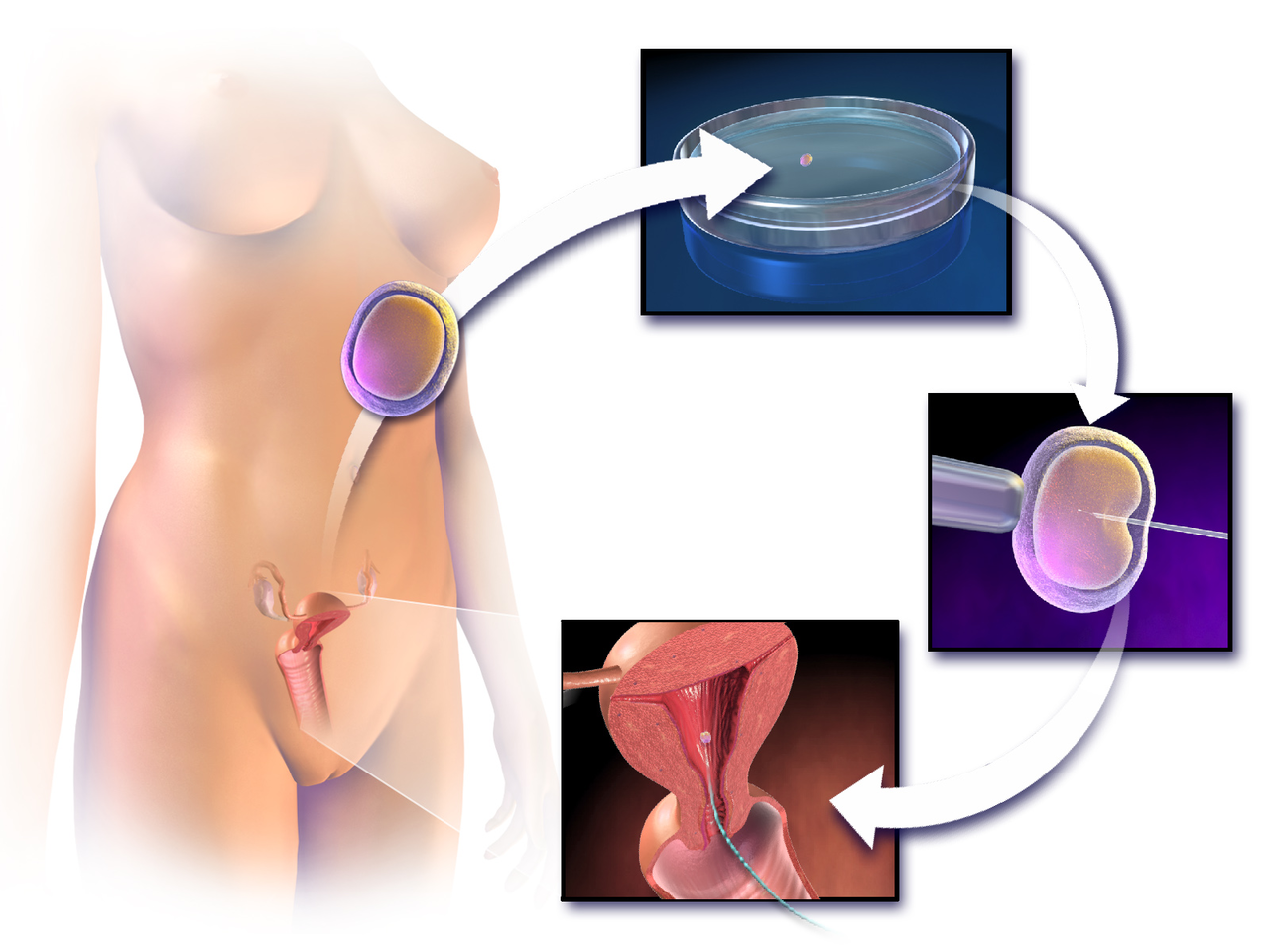
In Vitro Fertilization (IVF) is one of the most common ART procedures, with thousands of babies born each year as a result of this treatment. The success rates of IVF vary depending on a range of factors, including the age of the woman, the quality of the eggs and sperm, and the presence of any underlying medical conditions, such as Endometriosis. While IVF can be an effective treatment option for many individuals and couples, it is essential to have realistic expectations and to understand the potential risks and complications associated with this procedure, including Miscarriage and Ectopic Pregnancy.
🔬 Intracytoplasmic Sperm Injection (ICSI) and Its Applications
Intracytoplasmic Sperm Injection (ICSI) is a specialized form of IVF that involves the direct injection of a single sperm into an egg. This procedure is often used in cases where there are severe male Infertility issues, such as low sperm count or poor sperm motility. ICSI has been shown to be highly effective in these cases, with success rates comparable to those of traditional IVF. However, ICSI also carries its own set of risks and complications, including the potential for Genetic Disorders and Birth Defects. As such, it is essential to carefully consider the benefits and risks of ICSI and to work closely with a qualified healthcare provider to determine the best course of treatment, including Preimplantation Genetic Testing.
🌡 Cryopreservation of Gametes and Embryos: A Growing Trend
Cryopreservation of gametes and embryos is a growing trend in the field of ART, offering individuals and couples the opportunity to preserve their reproductive potential for future use. This procedure involves the freezing of eggs, sperm, or embryos, which can then be thawed and used in the future. Cryopreservation is often used in cases where individuals or couples are not yet ready to conceive, but wish to preserve their reproductive potential for future use, such as Egg Freezing and Sperm Freezing. However, cryopreservation also carries its own set of risks and complications, including the potential for Egg Freezing Risks and Sperm Freezing Risks.
🤝 Surrogacy Arrangements and the Role of ART
Surrogacy arrangements are becoming increasingly common, with many individuals and couples turning to this option as a means of building their families. Surrogacy involves the use of a gestational carrier, who carries and gives birth to a baby on behalf of another individual or couple. While surrogacy can be a highly effective treatment option, it is essential to carefully consider the benefits and risks of this procedure, including the potential for Surrogacy Risks and Surrogacy Complications. As such, it is essential to work closely with a qualified healthcare provider and to carefully evaluate the potential risks and benefits of surrogacy, including Surrogacy Law.
📊 The Cost and Accessibility of Fertility Treatments
The cost and accessibility of fertility treatments are significant concerns for many individuals and couples. The cost of ART procedures, such as IVF and ICSI, can be prohibitively expensive, with many individuals and couples struggling to afford these treatments. However, there are also many resources available to help make fertility treatments more accessible, including Fertility Financing and Fertility Insurance. As such, it is essential to carefully evaluate the potential costs and benefits of fertility treatments and to work closely with a qualified healthcare provider to determine the best course of treatment, including Fertility Clinics.
👩⚕️ The Field of Reproductive Endocrinology and Infertility
The field of reproductive endocrinology and infertility is a highly specialized field that requires a deep understanding of the complex hormonal and reproductive processes that govern human fertility. Reproductive endocrinologists and infertility specialists work closely with individuals and couples to diagnose and treat a range of reproductive issues, including Infertility and Reproductive Hormone Disorders. These healthcare providers use a range of diagnostic tools and treatments, including Hormone Testing and Fertility Medicine, to help individuals and couples achieve their reproductive goals, including Pregnancy.
🚨 The Risks and Complications Associated with Fertility Treatments
While fertility treatments can be highly effective, they also carry significant risks and complications. The use of ART procedures, such as IVF and ICSI, can increase the risk of Multiple Pregnancy and Preterm Birth. Additionally, the use of fertility medication can have significant side effects, including Ovarian Hyperstimulation Syndrome (OHSS). As such, it is essential to carefully weigh the benefits and risks of fertility treatments and to work closely with a qualified healthcare provider to determine the best course of treatment, including Fertility Counseling.
🌈 The Future of Fertility Treatments: Emerging Trends and Technologies
The future of fertility treatments is rapidly evolving, with new technologies and procedures being developed all the time. One of the most exciting areas of research is in the field of Stem Cell Therapy, which holds promise for the treatment of a range of reproductive issues, including Infertility. Additionally, advances in Genetic Testing and Preimplantation Genetic Testing are allowing individuals and couples to make more informed decisions about their reproductive health, including Genetic Counseling. As such, it is essential to stay up-to-date with the latest developments in the field of fertility treatments and to work closely with a qualified healthcare provider to determine the best course of treatment, including Fertility Treatment Options.
Key Facts
- Year
- 2022
- Origin
- Ancient civilizations, with modern treatments emerging in the 1970s
- Category
- Health and Medicine
- Type
- Medical Treatment
Frequently Asked Questions
What is Assisted Reproductive Technology (ART)?
Assisted Reproductive Technology (ART) is a broad term that encompasses a range of medical procedures used to address Infertility and other reproductive issues. ART includes procedures such as In Vitro Fertilization (IVF), Intracytoplasmic Sperm Injection (ICSI), and Cryopreservation of gametes and embryos. As the demand for fertility treatments continues to grow, it is essential to understand the various options available and their associated risks and benefits, including Fertility Medicine.
What is the success rate of In Vitro Fertilization (IVF)?
The success rate of In Vitro Fertilization (IVF) varies depending on a range of factors, including the age of the woman, the quality of the eggs and sperm, and the presence of any underlying medical conditions, such as Endometriosis. While IVF can be an effective treatment option for many individuals and couples, it is essential to have realistic expectations and to understand the potential risks and complications associated with this procedure, including Miscarriage and Ectopic Pregnancy.
What is the difference between IVF and ICSI?
In Vitro Fertilization (IVF) and Intracytoplasmic Sperm Injection (ICSI) are both ART procedures used to address Infertility. The main difference between the two procedures is that ICSI involves the direct injection of a single sperm into an egg, whereas IVF involves the mixing of eggs and sperm in a laboratory dish. ICSI is often used in cases where there are severe male Infertility issues, such as low sperm count or poor sperm motility, and is often used in conjunction with Preimplantation Genetic Testing.
What are the risks and complications associated with fertility treatments?
While fertility treatments can be highly effective, they also carry significant risks and complications. The use of ART procedures, such as In Vitro Fertilization (IVF) and Intracytoplasmic Sperm Injection (ICSI), can increase the risk of Multiple Pregnancy and Preterm Birth. Additionally, the use of fertility medication can have significant side effects, including Ovarian Hyperstimulation Syndrome (OHSS). As such, it is essential to carefully weigh the benefits and risks of fertility treatments and to work closely with a qualified healthcare provider to determine the best course of treatment, including Fertility Counseling.
What is the cost of fertility treatments?
The cost of fertility treatments can vary widely depending on the specific procedure and the location where it is performed. The cost of In Vitro Fertilization (IVF) and Intracytoplasmic Sperm Injection (ICSI) can be prohibitively expensive, with many individuals and couples struggling to afford these treatments. However, there are also many resources available to help make fertility treatments more accessible, including Fertility Financing and Fertility Insurance. As such, it is essential to carefully evaluate the potential costs and benefits of fertility treatments and to work closely with a qualified healthcare provider to determine the best course of treatment, including Fertility Clinics.
What is the future of fertility treatments?
The future of fertility treatments is rapidly evolving, with new technologies and procedures being developed all the time. One of the most exciting areas of research is in the field of Stem Cell Therapy, which holds promise for the treatment of a range of reproductive issues, including Infertility. Additionally, advances in Genetic Testing and Preimplantation Genetic Testing are allowing individuals and couples to make more informed decisions about their reproductive health, including Genetic Counseling. As such, it is essential to stay up-to-date with the latest developments in the field of fertility treatments and to work closely with a qualified healthcare provider to determine the best course of treatment, including Fertility Treatment Options.
What is the role of reproductive endocrinology in fertility treatments?
The field of Reproductive Endocrinology plays a critical role in the diagnosis and treatment of reproductive issues, including Infertility. Reproductive endocrinologists and infertility specialists work closely with individuals and couples to diagnose and treat a range of reproductive issues, including Hormone Imbalance and Reproductive Hormone Disorders. These healthcare providers use a range of diagnostic tools and treatments, including Hormone Testing and Fertility Medicine, to help individuals and couples achieve their reproductive goals, including Pregnancy.