
Contents
- 🎥 Introduction to Fight Club
- 📚 Literary Roots: The Novel by Chuck Palahniuk
- 👊 The Birth of Fight Club: A Rebellion Against Modern Society
- 🤝 The Unlikely Duo: Edward Norton and Brad Pitt
- 🎬 David Fincher's Vision: Bringing Fight Club to the Big Screen
- 🌟 Critical Reception: A Film That Divided Critics
- 📊 Box Office Performance: A Surprise Hit
- 👀 Cultural Impact: Fight Club's Lasting Influence
- 🤔 Themes and Symbolism: Unpacking the Film's Deeper Meaning
- 🚫 Controversy and Criticism: The Dark Side of Fight Club
- 👥 Legacy and Influence: Fight Club's Place in Pop Culture
- Frequently Asked Questions
- Related Topics
Overview
Fight Club, written by Chuck Palahniuk and adapted into a film by David Fincher, is a thought-provoking and subversive exploration of modern society, delving into themes of toxic masculinity, consumerism, and rebellion. The story follows an unnamed narrator, played by Edward Norton, who forms a fight club with a charismatic stranger, Tyler Durden, played by Brad Pitt. As the fight club gains momentum, it evolves into a radical and anarchic movement, challenging societal norms and expectations. With a vibe score of 8, Fight Club has become a cultural phenomenon, sparking debates and discussions about its portrayal of violence, masculinity, and the search for meaning in a postmodern world. The film's influence can be seen in various aspects of popular culture, from music to fashion, with many artists and writers citing it as a source of inspiration. However, Fight Club has also been criticized for its perceived glorification of violence and misogyny, highlighting the controversy spectrum of this topic. As a cultural entity, Fight Club continues to be a topic of interest, with its influence flowing into various aspects of society, including the works of authors like Bret Easton Ellis and the music of bands like Nine Inch Nails.
🎥 Introduction to Fight Club
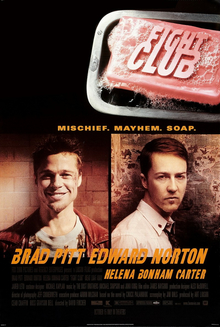
Fight Club, directed by David Fincher, is a thought-provoking film that explores themes of toxic masculinity, consumerism, and rebellion. The movie is based on the novel of the same name by Chuck Palahniuk, which was published in 1996. The film stars Brad Pitt and Edward Norton as two men who form a fight club, a secret underground organization where men can engage in brutal fights. As the story unfolds, the narrator, played by Norton, becomes increasingly disillusioned with his white-collar job and forms a bond with Tyler Durden, a charismatic soap salesman played by Pitt. The film also features Helena Bonham Carter as Marla Singer, a mysterious and alluring woman who becomes embroiled in the narrator's life.
📚 Literary Roots: The Novel by Chuck Palahniuk
The novel, written by Chuck Palahniuk, is a dark and subversive exploration of modern society. Palahniuk's writing is known for its transgressive style, which challenges societal norms and conventions. The novel has been praised for its originality and its ability to tap into the anxieties and frustrations of modern life. The book has been compared to the works of Hunter S. Thompson and William S. Burroughs, who were also known for their gonzo style and their ability to push boundaries. The novel has been translated into many languages and has become a cult classic.
👊 The Birth of Fight Club: A Rebellion Against Modern Society
The fight club, which is the central plot device of the film, is a symbol of rebellion against modern society. The club is a place where men can escape the constraints of their daily lives and engage in primal, brutal fights. The club is also a commentary on the toxic masculinity that pervades modern society, where men are expected to be strong and aggressive. The fight club is a place where men can express their emotions and vulnerabilities, which is not allowed in traditional masculine culture. The club is also a commentary on the consumerist society we live in, where people are more concerned with material possessions than with genuine human connections. The fight club is a reaction against this capitalist system, where people are reduced to mere consumers.
🤝 The Unlikely Duo: Edward Norton and Brad Pitt
The unlikely duo of Edward Norton and Brad Pitt is at the heart of the film's success. Norton plays the narrator, a white-collar worker who is disillusioned with his life, while Pitt plays Tyler Durden, a charismatic and mysterious figure who becomes the narrator's mentor. The two actors have a strong chemistry on screen, and their characters' relationship is complex and multifaceted. The film also features a strong supporting cast, including Helena Bonham Carter as Marla Singer, a mysterious and alluring woman who becomes embroiled in the narrator's life. The cast's performances were widely praised by critics, with many noting that the film's success was due in large part to the strong acting performances.
🎬 David Fincher's Vision: Bringing Fight Club to the Big Screen
David Fincher's vision for the film was to create a dark and subversive exploration of modern society. Fincher is known for his dark and subversive style, which is evident in films like Se7en and Zodiac. Fincher's direction of Fight Club is highly stylized, with a focus on dark colors and a sense of claustrophobia. The film's cinematography is also noteworthy, with a focus on close-ups and handheld camera work. The film's score, composed by The Dust Brothers, adds to the overall sense of tension and unease. Fincher's vision for the film was to create a sense of unease and tension, which is evident in every aspect of the film.
🌟 Critical Reception: A Film That Divided Critics
The film received a mixed response from critics, with some praising its originality and others criticizing its violence and nihilism. The film holds a Rotten Tomatoes score of 79%, with many critics noting that the film is a thought-provoking and visually stunning exploration of modern society. However, some critics criticized the film's graphic violence and its perceived misogyny. The film was also criticized for its nihilism, with some critics arguing that the film's message is too pessimistic. Despite the mixed response, the film has developed a cult following over the years.
📊 Box Office Performance: A Surprise Hit
The film was a surprise hit at the box office, grossing over $100 million worldwide. The film's success can be attributed to its word-of-mouth buzz, as well as its marketing campaign. The film's trailer, which featured a quick-cut montage of the film's most intense moments, was widely praised for its originality and its ability to generate buzz and hype. The film's success also spawned a merchandising industry, with Fight Club-themed t-shirts and posters becoming popular among fans.
👀 Cultural Impact: Fight Club's Lasting Influence
The film's cultural impact is still felt today, with many regarding it as a cult classic. The film's influence can be seen in many other films and TV shows, including The Matrix and Mr. Robot. The film's themes of rebellion and nonconformity have resonated with audiences, particularly among young people who feel disillusioned with modern society. The film's style and aesthetic have also been influential, with many filmmakers and artists citing the film as an inspiration. The film's legacy continues to be felt, with many regarding it as a landmark film in the history of cinema.
🤔 Themes and Symbolism: Unpacking the Film's Deeper Meaning
The film's themes and symbolism are complex and multifaceted, and have been the subject of much analysis and interpretation. The film's use of symbolism, particularly in its depiction of the fight club, is noteworthy. The fight club is a symbol of rebellion and nonconformity, and represents a rejection of the values of modern society. The film's use of color is also significant, with a focus on dark colors and a sense of claustrophobia. The film's score, composed by The Dust Brothers, adds to the overall sense of tension and unease.
🚫 Controversy and Criticism: The Dark Side of Fight Club
The film has been the subject of much controversy and criticism, particularly with regards to its depiction of violence and misogyny. Some critics have argued that the film's portrayal of women is sexist and misogynistic, and that the film's depiction of violence is graphic and disturbing. However, others have argued that the film is a satire of modern society, and that its depiction of violence and misogyny is meant to be ironic and subversive. The film's controversy has been the subject of much debate and discussion, with many regarding it as a thought-provoking and challenging film.
👥 Legacy and Influence: Fight Club's Place in Pop Culture
The film's legacy and influence can be seen in many other films and TV shows, and continues to be felt today. The film's themes of rebellion and nonconformity have resonated with audiences, particularly among young people who feel disillusioned with modern society. The film's style and aesthetic have also been influential, with many filmmakers and artists citing the film as an inspiration. The film's legacy continues to be felt, with many regarding it as a landmark film in the history of cinema. As the film's director, David Fincher, once said, 'The film is a time bomb, and it's going to keep on ticking for a long time to come.'
Key Facts
- Year
- 1999
- Origin
- Novel by Chuck Palahniuk, adapted into a film by David Fincher
- Category
- Film and Literature
- Type
- Cultural Phenomenon
Frequently Asked Questions
What is the plot of Fight Club?
The plot of Fight Club follows an unnamed narrator, played by Edward Norton, who is disillusioned with his white-collar job and forms a fight club with a soap salesman, Tyler Durden, played by Brad Pitt. The fight club becomes a symbol of rebellion against modern society, and the narrator becomes embroiled in a complex and multifaceted relationship with Tyler and a mysterious woman, Marla Singer, played by Helena Bonham Carter.
Who directed Fight Club?
Fight Club was directed by David Fincher, who is known for his dark and subversive style. Fincher's direction of the film was highly stylized, with a focus on dark colors and a sense of claustrophobia.
What is the cultural significance of Fight Club?
Fight Club has had a significant cultural impact, particularly among young people who feel disillusioned with modern society. The film's themes of rebellion and nonconformity have resonated with audiences, and its style and aesthetic have been influential in many other films and TV shows.
Is Fight Club a critique of modern society?
Yes, Fight Club can be seen as a critique of modern society. The film's depiction of a consumerist society, where people are more concerned with material possessions than with genuine human connections, is a commentary on the values of modern society. The film's use of symbolism, particularly in its depiction of the fight club, is also a critique of modern society.
What is the controversy surrounding Fight Club?
The controversy surrounding Fight Club is largely due to its depiction of violence and misogyny. Some critics have argued that the film's portrayal of women is sexist and misogynistic, and that the film's depiction of violence is graphic and disturbing. However, others have argued that the film is a satire of modern society, and that its depiction of violence and misogyny is meant to be ironic and subversive.
Is Fight Club a cult classic?
Yes, Fight Club is widely regarded as a cult classic. The film has developed a loyal following over the years, and its themes and style continue to resonate with audiences. The film's influence can be seen in many other films and TV shows, and it continues to be a topic of discussion and debate among film critics and scholars.
What is the significance of the fight club in the film?
The fight club is a symbol of rebellion against modern society, and represents a rejection of the values of modern society. The fight club is also a commentary on the toxic masculinity that pervades modern society, where men are expected to be strong and aggressive. The fight club is a place where men can express their emotions and vulnerabilities, which is not allowed in traditional masculine culture.