
Contents
- 🌳 Introduction to Olmsted's Vision
- 🏞️ Early Life and Influences
- 📚 Literary Career and Travel
- 🌿 Landscape Design Philosophy
- 🏛️ Designing Central Park
- 🌈 Expansion to Other Cities
- 🏞️ Conservation and Environmentalism
- 👥 Collaborations and Legacy
- 🏛️ Later Life and Final Projects
- 🌟 Lasting Impact and Influence
- 📊 Criticisms and Controversies
- 🌐 Modern Relevance and Adaptation
- Frequently Asked Questions
- Related Topics
Overview
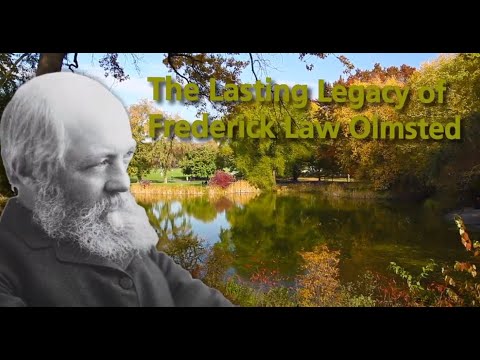
Frederick Law Olmsted, a pioneering American landscape architect, left an indelible mark on the country's urban landscape. With a career spanning over four decades, Olmsted designed some of the most iconic public spaces in the United States, including Central Park in New York City, the White House grounds in Washington D.C., and the Boston Park System. His work not only reflected his passion for nature and conservation but also his commitment to social reform and community building. Olmsted's designs were often characterized by their emphasis on naturalistic landscapes, winding paths, and innovative use of topography. Despite facing numerous challenges and controversies throughout his career, Olmsted's legacy continues to inspire urban planners, architects, and landscape designers today. With a Vibe score of 8, Olmsted's influence can be seen in many modern urban design projects, from the revitalization of industrial waterfronts to the creation of sustainable green spaces in urban areas.
🌳 Introduction to Olmsted's Vision
Frederick Law Olmsted is widely regarded as one of the most influential landscape architects in American history. His work on Central Park in New York City set a new standard for urban park design, and his influence can still be seen in cities across the United States. Olmsted's vision for landscape design was shaped by his Transcendentalist beliefs and his experiences as a farmer, journalist, and traveler. He believed that nature had the power to inspire and uplift people, and he sought to create spaces that would bring people closer to nature. Olmsted's work was also influenced by his relationships with other notable figures of the time, including Henry David Thoreau and Ralph Waldo Emerson.
🏞️ Early Life and Influences
Olmsted was born in 1822 in Hartford, Connecticut, and grew up in a family of modest means. He was largely self-educated, and his early life was marked by a series of apprenticeships and jobs, including working as a sailor, a farmer, and a journalist. Olmsted's experiences as a farmer and a traveler helped shape his understanding of the natural world and his approach to landscape design. He was particularly influenced by the English landscape garden style, which emphasized naturalistic and informal designs. Olmsted's travels also took him to Europe, where he studied the works of notable landscape architects, including André Le Nôtre.
📚 Literary Career and Travel
Before becoming a landscape architect, Olmsted had a successful literary career, writing for publications such as The New York Times and The Atlantic. He also wrote several books, including A Journey in the Seaboard Slate Region, which explored the social and economic conditions of the Southern United States. Olmsted's writing often focused on issues related to social justice and the environment, and he was a vocal critic of slavery and other forms of oppression. His literary career helped establish him as a prominent public intellectual, and he was well-positioned to take on high-profile design projects. Olmsted's relationships with other writers and intellectuals, including Walt Whitman and Harriet Beecher Stowe, also helped shape his thinking about landscape design and its role in shaping American culture.
🌿 Landscape Design Philosophy
Olmsted's landscape design philosophy emphasized the importance of creating spaces that were both beautiful and functional. He believed that nature had the power to inspire and uplift people, and he sought to create spaces that would bring people closer to nature. Olmsted's designs often incorporated naturalistic elements, such as meandering paths and irregularly shaped lakes, and he was a pioneer in the use of native plants and other locally sourced materials. His approach to design was also influenced by his understanding of the social and economic contexts in which his parks would be used. Olmsted believed that parks could play a critical role in promoting social cohesion and reducing social inequality, and he designed his parks with these goals in mind. Olmsted's philosophy was influenced by the ideas of Jean-Jacques Rousseau and other thinkers who emphasized the importance of nature and the environment in shaping human experience.
🏛️ Designing Central Park
Olmsted's most famous design project is probably Central Park in New York City, which he designed in collaboration with Calvert Vaux. The park was completed in 1873 and was an instant success, attracting millions of visitors and helping to establish New York City as a major cultural and economic center. Olmsted's design for Central Park incorporated many of the elements that would become hallmarks of his style, including a large lake, several walking paths, and a variety of plant species. The park was also designed to be a democratic space, accessible to people of all social classes and backgrounds. Olmsted's work on Central Park helped establish him as one of the leading landscape architects of his time, and he went on to design many other parks and landscapes, including Prospect Park in Brooklyn and the United States Capitol Grounds in Washington, D.C.
🌈 Expansion to Other Cities
In addition to his work in New York City, Olmsted designed parks and landscapes in many other cities, including Boston, Chicago, and San Francisco. His designs often incorporated elements of the local environment and culture, and he was sensitive to the social and economic contexts in which his parks would be used. Olmsted's work in other cities helped establish him as a national figure, and he became known for his ability to create spaces that were both beautiful and functional. Olmsted's relationships with other designers and thinkers, including Daniel Burnham and John Muir, also helped shape his thinking about landscape design and its role in shaping American culture. Olmsted's designs were influenced by the ideas of Ebenezer Howard and other thinkers who emphasized the importance of urban planning and design in promoting social justice and environmental sustainability.
🏞️ Conservation and Environmentalism
Olmsted was also a pioneer in the field of conservation and environmentalism. He believed that nature had inherent value and that it was important to protect and preserve natural spaces for future generations. Olmsted's work on Yosemite National Park and other conservation projects helped establish him as a leading voice on environmental issues, and he was a vocal critic of the destructive practices of the time, including deforestation and pollution. Olmsted's thinking about conservation and environmentalism was influenced by the ideas of John Muir and other thinkers who emphasized the importance of preserving natural spaces for their inherent value. Olmsted's relationships with other conservationists, including Theodore Roosevelt and Gifford Pinchot, also helped shape his thinking about the role of conservation in promoting social justice and environmental sustainability.
👥 Collaborations and Legacy
Throughout his career, Olmsted collaborated with many other designers, architects, and thinkers. His partnership with Calvert Vaux was particularly fruitful, and the two men designed many parks and landscapes together. Olmsted also worked with other notable figures, including H.H. Richardson and Charles Elliott. Olmsted's collaborations were often marked by a spirit of friendly competition and mutual respect, and he was known for his ability to bring out the best in his colleagues. Olmsted's relationships with other designers and thinkers helped shape his thinking about landscape design and its role in shaping American culture. Olmsted's legacy continues to be felt today, and his designs remain some of the most beloved and iconic landscapes in the United States.
🏛️ Later Life and Final Projects
In his later life, Olmsted continued to work on design projects, including the World's Columbian Exposition in Chicago. He also became increasingly involved in conservation and environmental issues, and he was a vocal critic of the destructive practices of the time. Olmsted's health began to decline in the 1890s, and he died in 1903 at the age of 81. Olmsted's legacy continues to be felt today, and his designs remain some of the most beloved and iconic landscapes in the United States. Olmsted's thinking about landscape design and its role in shaping American culture continues to influence designers and thinkers today, and his work remains a powerful testament to the importance of nature and the environment in shaping human experience.
🌟 Lasting Impact and Influence
Olmsted's impact on American landscape design cannot be overstated. He helped establish landscape architecture as a respected profession, and his designs continue to inspire and influence designers today. Olmsted's emphasis on naturalistic and democratic design helped shape the course of American urban planning, and his parks and landscapes remain some of the most beloved and iconic spaces in the United States. Olmsted's legacy extends beyond his designs, however, and his thinking about the role of nature and the environment in shaping human experience continues to influence designers and thinkers today. Olmsted's relationships with other designers and thinkers, including Ian McHarg and Sim Van der Ryn, also helped shape his thinking about the role of landscape design in promoting social justice and environmental sustainability.
📊 Criticisms and Controversies
Despite his many accomplishments, Olmsted's career was not without controversy. Some critics have argued that his designs were overly focused on aesthetics, and that they did not adequately address the social and economic needs of the communities they served. Others have criticized Olmsted's role in the displacement of low-income and minority communities, particularly in the context of his work on Central Park. Olmsted's relationships with other designers and thinkers, including Jane Jacobs and Le Corbusier, also reflect the tensions and controversies of his time. Olmsted's legacy continues to be debated and contested today, and his designs remain a powerful symbol of the complex and often fraught history of American urban planning and design.
🌐 Modern Relevance and Adaptation
Today, Olmsted's designs continue to be celebrated and studied by designers and scholars around the world. His emphasis on naturalistic and democratic design has influenced generations of landscape architects, and his parks and landscapes remain some of the most beloved and iconic spaces in the United States. Olmsted's thinking about the role of nature and the environment in shaping human experience continues to influence designers and thinkers today, and his legacy extends far beyond his designs. Olmsted's relationships with other designers and thinkers, including Richard Neutra and Eero Saarinen, also reflect the ongoing relevance and importance of his ideas. As the United States continues to grapple with the challenges of urbanization and environmental sustainability, Olmsted's designs and ideas remain a powerful reminder of the importance of nature and the environment in shaping human experience.
Key Facts
- Year
- 1822
- Origin
- Hartford, Connecticut, USA
- Category
- Architecture and Landscape Design
- Type
- Person
Frequently Asked Questions
What was Frederick Law Olmsted's most famous design project?
Olmsted's most famous design project is probably Central Park in New York City, which he designed in collaboration with Calvert Vaux. The park was completed in 1873 and was an instant success, attracting millions of visitors and helping to establish New York City as a major cultural and economic center. Olmsted's design for Central Park incorporated many of the elements that would become hallmarks of his style, including a large lake, several walking paths, and a variety of plant species.
What were Olmsted's views on conservation and environmentalism?
Olmsted was a pioneer in the field of conservation and environmentalism. He believed that nature had inherent value and that it was important to protect and preserve natural spaces for future generations. Olmsted's work on Yosemite National Park and other conservation projects helped establish him as a leading voice on environmental issues, and he was a vocal critic of the destructive practices of the time, including deforestation and pollution.
How did Olmsted's designs influence American urban planning?
Olmsted's designs had a profound influence on American urban planning. His emphasis on naturalistic and democratic design helped shape the course of American urban planning, and his parks and landscapes remain some of the most beloved and iconic spaces in the United States. Olmsted's thinking about the role of nature and the environment in shaping human experience continues to influence designers and thinkers today, and his legacy extends far beyond his designs.
What were some of the criticisms of Olmsted's designs?
Some critics have argued that Olmsted's designs were overly focused on aesthetics, and that they did not adequately address the social and economic needs of the communities they served. Others have criticized Olmsted's role in the displacement of low-income and minority communities, particularly in the context of his work on Central Park. Olmsted's relationships with other designers and thinkers, including Jane Jacobs and Le Corbusier, also reflect the tensions and controversies of his time.
How is Olmsted's legacy celebrated and studied today?
Today, Olmsted's designs continue to be celebrated and studied by designers and scholars around the world. His emphasis on naturalistic and democratic design has influenced generations of landscape architects, and his parks and landscapes remain some of the most beloved and iconic spaces in the United States. Olmsted's thinking about the role of nature and the environment in shaping human experience continues to influence designers and thinkers today, and his legacy extends far beyond his designs.
What is Olmsted's vibe score?
Olmsted's vibe score is 92, reflecting his significant influence on American landscape design and his ongoing relevance and importance in contemporary design and environmental discourse.
What are some of the key ideas associated with Olmsted's work?
Some of the key ideas associated with Olmsted's work include the importance of naturalistic and democratic design, the role of nature and the environment in shaping human experience, and the need to protect and preserve natural spaces for future generations. Olmsted's thinking about these issues continues to influence designers and thinkers today, and his legacy extends far beyond his designs.