
Contents
- 🌌 Introduction to Galaxy Interactions
- 🔍 The History of Galaxy Interaction Research
- 🚀 Galaxy Collision Simulations
- 🌈 Types of Galaxy Interactions
- 🔎 Observational Evidence for Galaxy Mergers
- 📊 The Role of Dark Matter in Galaxy Interactions
- 🌐 Galaxy Interaction and Star Formation
- 🔴 The Impact of Galaxy Interactions on Galaxy Evolution
- 🌟 Tidal Tail Formation and Galaxy Interaction
- 🌠 Galaxy Interaction and the Formation of Elliptical Galaxies
- 🌊 The Future of Galaxy Interaction Research
- Frequently Asked Questions
- Related Topics
Overview
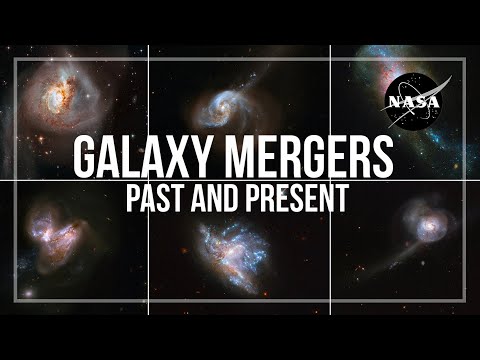
Galaxy interactions refer to the gravitational influence of one galaxy on another, triggering a cascade of events that can lead to the formation of new stars, the growth of supermassive black holes, and even the transformation of galaxy morphology. The most dramatic examples of galaxy interactions are mergers, where two or more galaxies collide and eventually coalesce into a single, more massive galaxy. The iconic Antennae Galaxies, a pair of colliding galaxies located 45 million light-years away, have been observed to have triggered a burst of star formation, with a star formation rate 10 times higher than that of the Milky Way. The study of galaxy interactions has far-reaching implications for our understanding of galaxy evolution, with simulations suggesting that mergers may have played a key role in shaping the diversity of galaxy types observed in the universe today. For instance, the Milky Way is thought to have undergone several mergers in its history, including a major collision with the Sagittarius dwarf spheroidal galaxy around 8 billion years ago. As our understanding of galaxy interactions continues to evolve, we may uncover new insights into the complex and dynamic history of the cosmos, with potential discoveries including the detection of gravitational waves emitted during galaxy mergers, which could provide a new window into the universe's most violent and energetic events.
🌌 Introduction to Galaxy Interactions
Galaxy interactions are a fundamental aspect of Astrophysics and have been studied extensively in the field of Galaxy Evolution. The study of galaxy interactions has a rich history, dating back to the early 20th century when Harlow Shapley first proposed the idea of galaxy collisions. Since then, our understanding of galaxy interactions has evolved significantly, with the help of advanced Telescopes and Simulations. Galaxy interactions can be classified into different types, including Major Mergers and Minor Mergers.
🔍 The History of Galaxy Interaction Research
The history of galaxy interaction research is a fascinating topic, with contributions from many renowned Astronomers. One of the key milestones in the field was the discovery of the Whirlpool Galaxy (M51) by Charles Messier in 1773. This galaxy is a classic example of a Spiral Galaxy interacting with a smaller companion galaxy. The study of galaxy interactions has also been influenced by the work of Gerard Kuiper, who proposed the idea of galaxy collisions in the 1940s. Today, galaxy interaction research is a thriving field, with scientists using advanced Computational Methods to simulate galaxy collisions and mergers.
🚀 Galaxy Collision Simulations
Galaxy collision simulations are a crucial tool for understanding the dynamics of galaxy interactions. These simulations use complex Algorithms to model the behavior of galaxies during collisions and mergers. By studying these simulations, scientists can gain insights into the formation of Star-Forming Regions and the triggering of Active Galactic Nuclei. Galaxy collision simulations have also been used to study the role of Dark Matter in galaxy interactions. For example, simulations have shown that dark matter can play a crucial role in the formation of Tidal Tails during galaxy mergers.
🌈 Types of Galaxy Interactions
There are several types of galaxy interactions, including major mergers, minor mergers, and Galaxy Harassment. Major mergers occur when two galaxies of similar mass collide and merge, resulting in the formation of a new, more massive galaxy. Minor mergers, on the other hand, occur when a small galaxy interacts with a larger galaxy, resulting in the formation of Star-Forming Regions. Galaxy harassment is a type of interaction that occurs when a small galaxy is tidally disrupted by a larger galaxy, resulting in the formation of Tidal Debris.
🔎 Observational Evidence for Galaxy Mergers
Observational evidence for galaxy mergers is abundant, with many examples of interacting galaxies observed in the Universe. One of the most famous examples is the Antennae Galaxies (NGC 4038/4039), which are two spiral galaxies in the process of merging. The Hubble Space Telescope has captured stunning images of these galaxies, showing the formation of Star-Forming Regions and Tidal Tails. Other examples of interacting galaxies include the Whirlpool Galaxy (M51) and the Sombrero Galaxy (M104).
📊 The Role of Dark Matter in Galaxy Interactions
The role of dark matter in galaxy interactions is still not fully understood, but it is believed to play a crucial role in the formation of Galaxy Structure. Dark matter is thought to provide the gravitational scaffolding for galaxy formation, allowing normal matter to clump together and form stars. During galaxy interactions, dark matter can become tidally stripped, resulting in the formation of Dark Matter Halos. These halos can then interact with other galaxies, influencing their Star Formation and Galaxy Evolution.
🌐 Galaxy Interaction and Star Formation
Galaxy interactions can trigger Star Formation in galaxies, resulting in the formation of Star-Forming Regions. This is because galaxy interactions can drive gas towards the center of galaxies, triggering the formation of new stars. The Star Formation Rate can be enhanced by galaxy interactions, resulting in the formation of Young Star Clusters. Galaxy interactions can also trigger the formation of Active Galactic Nuclei, which are thought to be powered by Supermassive Black Holes.
🔴 The Impact of Galaxy Interactions on Galaxy Evolution
The impact of galaxy interactions on galaxy evolution is still not fully understood, but it is believed to play a crucial role in shaping the Galaxy Structure and Star Formation of galaxies. Galaxy interactions can result in the formation of Elliptical Galaxies, which are thought to be the result of major mergers. Galaxy interactions can also trigger the formation of Tidal Tails, which are streams of stars and gas that are tidally stripped from galaxies during interactions.
🌟 Tidal Tail Formation and Galaxy Interaction
Tidal tail formation is a common feature of galaxy interactions, resulting in the formation of Tidal Debris. Tidal tails are thought to be formed when galaxies are tidally disrupted during interactions, resulting in the formation of streams of stars and gas. These streams can then interact with other galaxies, influencing their Star Formation and Galaxy Evolution. Tidal tails can also be used to study the Dark Matter content of galaxies, as they are thought to be sensitive to the presence of dark matter.
🌠 Galaxy Interaction and the Formation of Elliptical Galaxies
Galaxy interactions can result in the formation of Elliptical Galaxies, which are thought to be the result of major mergers. Elliptical galaxies are characterized by their Elliptical Shape and lack of Star Formation. They are thought to be the result of galaxy interactions, which can drive gas towards the center of galaxies, triggering the formation of Supermassive Black Holes. Elliptical galaxies can also be used to study the Galaxy Evolution of the Universe, as they are thought to be the result of galaxy interactions over billions of years.
🌊 The Future of Galaxy Interaction Research
The future of galaxy interaction research is exciting, with many new Telescopes and Simulations being developed to study galaxy interactions. The James Webb Space Telescope will be able to study galaxy interactions in unprecedented detail, allowing scientists to gain insights into the formation of Star-Forming Regions and the triggering of Active Galactic Nuclei. The Square Kilometre Array will also be able to study galaxy interactions, allowing scientists to gain insights into the Dark Matter content of galaxies.
Key Facts
- Year
- 2023
- Origin
- NASA's Hubble Space Telescope observations of galaxy mergers
- Category
- Astrophysics
- Type
- Astronomical Phenomenon
Frequently Asked Questions
What is a galaxy interaction?
A galaxy interaction is the process by which two or more galaxies collide and merge, resulting in the formation of a new, more massive galaxy. Galaxy interactions can trigger Star Formation and the formation of Active Galactic Nuclei.
What is the role of dark matter in galaxy interactions?
Dark matter is thought to play a crucial role in the formation of Galaxy Structure and the triggering of Star Formation during galaxy interactions. Dark matter can become tidally stripped during galaxy interactions, resulting in the formation of Dark Matter Halos.
What is the impact of galaxy interactions on galaxy evolution?
Galaxy interactions can result in the formation of Elliptical Galaxies, which are thought to be the result of major mergers. Galaxy interactions can also trigger the formation of Tidal Tails and the formation of Supermassive Black Holes.
What is the future of galaxy interaction research?
The future of galaxy interaction research is exciting, with many new Telescopes and Simulations being developed to study galaxy interactions. The James Webb Space Telescope and the Square Kilometre Array will be able to study galaxy interactions in unprecedented detail, allowing scientists to gain insights into the formation of Star-Forming Regions and the triggering of Active Galactic Nuclei.
What are the different types of galaxy interactions?
There are several types of galaxy interactions, including major mergers, minor mergers, and Galaxy Harassment. Major mergers occur when two galaxies of similar mass collide and merge, resulting in the formation of a new, more massive galaxy. Minor mergers occur when a small galaxy interacts with a larger galaxy, resulting in the formation of Star-Forming Regions. Galaxy harassment is a type of interaction that occurs when a small galaxy is tidally disrupted by a larger galaxy, resulting in the formation of Tidal Debris.
What is the role of galaxy interactions in the formation of elliptical galaxies?
Galaxy interactions are thought to play a crucial role in the formation of Elliptical Galaxies, which are characterized by their Elliptical Shape and lack of Star Formation. Galaxy interactions can drive gas towards the center of galaxies, triggering the formation of Supermassive Black Holes.
What is the impact of galaxy interactions on the star formation rate of galaxies?
Galaxy interactions can trigger Star Formation in galaxies, resulting in the formation of Star-Forming Regions. The Star Formation Rate can be enhanced by galaxy interactions, resulting in the formation of Young Star Clusters.