
Contents
- 🏙️ Introduction to Geneva
- 🌎 Geographic Location and Climate
- 🏛️ History and Diplomatic Significance
- 💼 Economy and Financial Sector
- 📚 Education and Research Institutions
- 🤝 International Organizations and Diplomacy
- 💻 Innovation and Technology
- 🌈 Cultural Diversity and Tourism
- 🚂 Transportation and Infrastructure
- 👥 Demographics and Quality of Life
- 💸 Cost of Living and Economic Inequality
- Frequently Asked Questions
- Related Topics
Overview
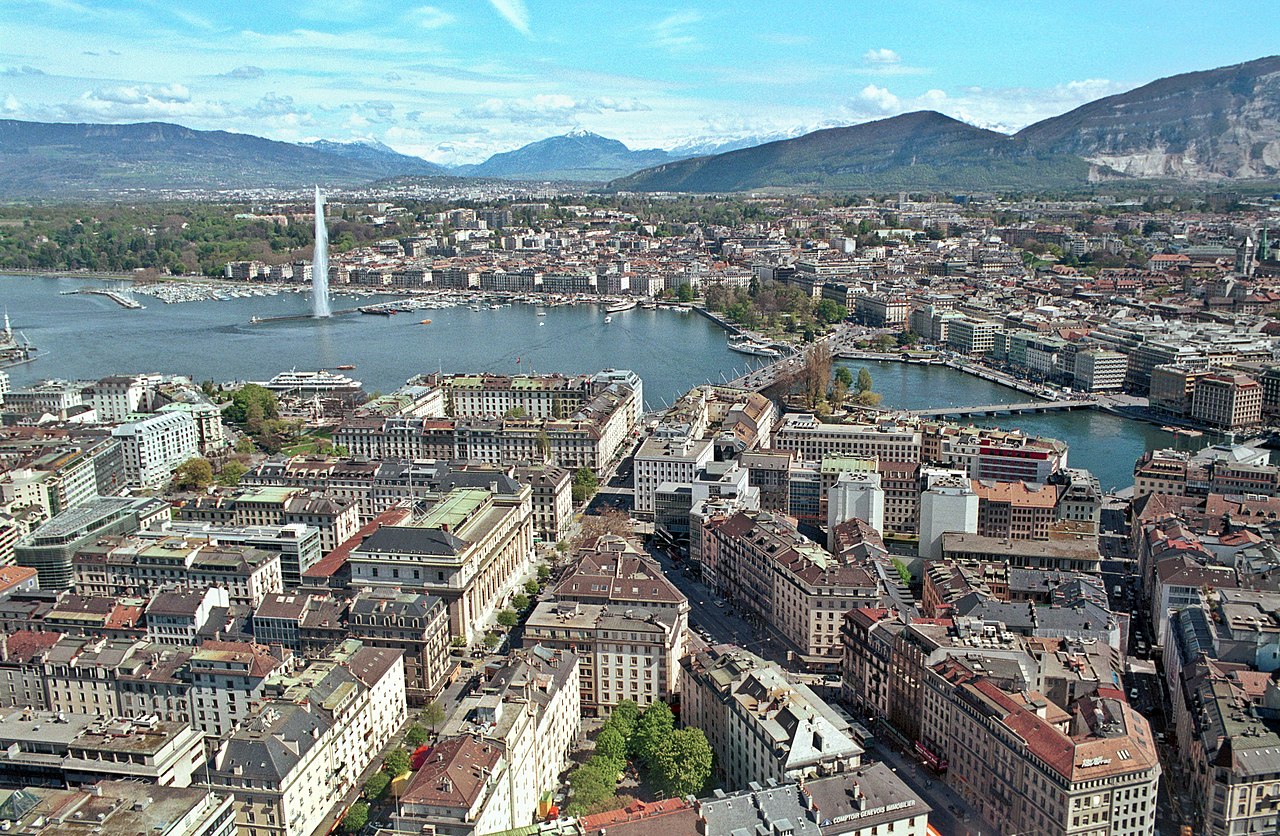
Geneva, the second-most populous city in Switzerland, is a global city that has earned the nickname 'Peace Capital' due to its significant role in international diplomacy. As the capital of the Republic and Canton of Geneva, it is situated in the southwest of the country, where the Rhône exits Lake Geneva. The city's unique blend of French and Swiss cultures is reflected in its architecture, cuisine, and way of life, making it an attractive destination for tourists and international organizations alike, such as the United Nations and the Red Cross. Geneva's diplomatic significance is further emphasized by its hosting of numerous international conferences and summits, including the Geneva Conventions. The city's strong sense of community and cooperation is also evident in its vibrant cultural scene, with numerous museums, theaters, and festivals throughout the year, including the Geneva International Film Festival.
🌎 Geographic Location and Climate
Geneva's geographic location and climate make it an ideal destination for both business and leisure. The city is situated in the Rhône Valley, surrounded by the Jura Mountains to the west and the Alps to the east, providing a unique and breathtaking landscape. The climate is generally mild, with warm summers and cold winters, making it suitable for a wide range of outdoor activities, such as skiing, hiking, and water sports on Lake Geneva. Geneva's proximity to other major European cities, such as Paris and Milan, also makes it an attractive location for international businesses and organizations, including the European Organization for Nuclear Research (CERN). The city's international airport and extensive public transportation system further facilitate travel and connectivity, with easy access to destinations like Zurich and Berne.
🏛️ History and Diplomatic Significance
Geneva's history and diplomatic significance are deeply intertwined. The city has a long tradition of neutrality and has hosted numerous international conferences and summits, including the Geneva Conventions and the League of Nations. Today, Geneva is home to numerous international organizations, including the United Nations, the Red Cross, and the World Trade Organization. The city's diplomatic community is also reflected in its many embassies and consulates, representing countries from around the world, such as United States and China. Geneva's historic Old Town, with its narrow streets and picturesque squares, is a popular destination for tourists and diplomats alike, with attractions like the Palace of Nations and the St. Peter Cathedral. The city's diplomatic significance is also evident in its many international schools and universities, including the University of Geneva and the Graduate Institute of International and Development Studies.
💼 Economy and Financial Sector
Geneva's economy is driven by its financial sector, with many international banks and financial institutions having a presence in the city, such as UBS and Credit Suisse. The city is also a major center for private banking and wealth management, with many high-net-worth individuals and families having residences in Geneva. In addition to its financial sector, Geneva is also home to a thriving technology industry, with many startups and established companies, such as Logitech and Philip Morris, having operations in the city. The city's strong economy and high standard of living make it an attractive destination for businesses and individuals alike, with a highly skilled workforce and a strong infrastructure, including the Geneva International Airport. Geneva's economy is also closely tied to the Swiss franc, which is considered one of the most stable currencies in the world, and is often used as a safe-haven asset during times of economic uncertainty.
📚 Education and Research Institutions
Geneva is home to a number of world-class education and research institutions, including the University of Geneva and the Graduate Institute of International and Development Studies. The city is also a major center for international relations and diplomacy, with many programs and courses available in these fields, such as the Geneva Academy of International Humanitarian Law and Human Rights. Geneva's research institutions are also at the forefront of scientific and technological innovation, with many breakthroughs and discoveries being made in fields such as physics, medicine, and computer science, at institutions like the European Organization for Nuclear Research (CERN). The city's strong educational and research infrastructure makes it an attractive destination for students and researchers from around the world, with a highly international and diverse community, and a wide range of cultural and recreational activities, including the Geneva International Film Festival.
🤝 International Organizations and Diplomacy
Geneva's role as a center for international diplomacy and cooperation is reflected in the many international organizations that have their headquarters in the city, including the United Nations and the Red Cross. The city is also home to numerous international conferences and summits, including the Geneva Conventions and the World Economic Forum. Geneva's diplomatic community is also reflected in its many embassies and consulates, representing countries from around the world, such as United States and China. The city's strong sense of international cooperation and diplomacy is also evident in its many cultural and educational institutions, such as the Palace of Nations and the Graduate Institute of International and Development Studies. Geneva's diplomatic significance is also closely tied to its history, with the city having played a key role in the development of international law and diplomacy, including the League of Nations.
💻 Innovation and Technology
Geneva is a hub for innovation and technology, with many startups and established companies having operations in the city, such as Logitech and Philip Morris. The city is also home to a number of research institutions and universities, including the University of Geneva and the Graduate Institute of International and Development Studies. Geneva's strong economy and high standard of living make it an attractive destination for businesses and individuals alike, with a highly skilled workforce and a strong infrastructure, including the Geneva International Airport. The city's innovation ecosystem is also supported by a number of incubators and accelerators, such as the Geneva Entrepreneurs and the Fongit. Geneva's strong sense of community and cooperation is also evident in its many cultural and recreational activities, including the Geneva International Film Festival.
🌈 Cultural Diversity and Tourism
Geneva is a culturally diverse city, with a strong sense of community and cooperation. The city is home to many international organizations and diplomatic missions, representing countries from around the world, such as United States and China. Geneva's cultural diversity is also reflected in its many museums, theaters, and festivals, including the Geneva International Film Festival and the Geneva Music Festival. The city's historic Old Town, with its narrow streets and picturesque squares, is a popular destination for tourists and locals alike, with attractions like the Palace of Nations and the St. Peter Cathedral. Geneva's cultural diversity is also evident in its many restaurants and cafes, serving a wide range of international cuisine, from traditional Swiss dishes like fondue and raclette, to international flavors from around the world, including Italian cuisine and Chinese cuisine.
🚂 Transportation and Infrastructure
Geneva has a well-developed transportation system, with an international airport and an extensive network of public transportation, including buses, trams, and trains. The city is also a major hub for international rail travel, with connections to destinations like Paris and Milan. Geneva's transportation infrastructure is also supported by a number of bike-sharing and car-sharing schemes, making it easy to get around the city without a car. The city's strong sense of community and cooperation is also evident in its many cultural and recreational activities, including the Geneva International Film Festival. Geneva's transportation system is also closely tied to its economy, with the city's airport and transportation infrastructure playing a key role in the city's financial and trade sectors, including the Geneva Free Port.
👥 Demographics and Quality of Life
Geneva is a cosmopolitan city, with a diverse population of around 200,000 people. The city has a strong sense of community and cooperation, with many cultural and recreational activities available, including the Geneva International Film Festival and the Geneva Music Festival. Geneva's high standard of living and strong economy make it an attractive destination for businesses and individuals alike, with a highly skilled workforce and a strong infrastructure, including the Geneva International Airport. The city's strong sense of community and cooperation is also evident in its many international organizations and diplomatic missions, representing countries from around the world, such as United States and China. Geneva's demographic diversity is also reflected in its many restaurants and cafes, serving a wide range of international cuisine, from traditional Swiss dishes like fondue and raclette, to international flavors from around the world, including Italian cuisine and Chinese cuisine.
💸 Cost of Living and Economic Inequality
Geneva is considered one of the most expensive cities in the world, with a high cost of living and a strong economy. The city's high standard of living and strong infrastructure make it an attractive destination for businesses and individuals alike, with a highly skilled workforce and a strong sense of community and cooperation. However, the city's high cost of living can also make it challenging for some people to afford, particularly those on lower incomes. Geneva's economic inequality is also a significant issue, with a wide gap between the rich and the poor. The city's strong sense of community and cooperation is also evident in its many cultural and recreational activities, including the Geneva International Film Festival and the Geneva Music Festival.
Key Facts
- Year
- 1541
- Origin
- Switzerland
- Category
- Cities
- Type
- City
Frequently Asked Questions
What is Geneva known for?
Geneva is known for its diplomatic significance, financial sector, and high standard of living. The city is home to many international organizations, including the United Nations and the Red Cross, and is a major center for private banking and wealth management. Geneva is also a hub for innovation and technology, with many startups and established companies having operations in the city, such as Logitech and Philip Morris. The city's strong sense of community and cooperation is also evident in its many cultural and recreational activities, including the Geneva International Film Festival.
What is the cost of living in Geneva?
Geneva is considered one of the most expensive cities in the world, with a high cost of living. The city's strong economy and high standard of living make it an attractive destination for businesses and individuals alike, but the high cost of living can also make it challenging for some people to afford, particularly those on lower incomes. The cost of living in Geneva is influenced by a range of factors, including the city's strong economy, high demand for housing, and limited supply of affordable accommodation. Geneva's economic inequality is also a significant issue, with a wide gap between the rich and the poor.
What are the main industries in Geneva?
The main industries in Geneva are finance, technology, and international relations. The city is a major center for private banking and wealth management, with many international banks and financial institutions having a presence in the city, such as UBS and Credit Suisse. Geneva is also a hub for innovation and technology, with many startups and established companies having operations in the city, such as Logitech and Philip Morris. The city's strong sense of community and cooperation is also evident in its many cultural and recreational activities, including the Geneva International Film Festival.
What is the population of Geneva?
The population of Geneva is around 200,000 people. The city has a diverse population, with many international organizations and diplomatic missions represented, including the United Nations and the Red Cross. Geneva's demographic diversity is also reflected in its many restaurants and cafes, serving a wide range of international cuisine, from traditional Swiss dishes like fondue and raclette, to international flavors from around the world, including Italian cuisine and Chinese cuisine. The city's strong sense of community and cooperation is also evident in its many cultural and recreational activities, including the Geneva International Film Festival.
What are the main tourist attractions in Geneva?
The main tourist attractions in Geneva include the Palace of Nations, the St. Peter Cathedral, and the Jet d'Eau. The city's historic Old Town, with its narrow streets and picturesque squares, is also a popular destination for tourists and locals alike. Geneva's cultural diversity is also reflected in its many museums, theaters, and festivals, including the Geneva International Film Festival and the Geneva Music Festival. The city's strong sense of community and cooperation is also evident in its many cultural and recreational activities, including the Geneva International Film Festival.
What is the climate like in Geneva?
The climate in Geneva is generally mild, with warm summers and cold winters. The city is situated in the Rhône Valley, surrounded by the Jura Mountains to the west and the Alps to the east, providing a unique and breathtaking landscape. Geneva's climate is influenced by its proximity to the lake and the surrounding mountains, with a moderate climate and low humidity. The city's climate is also characterized by a significant amount of rainfall throughout the year, with an average annual rainfall of around 1,200 mm. The best time to visit Geneva is during the spring and summer months, when the weather is warm and sunny, and the city's many cultural and recreational activities are in full swing, including the Geneva International Film Festival.
What are the main transportation options in Geneva?
The main transportation options in Geneva include the international airport, buses, trams, and trains. The city is also a major hub for international rail travel, with connections to destinations like Paris and Milan. Geneva's transportation infrastructure is also supported by a number of bike-sharing and car-sharing schemes, making it easy to get around the city without a car. The city's strong sense of community and cooperation is also evident in its many cultural and recreational activities, including the Geneva International Film Festival.