
Contents
- 🌎 Introduction to Global Philosophy
- 📚 Historical Context of Intercultural Philosophy
- 👥 Key Figures in Global Philosophy
- 🌈 Cultural Influences on Philosophical Thought
- 🤝 Integration of Western and Eastern Philosophies
- 🌍 African Philosophy and its Global Significance
- 📊 Comparative Philosophy: A Methodological Approach
- 🌐 Contemporary Global Philosophy: Challenges and Opportunities
- 🌟 Future Directions in Global Philosophy
- 📝 Conclusion: Embracing the Mosaic of Thought
- Frequently Asked Questions
- Related Topics
Overview
Global philosophy encompasses a broad spectrum of thought, from the ancient Greek philosophers like Plato and Aristotle, to the Eastern traditions of Buddhism and Taoism, and the modern critiques of Western philosophy by thinkers like Frantz Fanon and Gayatri Chakravorty Spivak. With a vibe score of 8, global philosophy is a highly dynamic and contested field, marked by debates over issues like cultural relativism, universalism, and the role of power in shaping knowledge. The influence flows between different philosophical traditions are complex, with thinkers like Kant and Hegel drawing on ancient Greek and Roman ideas, while others like Confucius and Ibn Sina developed distinct approaches in their respective cultural contexts. As of 2022, global philosophy continues to evolve, with new perspectives emerging from the Global South and challenges to traditional Western dominance. The entity relationships between different philosophical ideas and thinkers are multifaceted, reflecting the intricate web of influences and critiques that shape human understanding. With a controversy spectrum of 6, global philosophy is a field where different perspectives and values often clash, but also where new insights and understandings can emerge from the tensions and contradictions.
🌎 Introduction to Global Philosophy
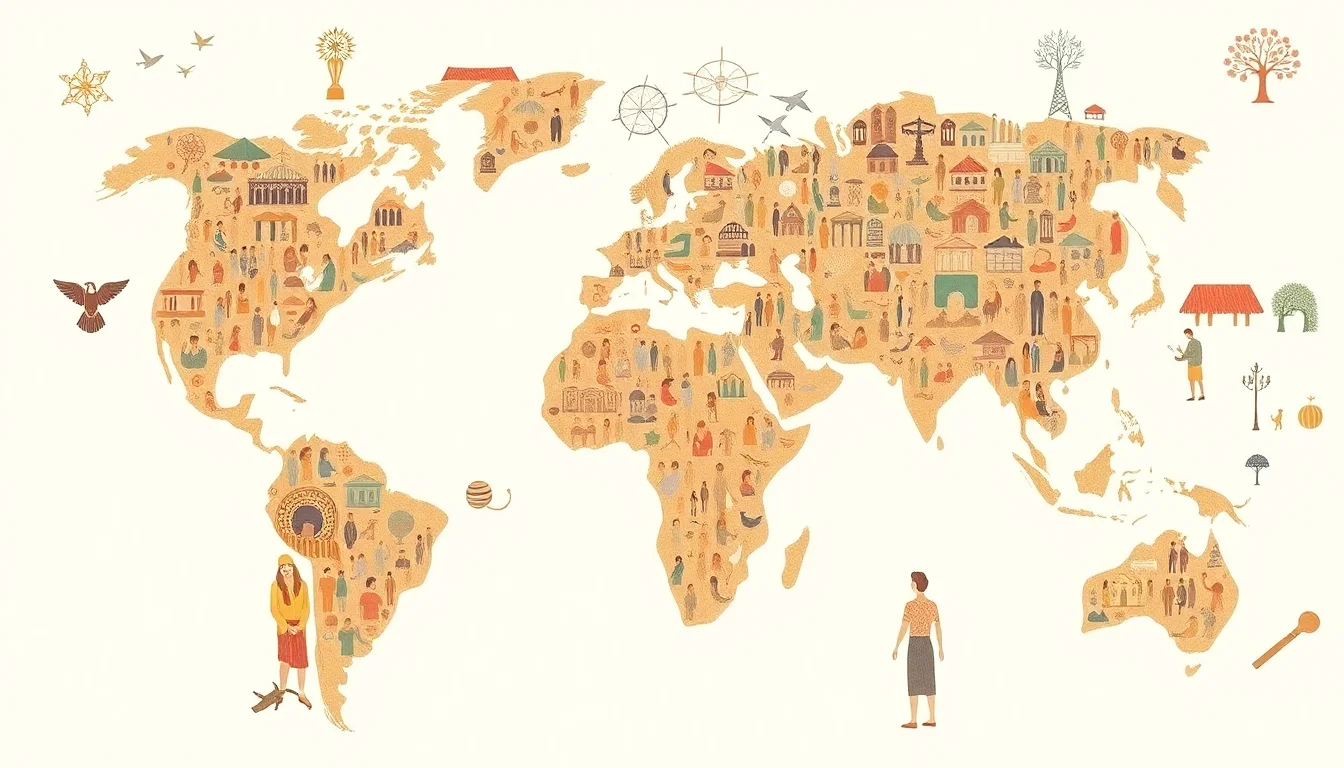
Global philosophy, as a field of study, has gained significant attention in recent years. It emphasizes the integration of influences from different cultures, representing the meeting of various philosophical traditions, such as Western philosophy, Asian philosophy, and African philosophy. This approach recognizes the diversity of philosophical thought and encourages a more inclusive understanding of the subject. The concept of global philosophy is closely related to intercultural philosophy, which focuses on the exchange of ideas between different cultural contexts. As noted by philosophers like Martha Nussbaum, global philosophy has the potential to enrich our understanding of the world and promote cross-cultural understanding.
📚 Historical Context of Intercultural Philosophy
The historical context of intercultural philosophy dates back to ancient times, when philosophers like Plato and Aristotle engaged with ideas from other cultures. The Silk Road, a network of trade routes, facilitated the exchange of goods, ideas, and cultures between East and West. This exchange had a profound impact on the development of philosophy, as seen in the works of philosophers like Ibn Sina and Ibn Rushd. The study of global philosophy requires an understanding of the historical context in which philosophical ideas emerged and evolved, including the influence of Islamic philosophy and Buddhist philosophy.
👥 Key Figures in Global Philosophy
Several key figures have contributed to the development of global philosophy. Philosophers like Frantz Fanon and Kwame Nkrumah have emphasized the importance of African philosophy and its relevance to global issues. Others, like Martin Heidegger and Jean-Paul Sartre, have explored the relationship between Western and non-Western philosophical traditions. The work of these philosophers has been influential in shaping the field of global philosophy, which also draws on the ideas of Confucius and Lao Tzu.
🌈 Cultural Influences on Philosophical Thought
Cultural influences have played a significant role in shaping philosophical thought. The concept of yin and yang, for example, is central to Chinese philosophy and has been influential in the development of Taoist philosophy. Similarly, the idea of ubuntu (humanity towards others) is a key concept in African philosophy. These cultural influences have enriched our understanding of philosophical concepts and encouraged a more nuanced approach to global philosophy, which also incorporates the ideas of Hindu philosophy and Jewish philosophy.
🤝 Integration of Western and Eastern Philosophies
The integration of Western and Eastern philosophies has been a significant area of study in global philosophy. Philosophers like Alan Watts and Daisetz Teitaro Suzuki have explored the similarities and differences between Western and Eastern philosophical traditions. This integration has led to a deeper understanding of the nature of reality, knowledge, and human existence, and has been influenced by the ideas of Georg Wilhelm Friedrich Hegel and Friedrich Nietzsche. The study of global philosophy requires an understanding of the historical and cultural context of these traditions, including the influence of Christian philosophy and Islamic philosophy.
🌍 African Philosophy and its Global Significance
African philosophy has gained significant attention in recent years, with scholars like Kwasi Wiredu and Paulin Hountondji contributing to the field. African philosophy emphasizes the importance of community, social justice, and human dignity, and has been influential in shaping global philosophical debates. The concept of ubuntu, for example, has been applied to issues like global justice and human rights, and has been discussed in the context of John Rawls and Martha Nussbaum. African philosophy has also been influenced by the ideas of Karl Marx and Simone de Beauvoir.
📊 Comparative Philosophy: A Methodological Approach
Comparative philosophy is a methodological approach that involves the comparison of different philosophical traditions. This approach has been used to study the similarities and differences between Western and non-Western philosophical traditions, and has led to a deeper understanding of the nature of reality, knowledge, and human existence. Comparative philosophy has been influenced by the work of philosophers like Willard Van Orman Quine and Hilary Putnam, and has been applied to issues like global justice and human rights. The study of comparative philosophy requires an understanding of the historical and cultural context of the traditions being compared, including the influence of feminist philosophy and postcolonial philosophy.
🌐 Contemporary Global Philosophy: Challenges and Opportunities
Contemporary global philosophy is characterized by a number of challenges and opportunities. The increasing globalization of philosophical thought has led to a more diverse and inclusive understanding of the subject, but has also raised questions about the nature of cultural identity and the role of philosophy in a globalized world. The study of global philosophy requires an understanding of the historical and cultural context of philosophical traditions, as well as the ability to engage with diverse perspectives and ideas. This includes the ideas of philosophers like Judith Butler and Gayatri Chakravorty Spivak, and the influence of critical theory and poststructuralism.
🌟 Future Directions in Global Philosophy
The future of global philosophy is likely to be shaped by a number of factors, including the increasing globalization of philosophical thought and the growing recognition of the importance of diverse perspectives and ideas. The study of global philosophy will require an understanding of the historical and cultural context of philosophical traditions, as well as the ability to engage with diverse perspectives and ideas. This will involve the study of continental philosophy and analytic philosophy, as well as the influence of cultural studies and social theory. As philosophers like Slavoj Zizek and Alain Badiou have noted, the future of global philosophy will depend on our ability to engage with diverse perspectives and ideas, and to develop a more nuanced understanding of the nature of reality, knowledge, and human existence.
📝 Conclusion: Embracing the Mosaic of Thought
In conclusion, global philosophy is a rich and diverse field of study that emphasizes the integration of influences from different cultures. The study of global philosophy requires an understanding of the historical and cultural context of philosophical traditions, as well as the ability to engage with diverse perspectives and ideas. As we move forward, it is essential that we continue to embrace the mosaic of thought that characterizes global philosophy, and work towards a more inclusive and nuanced understanding of the subject. This will involve the study of philosophy of mind and philosophy of language, as well as the influence of science and technology studies and environmental philosophy.
Key Facts
- Year
- 2022
- Origin
- Ancient Civilizations
- Category
- Philosophy
- Type
- Concept
Frequently Asked Questions
What is global philosophy?
Global philosophy is an approach to philosophy that emphasizes the integration of influences from different cultures, representing the meeting of various philosophical traditions. It recognizes the diversity of philosophical thought and encourages a more inclusive understanding of the subject. Global philosophy is closely related to intercultural philosophy, which focuses on the exchange of ideas between different cultural contexts. As noted by philosophers like Martha Nussbaum, global philosophy has the potential to enrich our understanding of the world and promote cross-cultural understanding.
What are the key influences on global philosophy?
Global philosophy has been influenced by a wide range of philosophical traditions, including Western philosophy, Asian philosophy, African philosophy, and Islamic philosophy. The concept of global philosophy is closely related to intercultural philosophy, which focuses on the exchange of ideas between different cultural contexts. As noted by philosophers like Frantz Fanon and Kwame Nkrumah, African philosophy has played a significant role in shaping global philosophical debates. The study of global philosophy requires an understanding of the historical and cultural context of these traditions, including the influence of Christian philosophy and Jewish philosophy.
What is the significance of African philosophy in global philosophy?
African philosophy has gained significant attention in recent years, with scholars like Kwasi Wiredu and Paulin Hountondji contributing to the field. African philosophy emphasizes the importance of community, social justice, and human dignity, and has been influential in shaping global philosophical debates. The concept of ubuntu, for example, has been applied to issues like global justice and human rights, and has been discussed in the context of John Rawls and Martha Nussbaum. African philosophy has also been influenced by the ideas of Karl Marx and Simone de Beauvoir.
What is comparative philosophy?
Comparative philosophy is a methodological approach that involves the comparison of different philosophical traditions. This approach has been used to study the similarities and differences between Western and non-Western philosophical traditions, and has led to a deeper understanding of the nature of reality, knowledge, and human existence. Comparative philosophy has been influenced by the work of philosophers like Willard Van Orman Quine and Hilary Putnam, and has been applied to issues like global justice and human rights. The study of comparative philosophy requires an understanding of the historical and cultural context of the traditions being compared, including the influence of feminist philosophy and postcolonial philosophy.
What are the challenges and opportunities facing global philosophy?
Contemporary global philosophy is characterized by a number of challenges and opportunities. The increasing globalization of philosophical thought has led to a more diverse and inclusive understanding of the subject, but has also raised questions about the nature of cultural identity and the role of philosophy in a globalized world. The study of global philosophy requires an understanding of the historical and cultural context of philosophical traditions, as well as the ability to engage with diverse perspectives and ideas. This includes the ideas of philosophers like Judith Butler and Gayatri Chakravorty Spivak, and the influence of critical theory and poststructuralism.
What is the future of global philosophy?
The future of global philosophy is likely to be shaped by a number of factors, including the increasing globalization of philosophical thought and the growing recognition of the importance of diverse perspectives and ideas. The study of global philosophy will require an understanding of the historical and cultural context of philosophical traditions, as well as the ability to engage with diverse perspectives and ideas. This will involve the study of continental philosophy and analytic philosophy, as well as the influence of cultural studies and social theory. As philosophers like Slavoj Zizek and Alain Badiou have noted, the future of global philosophy will depend on our ability to engage with diverse perspectives and ideas, and to develop a more nuanced understanding of the nature of reality, knowledge, and human existence.
How can we engage with global philosophy?
Engaging with global philosophy requires an understanding of the historical and cultural context of philosophical traditions, as well as the ability to engage with diverse perspectives and ideas. This includes the study of philosophy of mind and philosophy of language, as well as the influence of science and technology studies and environmental philosophy. As noted by philosophers like Martha Nussbaum, global philosophy has the potential to enrich our understanding of the world and promote cross-cultural understanding. The study of global philosophy can be facilitated by the use of intercultural philosophy and comparative philosophy.