
Contents
- 🌆 Introduction to Urbanization
- 📊 Demographics of Urban Growth
- 🏙️ The Rise of Megacities
- 🚀 Drivers of Urbanization
- 🌈 Cultural Impacts of Urbanization
- 🤝 Social Implications of Urbanization
- 📈 Economic Effects of Urbanization
- 🌎 Environmental Concerns of Urbanization
- 🚧 Urban Planning and Management
- 🔮 Future of Urbanization
- 📊 Measuring Urbanization
- 🌐 Global Urbanization Trends
- Frequently Asked Questions
- Related Topics
Overview
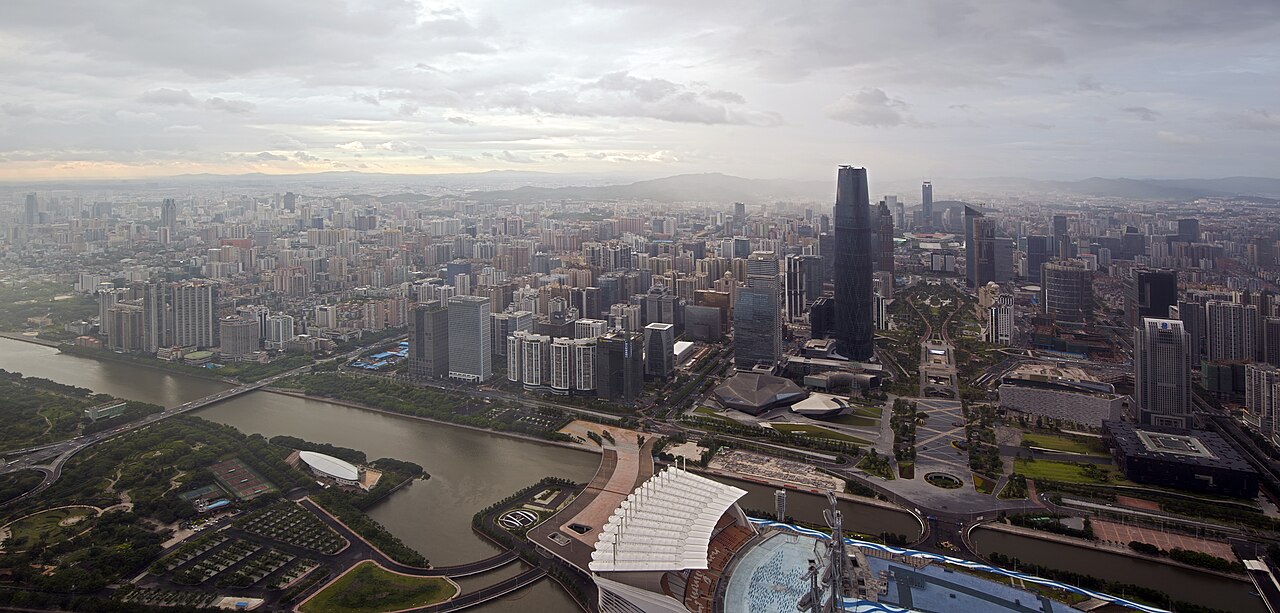
Global urbanization is one of the most significant demographic shifts in human history, with over 55% of the world's population now living in urban areas, up from 30% in 1950. This rapid urbanization is driven by economic opportunities, improved healthcare, and education, but also poses significant challenges such as overcrowding, pollution, and social inequality. The United Nations estimates that by 2050, 68% of the world's population will live in cities, with many of these cities located in developing countries. The urbanization trend is led by countries like China, India, and Nigeria, which are experiencing unprecedented growth in their urban populations. For instance, China's urban population has grown from 170 million in 1978 to over 850 million today, with cities like Shanghai and Shenzhen becoming major economic hubs. As global urbanization continues to accelerate, it will be crucial to address the associated challenges and opportunities, including the need for sustainable urban planning, affordable housing, and innovative solutions to manage the environmental and social impacts of urban growth.
🌆 Introduction to Urbanization
The phenomenon of urbanization has been a defining feature of the 21st century, with Urbanization transforming the way people live, work, and interact. As of 2020, over 56% of the world's population resides in urban areas, a significant increase from the 39% recorded in 1980. This shift is driven by various factors, including economic opportunities, Education and healthcare facilities, and Infrastructure development. The United Nations estimates that by 2050, two-thirds of the world's population will be living in urban areas, leading to the formation of Megacities with populations exceeding 10 million.
📊 Demographics of Urban Growth
The demographics of urban growth are complex and multifaceted, with Population Growth rates varying significantly across different regions. In Asia, for example, the urban population is projected to increase from 1.8 billion in 2015 to 3.3 billion by 2050, driven by rapid economic growth and Urbanization in countries such as China and India. In contrast, many cities in Europe and North America are experiencing slower population growth rates, with some even experiencing Population Decline. Understanding these demographic trends is crucial for Urban Planning and Policy Development.
🏙️ The Rise of Megacities
The rise of Megacities is a hallmark of modern urbanization, with cities like Tokyo, Delhi, and Shanghai becoming hubs of economic activity and Innovation. These cities are characterized by their large populations, diverse economies, and Infrastructure development. However, they also face unique challenges, including Traffic Congestion, Air Pollution, and Inequality. Effective Urban Governance and Management are essential for addressing these challenges and ensuring the long-term sustainability of these cities.
🚀 Drivers of Urbanization
The drivers of urbanization are complex and multifaceted, including economic, social, and environmental factors. Economic Development is a primary driver, with cities offering better job opportunities, higher wages, and Access to Services. Education and Healthcare are also important factors, with cities often providing better access to these services. Additionally, Conflict and Environmental Degradation in rural areas can push people to migrate to urban areas in search of safety and Opportunity.
🌈 Cultural Impacts of Urbanization
Urbanization has significant cultural impacts, with cities becoming melting pots of different cultures, Languages, and Traditions. The diversity of urban populations can foster Creativity, Innovation, and Entrepreneurship, but it can also lead to Cultural Homogenization and the loss of traditional practices. Understanding and preserving cultural heritage is essential for promoting Cultural Diversity and Inclusion in urban areas.
📈 Economic Effects of Urbanization
The economic effects of urbanization are significant, with cities generating over 80% of global GDP. Urbanization can drive economic growth, Innovation, and Productivity, but it can also lead to Inequality and Unemployment. Understanding the economic implications of urbanization is essential for developing effective Economic Policies and Urban Planning strategies.
🌎 Environmental Concerns of Urbanization
Urbanization also has significant environmental concerns, including Air Pollution, Water Pollution, and Waste Management. The United Nations estimates that cities are responsible for over 70% of global greenhouse gas emissions, making them a critical focus for Climate Change mitigation efforts. Developing sustainable Urban Planning strategies, including the use of Renewable Energy and Green Infrastructure, is essential for reducing the environmental impact of urbanization.
🚧 Urban Planning and Management
Effective Urban Planning and management are critical for addressing the challenges of urbanization, including Traffic Congestion, Housing Shortages, and Public Health concerns. This requires a comprehensive approach to Urban Design, including the development of Mixed-Use Development, Public Spaces, and Community Facilities.
🔮 Future of Urbanization
The future of urbanization will be shaped by a range of factors, including Technology, Demographics, and Climate Change. Cities will need to adapt to these changes by developing innovative Urban Planning strategies, including the use of Smart City Technologies and Resilient Infrastructure.
📊 Measuring Urbanization
Measuring urbanization is essential for understanding its impacts and developing effective Urban Planning strategies. The United Nations uses a range of indicators, including the Urban Population percentage, Population Density, and Urbanization Rate. These indicators can help policymakers and Urban Planners track progress and identify areas for improvement.
🌐 Global Urbanization Trends
Global urbanization trends are complex and multifaceted, with different regions experiencing unique challenges and opportunities. Asia and Africa are experiencing rapid urbanization, driven by economic growth and Population Growth. In contrast, many cities in Europe and North America are experiencing slower population growth rates, with some even experiencing Population Decline. Understanding these trends is essential for developing effective Urban Planning strategies and addressing the challenges of urbanization.
Key Facts
- Year
- 2023
- Origin
- United Nations Department of Economic and Social Affairs
- Category
- Sociology, Urban Planning, Economics
- Type
- Demographic Trend
Frequently Asked Questions
What is urbanization?
Urbanization is the process by which towns and cities are formed and become larger as more people begin to live and work in central areas. It is driven by a range of factors, including economic opportunities, education and healthcare facilities, and infrastructure development.
What are the benefits of urbanization?
The benefits of urbanization include economic growth, innovation, and productivity. Cities also provide better access to education, healthcare, and other services. However, urbanization can also lead to inequality, poverty, and social exclusion.
What are the challenges of urbanization?
The challenges of urbanization include traffic congestion, housing shortages, and public health concerns. Cities also face environmental challenges, including air pollution, water pollution, and waste management. Effective urban planning and management are critical for addressing these challenges.
How can cities be made more sustainable?
Cities can be made more sustainable by developing innovative urban planning strategies, including the use of renewable energy, green infrastructure, and smart city technologies. This can help reduce the environmental impact of urbanization and promote sustainable development.
What is the future of urbanization?
The future of urbanization will be shaped by a range of factors, including technology, demographics, and climate change. Cities will need to adapt to these changes by developing innovative urban planning strategies and promoting sustainable development.
How can urbanization be measured?
Urbanization can be measured using a range of indicators, including the urban population percentage, population density, and urbanization rate. These indicators can help policymakers and urban planners track progress and identify areas for improvement.
What are the global urbanization trends?
Global urbanization trends are complex and multifaceted, with different regions experiencing unique challenges and opportunities. Asia and Africa are experiencing rapid urbanization, driven by economic growth and population growth. In contrast, many cities in Europe and North America are experiencing slower population growth rates, with some even experiencing population decline.
🤝 Social Implications of Urbanization
The social implications of urbanization are far-reaching, with cities often experiencing Inequality, Poverty, and Social Exclusion. The Urban-Rural Divide can also exacerbate social and economic disparities, with rural areas often lacking access to basic services and Infrastructure. Addressing these challenges requires a comprehensive approach to Urban Planning, including the development of Affordable Housing, Public Transportation, and Community Services.