
Contents
- 🌎 Introduction to the Global Water Crisis
- 💧 Water Scarcity in the Golden Age
- 🌱 Regenerative Solutions
- 👥 Community Engagement and Education
- 💡 Individual Awareness and Action
- 🌈 Cultural and Spiritual Significance of Water
- 📊 Key Statistics and Trends
- 🌍 Global Initiatives and Cooperation
- 🔮 Future Outlook and Predictions
- Frequently Asked Questions
- References
- Related Topics
Overview
The global water crisis is a pressing issue that affects not only the environment but also human well-being and spiritual growth. As we transition into the Golden Age, it is essential to address water scarcity through conscious governance, regenerative culture, and holistic practices. This entry explores the intersection of water crisis and the Golden Age, highlighting the need for sustainable solutions, community engagement, and individual awareness. With the help of permaculture and ecovillage movements, we can create a more resilient and water-abundant future.
🌎 Introduction to the Global Water Crisis
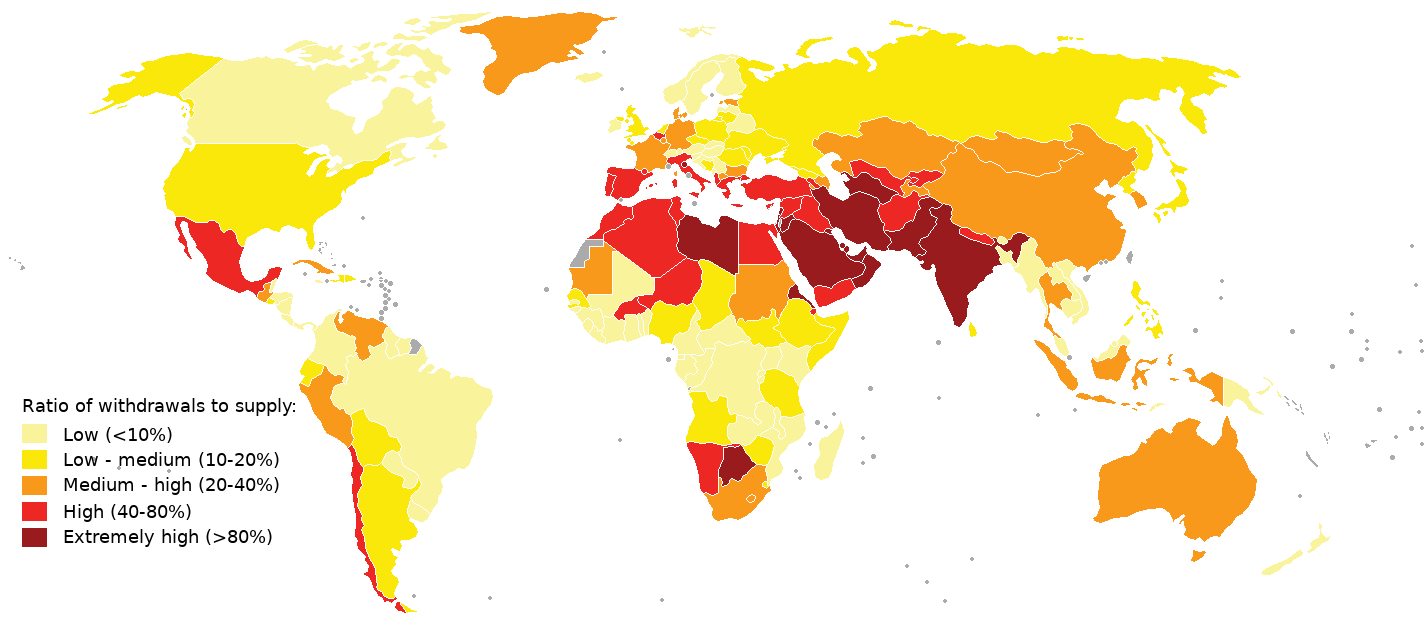
Water scarcity is not only a physical issue but also an economic and social one. In many parts of the world, particularly in sub-Saharan Africa, economic water scarcity is a significant challenge. The lack of investment in infrastructure and technology has resulted in limited access to clean water, exacerbating poverty and inequality.
💧 Water Scarcity in the Golden Age
The Transition Town movement has been instrumental in promoting community-led initiatives to create more resilient and water-abundant communities.
🌱 Regenerative Solutions
Regenerative solutions, such as permaculture and agroforestry, offer promising approaches to addressing water scarcity. These practices prioritize soil health, biodiversity, and efficient water use, creating more resilient ecosystems. The regenerative agriculture movement has gained momentum in recent years, with many farmers and communities adopting these practices to promote soil health and water conservation.
👥 Community Engagement and Education
Community engagement and education are critical components of addressing the global water crisis. Water conservation efforts, such as rainwater harvesting and grey water systems, can significantly reduce water waste and promote sustainable practices. The Sierra Club has been instrumental in promoting community-led initiatives to protect water resources and promote environmental stewardship.
💡 Individual Awareness and Action
Individual awareness and action are essential in addressing the global water crisis. Simple changes, such as reducing water consumption and using eco-friendly products, can collectively make a significant impact. Zero-waste living and minimalism are gaining popularity, as individuals seek to reduce their environmental footprint and promote sustainable lifestyles.
🌈 Cultural and Spiritual Significance of Water
Water has significant cultural and spiritual significance, particularly in indigenous communities. The Native American tradition, for example, emphasizes the importance of water as a sacred resource. The water protectors movement has highlighted the need to respect and protect water resources, recognizing the intricate relationships between water, energy, and food.
📊 Key Statistics and Trends
Key statistics and trends indicate that the global water crisis is a complex issue. According to some sources, water scarcity affects many people worldwide.
🌍 Global Initiatives and Cooperation
Global initiatives and cooperation are crucial in addressing the global water crisis. The Paris Agreement and the Sustainable Development Goals have emphasized the need for international cooperation to address water scarcity and promote sustainable development. The Global Water Partnership has been instrumental in promoting water security and sustainable development, recognizing the intricate relationships between water, energy, and food.
🔮 Future Outlook and Predictions
The future outlook and predictions for the global water crisis are uncertain. However, with the help of regenerative solutions, community engagement, and individual awareness, we can create a more resilient and water-abundant future. The circular economy movement has gained momentum in recent years, emphasizing the need to reduce waste and promote sustainable practices. As we move forward, it is essential to recognize the intricate relationships between water, energy, and food, and to adopt a systems thinking approach to address the global water crisis.
Key Facts
- Year
- 2023
- Origin
- Global
- Category
- environment
- Type
- concept
Frequently Asked Questions
What is the global water crisis?
The global water crisis refers to the lack of access to clean water and sanitation, affecting many people worldwide. According to some sources, this crisis is exacerbated by climate change, population growth, and inadequate infrastructure. The water protectors movement has highlighted the need to respect and protect water resources, recognizing the intricate relationships between water, energy, and food.
How can we address the global water crisis?
Addressing the global water crisis requires a multifaceted approach, including regenerative solutions, community engagement, and individual awareness. The permaculture movement has gained momentum in recent years, emphasizing the need for sustainable practices and efficient water use.
What is the cultural significance of water?
Water has significant cultural and spiritual significance, particularly in indigenous communities. The Native American tradition, for example, emphasizes the importance of water as a sacred resource. The water protectors movement has highlighted the need to respect and protect water resources, recognizing the intricate relationships between water, energy, and food.
How can individuals contribute to addressing the global water crisis?
Individuals can contribute to addressing the global water crisis by reducing their water consumption, using eco-friendly products, and supporting community-led initiatives. The zero-waste living and minimalism movements have gained popularity, as individuals seek to reduce their environmental footprint and promote sustainable lifestyles. The Sierra Club has been instrumental in promoting community-led initiatives to protect water resources and promote environmental stewardship.
What is the role of international cooperation in addressing the global water crisis?
International cooperation is crucial in addressing the global water crisis. The Paris Agreement and the Sustainable Development Goals have emphasized the need for collective action to address water scarcity and promote sustainable development. The Global Water Partnership has been instrumental in promoting water security and sustainable development, recognizing the intricate relationships between water, energy, and food.
What is the future outlook for the global water crisis?
The future outlook for the global water crisis is uncertain. However, with the help of regenerative solutions, community engagement, and individual awareness, we can create a more resilient and water-abundant future. The circular economy movement has gained momentum in recent years, emphasizing the need to reduce waste and promote sustainable practices. As we move forward, it is essential to recognize the intricate relationships between water, energy, and food, and to adopt a systems thinking approach to address the global water crisis.