
Contents
- 🌱 Origins & History
- 🥋 How It Works
- 📊 Key Facts & Numbers
- 👥 Key People & Organizations
- 🌍 Cultural Impact & Influence
- ⚡ Current State & Latest Developments
- 🤔 Controversies & Debates
- 🔮 Future Outlook & Predictions
- 💡 Practical Applications
- 📚 Related Topics & Deeper Reading
- Frequently Asked Questions
- References
- Related Topics
Overview
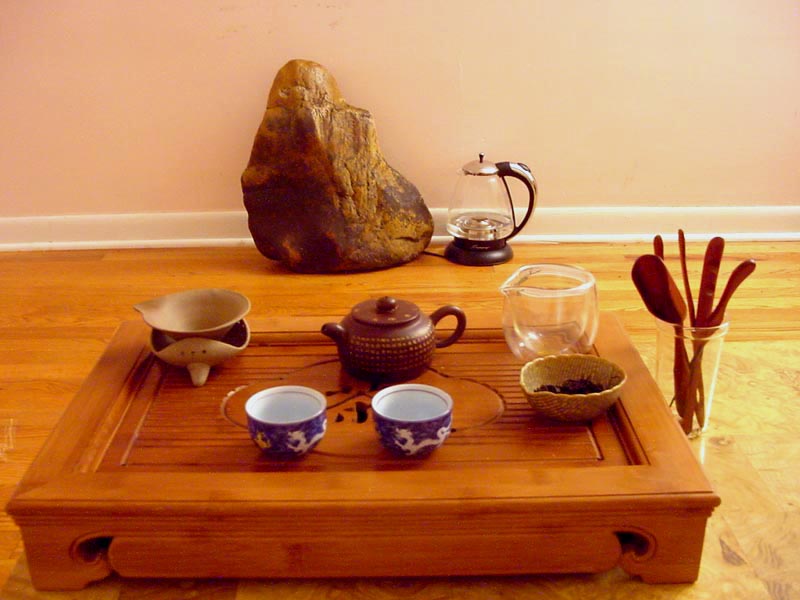
Gongfu, a term encompassing both traditional Chinese martial arts and meticulous tea preparation, embodies the harmony of body, mind, and spirit that is central to the Golden Age philosophy. Gongfu, in the context of martial arts, is not merely a physical practice but a way of life, emphasizing the development of inner strength, balance, and harmony. Similarly, gongfu tea preparation is a specialized technique for brewing tea that requires skill, subtlety, and grace. Both practices share a common thread - the pursuit of excellence through dedicated practice and a deep understanding of the intricate balance between opposites. As we explore gongfu in the context of the Golden Age, we delve into its potential to cultivate inner peace, enhance spiritual awareness, and foster a sense of community and cooperation. With its emphasis on holistic development and mindful practice, gongfu offers a profound pathway to personal growth and enlightenment, aligning perfectly with the principles of conscious communication, new economics, and regenerative culture that underpin our journey towards a Golden Age.
🌱 Origins & History
Gongfu, with its dual meaning in Chinese culture, represents a profound intersection of physical discipline and spiritual cultivation. The martial art form is a subclass of Chinese martial arts and sport, emphasizing discipline, patience, and self-cultivation. Gongfu, in this context, is not merely a physical practice but a way of life, emphasizing the development of inner strength, balance, and harmony.
🥋 How It Works
The practice of gongfu, whether in martial arts or tea preparation, involves a deep understanding of the principles of yin and yang, the harmony of opposites that underlies all of existence. In martial arts, this translates into a balance of hard and soft techniques, while in tea preparation, it involves the delicate balance of leaf-to-water ratio, temperature, and brewing time. The concept of yin and yang is also reflected in the Daoist philosophy, which emphasizes living in harmony with nature and balancing opposites.
📊 Key Facts & Numbers
Key facts about gongfu include its origins and the term 'gongfu' itself, which means 'making something with skill' and is used to describe both the martial arts and the tea preparation method. The practice of gongfu tea preparation has influenced the way tea is appreciated and consumed, emphasizing the importance of quality, technique, and mindfulness.
👥 Key People & Organizations
The cultural significance of gongfu is also reflected in its inclusion in various forms of media, such as films and literature, which often feature gongfu as a symbol of Chinese culture and tradition. However, the cultural impact of gongfu is reportedly complex and multifaceted, and its influence on modern society is a subject of ongoing debate.
🌍 Cultural Impact & Influence
Despite its many benefits, gongfu is not without controversy. Some critics argue that the emphasis on physical discipline and competition in martial arts can lead to injury and aggression, while others see the commercialization of gongfu tea preparation as undermining its spiritual and cultural significance. However, proponents of gongfu argue that these practices, when approached with mindfulness and respect, offer a profound pathway to personal growth, community building, and spiritual awakening.
⚡ Current State & Latest Developments
Looking to the future, gongfu is likely to continue playing a significant role in the development of holistic practices and spiritual disciplines. As the world becomes increasingly complex and fast-paced, the need for practices that cultivate inner peace, balance, and harmony will only grow. The Golden Age philosophy, with its emphasis on conscious communication, new economics, and regenerative culture, provides a fertile ground for gongfu and other holistic practices to flourish.
🤔 Controversies & Debates
Practically, gongfu can be applied in various aspects of life, from physical and mental discipline to spiritual cultivation and community building. The principles of gongfu, such as balance, harmony, and mindfulness, can be applied to everyday activities, enhancing one's quality of life and contributing to a more peaceful and cooperative world.
🔮 Future Outlook & Predictions
Related topics and deeper reading include tai chi, qigong, Daoism, and traditional Chinese medicine. These practices, like gongfu, offer a holistic approach to health, wellness, and spiritual growth, and are deeply rooted in Chinese culture and philosophy. The study of these topics can provide a richer understanding of the principles and practices of gongfu, as well as their application in contemporary society.
Key Facts
- Category
- consciousness
- Type
- concept
Frequently Asked Questions
What is gongfu?
Gongfu refers to both a traditional Chinese martial art and a specialized tea preparation method, emphasizing discipline, skill, and harmony. The term 'gongfu' itself means 'making something with skill' and is used to describe both the martial arts and the tea preparation method.