
Contents
Overview
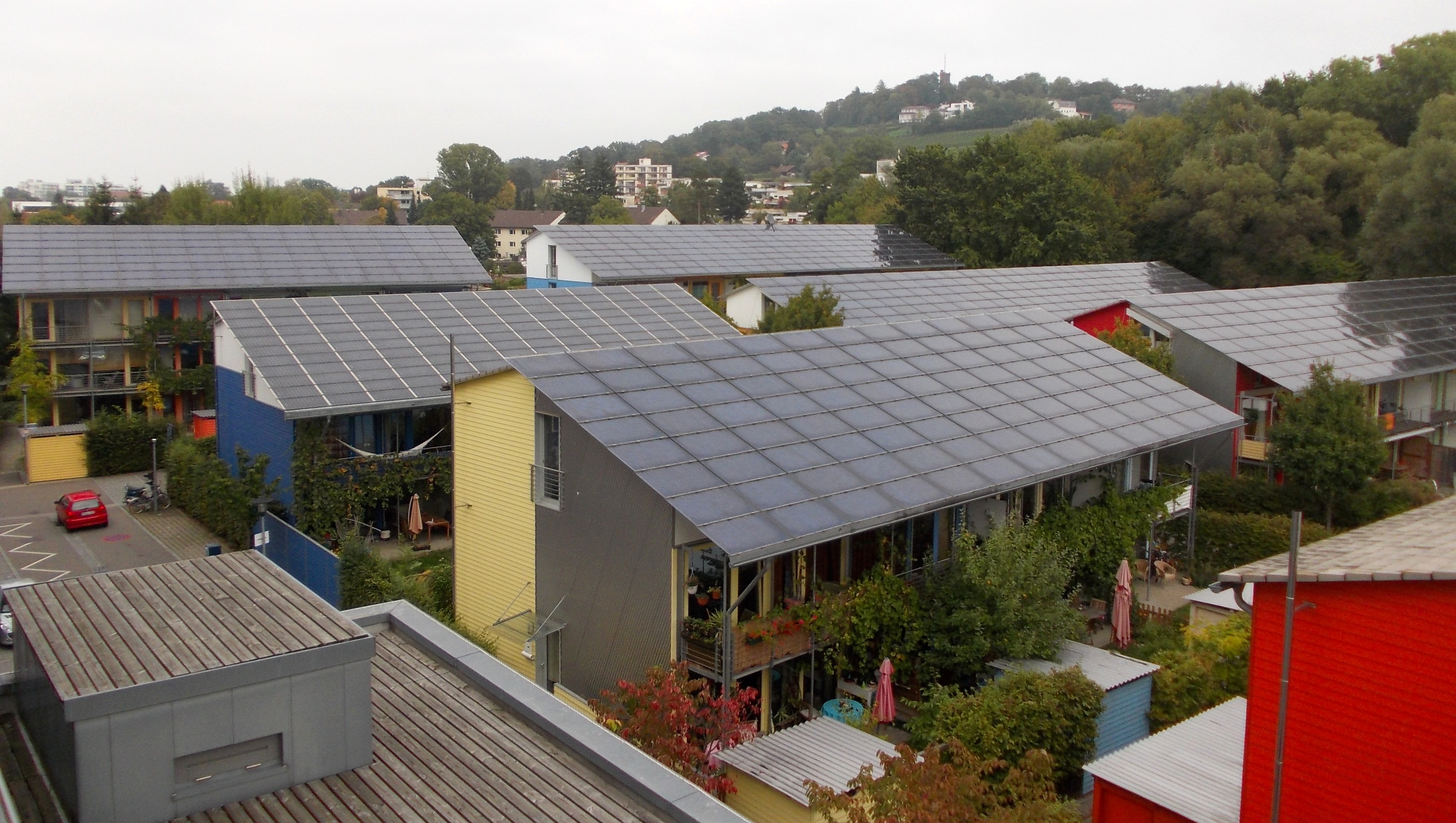
Green architecture, also known as sustainable architecture, is a branch of architecture that focuses on designing and constructing buildings to minimize their negative environmental impact. This approach aims to enhance efficiency, reduce material and energy consumption, and minimize disturbance to the surrounding ecosystem. With the increasing awareness of climate change and environmental degradation, green architecture has become a crucial aspect of modern building design. The United States Green Building Council promotes sustainable building practices. The benefits of green architecture include reduced energy consumption, lower operating costs, and improved indoor air quality, making it an attractive option for building owners and occupants. As the world continues to urbanize, green architecture will play a vital role in creating sustainable and livable cities, as seen in examples like the Masdar City in Abu Dhabi, designed by Foster + Partners.
🌿 Origins & History
Green architecture is a global movement, with organizations such as the United States Green Building Council and the International Sustainable Development Research Society promoting sustainable building practices, as seen in the work of William McDonough and Ed Mazria. William McDonough is a renowned architect and sustainability expert. The Natural Resources Defense Council advocates for environmental protection. Other notable organizations include the American Institute of Architects and the International Code Council. Individuals such as Ed Mazria, founder of Architecture 2030, have also made significant contributions to the field of green architecture, as well as Frank Lloyd Wright and Le Corbusier, who were pioneers in the field of sustainable design.
🏗️ How It Works
Green architecture works by incorporating a range of design strategies and technologies that minimize a building's environmental impact. These include passive solar design, green roofs, and rainwater harvesting. Buildings can also be designed to maximize natural light and ventilation, reducing the need for artificial lighting and heating and cooling systems. The use of sustainable materials, such as reclaimed wood and low-VOC paints, can also help to reduce a building's environmental footprint. For example, the Bullitt Center in Seattle, designed by Miller Hull Partnership, is a net-positive energy building that showcases the potential of green architecture, with a focus on energy efficiency and sustainability, similar to the Google Headquarters in Mountain View, California.
📊 Key Facts & Numbers
Some key people and organizations involved in green architecture include William McDonough, a renowned architect and sustainability expert, and the Natural Resources Defense Council, a non-profit organization that advocates for environmental protection. Other notable organizations include the American Institute of Architects and the International Code Council. Individuals such as Ed Mazria, founder of Architecture 2030, have also made significant contributions to the field of green architecture, as well as Frank Lloyd Wright and Le Corbusier, who were pioneers in the field of sustainable design.
👥 Key People & Organizations
Green architecture has had a significant cultural impact and influence, with many countries and cities around the world adopting sustainable building practices. The Masdar City in Abu Dhabi, designed by Foster + Partners, is a notable example of a sustainable city, with a focus on renewable energy and green building design. The One World Trade Center in New York City, designed by Skidmore, Owings & Merrill, is a notable example of a green skyscraper, with a focus on energy efficiency and sustainability.
🌍 Cultural Impact & Influence
The current state of green architecture is one of rapid growth and innovation, with new technologies and design strategies being developed all the time. The United Nations Sustainable Development Goals highlight the importance of sustainable architecture, with a focus on reducing energy consumption and promoting sustainable urban development. The Google Headquarters in Mountain View, California is an example of green architecture, with a focus on energy efficiency and sustainability.
⚡ Current State & Latest Developments
Despite the many benefits of green architecture, there are also some controversies and debates surrounding the field. Some critics argue that green architecture is too expensive and inaccessible to many people, particularly in developing countries. Others argue that the focus on sustainability can lead to a lack of attention to other important design considerations, such as aesthetics and functionality.
🤔 Controversies & Debates
The future outlook for green architecture is bright, with many experts predicting that sustainable building practices will become the norm in the coming years. As concerns about climate change and environmental degradation continue to grow, the demand for green architecture is likely to increase. The United Nations Sustainable Development Goals also highlight the importance of sustainable architecture, with a focus on reducing energy consumption and promoting sustainable urban development.
🔮 Future Outlook & Predictions
Green architecture has many practical applications, from residential buildings to commercial skyscrapers. For example, the One World Trade Center in New York City, designed by Skidmore, Owings & Merrill, is a notable example of a green skyscraper, with a focus on energy efficiency and sustainability.
💡 Practical Applications
Related topics to green architecture include sustainable development, ecological design, and environmental architecture. For a deeper understanding of green architecture, it's also worth exploring the work of architects such as Frank Lloyd Wright and Le Corbusier, who were pioneers in the field of sustainable design, as well as the United States Green Building Council and the International Sustainable Development Research Society.
Key Facts
- Category
- environment
- Type
- concept