
Contents
- 🏗️ Introduction to Gustave Eiffel
- 📚 Early Life and Education
- 🎓 Career Beginnings and Breakthroughs
- 🌉 The Iconic Eiffel Tower
- 🚂 Railway Bridges and Stations
- 🌍 International Projects and Collaborations
- 🏛️ Architectural Innovations and Legacy
- 📊 Engineering Contributions and Impact
- 👥 Personal Life and Later Years
- 📰 Controversies and Criticisms
- 🔍 Legacy and Cultural Significance
- Frequently Asked Questions
- Related Topics
Overview
Gustave Eiffel, a French civil engineer, left an indelible mark on the world with his innovative and daring structures. Born on December 15, 1832, in Dijon, France, Eiffel's fascination with engineering and mathematics led him to graduate from the École Centrale des Arts et Manufactures in 1855. His company, Compagnie des Établissements Eiffel, designed and built numerous iconic bridges, including the Garabit viaduct, and the Statue of Liberty's internal framework. However, it was the Eiffel Tower, constructed for the 1889 World's Fair in Paris, that cemented his legacy, with a vibe score of 92, symbolizing French culture and engineering prowess. Eiffel's work was not without controversy, as he faced criticism for the tower's perceived ugliness and potential structural issues. Despite these challenges, Eiffel's contributions to engineering and architecture continue to inspire new generations of innovators, with his influence extending beyond France to the global stage, sparking debates about the role of engineering in modern society and the impact of large-scale infrastructure projects on urban development.
🏗️ Introduction to Gustave Eiffel
Gustave Eiffel was a French engineer and architect who left an indelible mark on the world of engineering and architecture. Born on December 15, 1832, in Dijon, France, Eiffel's fascination with engineering and mathematics led him to study at the École Centrale Paris. He graduated in 1855 and began his career in the railway industry, working on various projects, including the [[Saint_Germain_en_Laye|Saint Germain en Laye] railway station. Eiffel's innovative approach to engineering and his ability to merge art and science made him a pioneer in his field. His work on the Garabit Viaduct and other railway bridges showcased his expertise in designing and building complex structures.
📚 Early Life and Education
Eiffel's early life was marked by a strong interest in mathematics and science. He was the son of a civil servant and was raised in a family that valued education. Eiffel's parents encouraged his curiosity, and he was sent to the Lycée Imperial in Dijon, where he excelled in his studies. After completing his secondary education, Eiffel moved to Paris to pursue higher education at the École Centrale Paris. During his time at the university, he was exposed to various fields of engineering, including mechanical engineering and architecture. Eiffel's education laid the foundation for his future success, and he graduated with a degree in engineering in 1855. He then began his career in the railway industry, working on projects such as the Chemins de Fer de l'Ouest railway line.
🎓 Career Beginnings and Breakthroughs
Eiffel's career was marked by numerous breakthroughs and innovations. One of his earliest notable projects was the construction of the Garonne Bridge in Bordeaux, France. The bridge, which was completed in 1861, was a significant achievement in terms of engineering and design. Eiffel's work on the bridge showcased his ability to design and build complex structures that were both functional and aesthetically pleasing. He continued to work on various projects, including the Maria Pia Bridge in Portugal and the Douro Bridge in Spain. Eiffel's expertise in bridge design and construction earned him international recognition, and he became a leading figure in the field of engineering. His company, Compagnie des Établissements Eiffel, was established in 1866 and went on to become one of the most prominent engineering firms in the world.
🌉 The Iconic Eiffel Tower
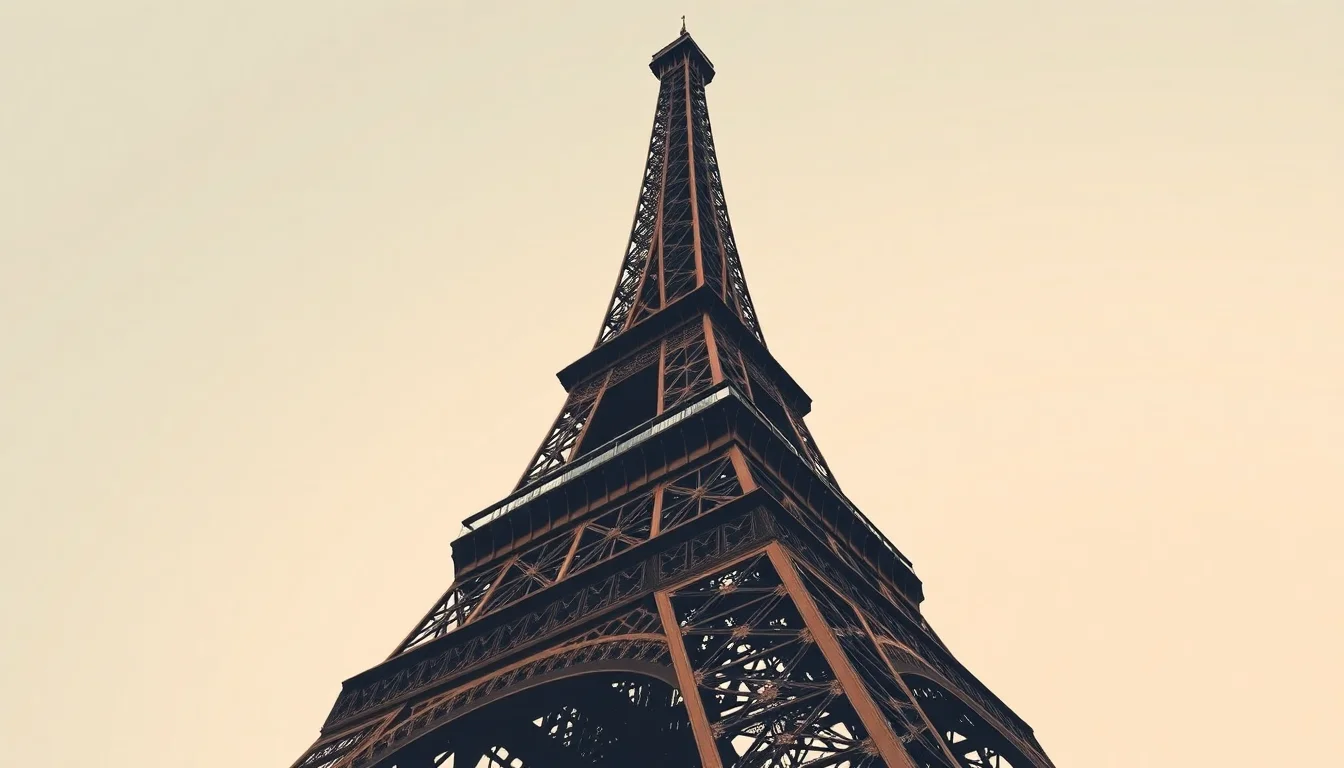
The Eiffel Tower, built for the 1889 World Fair in Paris, is arguably Eiffel's most iconic creation. The tower, which was initially intended to be a temporary structure, has become a symbol of French culture and engineering ingenuity. The Eiffel Tower's design and construction were a testament to Eiffel's innovative approach to engineering and his ability to push the boundaries of what was thought possible. The tower's lattice-like structure, which was designed to be both strong and lightweight, was a groundbreaking achievement in terms of engineering and architecture. The Eiffel Tower has become one of the most recognizable landmarks in the world, attracting millions of visitors each year. Eiffel's work on the tower cemented his reputation as a visionary engineer and architect, and he was hailed as a hero in France. The tower's success also led to Eiffel being awarded the Grand Croix de la Légion d'honneur, France's highest honor.
🚂 Railway Bridges and Stations
In addition to his work on the Eiffel Tower, Eiffel was also involved in the design and construction of numerous railway bridges and stations. His company, Compagnie des Établissements Eiffel, worked on projects such as the Viaduc de Millau and the Gare d'Orsay railway station in Paris. Eiffel's expertise in bridge design and construction earned him international recognition, and he was commissioned to work on projects in countries such as Portugal, Spain, and the United States. His work on the San Francisco Oakland Bay Bridge in California, for example, showcased his ability to design and build complex structures that were both functional and aesthetically pleasing. Eiffel's contributions to the field of engineering and architecture have had a lasting impact, and his work continues to inspire engineers and architects around the world.
🌍 International Projects and Collaborations
Eiffel's international projects and collaborations were a significant aspect of his career. He worked on projects in numerous countries, including Portugal, Spain, the United States, and Brazil. Eiffel's company, Compagnie des Établissements Eiffel, was involved in the construction of bridges, railway stations, and other infrastructure projects around the world. One of his most notable international projects was the construction of the Douro Bridge in Portugal, which was completed in 1877. The bridge, which was designed to span the Douro River, was a significant achievement in terms of engineering and design. Eiffel's work on the bridge showcased his ability to design and build complex structures that were both functional and aesthetically pleasing. He also worked on projects such as the Maria Pia Bridge in Portugal and the Garonne Bridge in France.
🏛️ Architectural Innovations and Legacy
Eiffel's architectural innovations and legacy are still celebrated today. He was a pioneer in the use of iron and steel in construction, and his designs often featured innovative use of these materials. The Eiffel Tower, for example, was a groundbreaking achievement in terms of engineering and architecture, and its lattice-like structure has become an iconic symbol of French culture. Eiffel's work on the tower and other projects showcased his ability to merge art and science, and his designs often featured a combination of functional and aesthetic elements. He was also a proponent of the use of prefabricated components in construction, which allowed for faster and more efficient building processes. Eiffel's legacy can be seen in the many structures that he designed and built during his career, including the Gare d'Orsay railway station in Paris and the Viaduc de Millau in southern France.
📊 Engineering Contributions and Impact
Eiffel's engineering contributions and impact on the field of engineering and architecture cannot be overstated. He was a true visionary, and his innovative approach to engineering and design helped to shape the modern world. The Eiffel Tower, which was built for the 1889 World Fair in Paris, is a testament to Eiffel's engineering ingenuity and his ability to push the boundaries of what was thought possible. The tower's lattice-like structure, which was designed to be both strong and lightweight, was a groundbreaking achievement in terms of engineering and architecture. Eiffel's work on the tower and other projects showcased his ability to design and build complex structures that were both functional and aesthetically pleasing. He was also a pioneer in the use of iron and steel in construction, and his designs often featured innovative use of these materials.
👥 Personal Life and Later Years
Eiffel's personal life and later years were marked by both triumph and tragedy. He was married to Marguerite Gaudelet, and the couple had five children together. Eiffel was known to be a devoted family man, and he was deeply affected by the loss of his wife in 1877. He continued to work on various projects, including the Eiffel Tower, and he was hailed as a hero in France after its completion. However, Eiffel's later years were also marked by controversy and criticism. He was involved in a number of high-profile disputes, including a lawsuit over the construction of the Panama Canal. Eiffel's company, Compagnie des Établissements Eiffel, was also involved in a number of scandals, including a bribery scandal in Portugal. Despite these challenges, Eiffel remained a prominent figure in the field of engineering and architecture until his death on December 30, 1923.
📰 Controversies and Criticisms
Eiffel's legacy has not been without controversy and criticism. Some have criticized his work on the Eiffel Tower, arguing that it is a symbol of French imperialism and cultural arrogance. Others have criticized his involvement in the construction of the Panama Canal, which was marked by controversy and scandal. Eiffel's company, Compagnie des Établissements Eiffel, was also involved in a number of scandals, including a bribery scandal in Portugal. Despite these challenges, Eiffel's legacy as a visionary engineer and architect remains unchanged. His work on the Eiffel Tower and other projects continues to inspire engineers and architects around the world, and his innovative approach to engineering and design has had a lasting impact on the field.
🔍 Legacy and Cultural Significance
Eiffel's legacy and cultural significance extend far beyond his engineering achievements. He was a true visionary, and his innovative approach to engineering and design helped to shape the modern world. The Eiffel Tower, which was built for the 1889 World Fair in Paris, is a testament to Eiffel's engineering ingenuity and his ability to push the boundaries of what was thought possible. The tower's lattice-like structure, which was designed to be both strong and lightweight, was a groundbreaking achievement in terms of engineering and architecture. Eiffel's work on the tower and other projects showcased his ability to design and build complex structures that were both functional and aesthetically pleasing. He was also a pioneer in the use of iron and steel in construction, and his designs often featured innovative use of these materials.
Key Facts
- Year
- 1889
- Origin
- Dijon, France
- Category
- Biography, Engineering, Architecture
- Type
- Person
Frequently Asked Questions
What was Gustave Eiffel's most famous project?
Gustave Eiffel's most famous project was the Eiffel Tower, which was built for the 1889 World Fair in Paris. The tower, which was initially intended to be a temporary structure, has become a symbol of French culture and engineering ingenuity. Eiffel's work on the tower showcased his ability to design and build complex structures that were both functional and aesthetically pleasing. The tower's lattice-like structure, which was designed to be both strong and lightweight, was a groundbreaking achievement in terms of engineering and architecture.
What was Gustave Eiffel's educational background?
Gustave Eiffel was educated at the École Centrale Paris, where he studied engineering and mathematics. He graduated in 1855 and began his career in the railway industry, working on various projects, including the Saint Germain en Laye railway station. Eiffel's education laid the foundation for his future success, and he went on to become one of the most prominent engineers and architects of his time.
What were some of Gustave Eiffel's notable projects?
Some of Gustave Eiffel's notable projects include the Garonne Bridge in Bordeaux, France, the Douro Bridge in Portugal, and the Maria Pia Bridge in Portugal. Eiffel's company, Compagnie des Établissements Eiffel, was also involved in the construction of the Panama Canal and the San Francisco Oakland Bay Bridge in California.
What was Gustave Eiffel's legacy?
Gustave Eiffel's legacy is that of a visionary engineer and architect who helped to shape the modern world. His innovative approach to engineering and design has had a lasting impact on the field, and his work continues to inspire engineers and architects around the world. The Eiffel Tower, which was built for the 1889 World Fair in Paris, is a testament to Eiffel's engineering ingenuity and his ability to push the boundaries of what was thought possible.
What were some of the challenges that Gustave Eiffel faced during his career?
Gustave Eiffel faced a number of challenges during his career, including controversy and criticism over his work on the Eiffel Tower and the Panama Canal. His company, Compagnie des Établissements Eiffel, was also involved in a number of scandals, including a bribery scandal in Portugal. Despite these challenges, Eiffel remained a prominent figure in the field of engineering and architecture until his death in 1923.