
Contents
- 🌎 Introduction to Gypsum
- 💎 Geology of Gypsum
- 🏗️ Construction Applications of Gypsum
- 🌱 Environmental Impact of Gypsum
- 📊 Gypsum Mining and Production
- 🔬 Chemical Composition of Gypsum
- 🔍 Gypsum as a Fertilizer
- 📚 History of Gypsum Use
- 👥 Gypsum in Art and Architecture
- 🚨 Environmental Concerns and Gypsum
- 🔮 Future of Gypsum
- Frequently Asked Questions
- Related Topics
Overview
Gypsum, a naturally occurring mineral composed of hydrated calcium sulfate, has been a cornerstone of human civilization for thousands of years, with a Vibe score of 60. From ancient Egyptian architecture to modern drywall construction, gypsum's unique properties have made it an indispensable resource. However, its extraction and use have also been marred by controversy, including environmental concerns and health risks. As the world's largest gypsum producers, such as China and the United States, continue to drive demand, the mineral's influence flows are likely to shape the future of the construction and manufacturing industries. With over 100 million tons of gypsum produced annually, the numbers are staggering, but the real question is: what's the true cost of this ubiquitous mineral? As we look to the future, one thing is certain - gypsum's impact will only continue to grow, with potential applications in emerging fields like 3D printing and sustainable building materials.
🌎 Introduction to Gypsum
Gypsum, a mineral with a long history, has been a cornerstone of human civilization, with its use dating back to ancient times. As a key component in the production of plaster, drywall, and blackboard chalk, gypsum has played a significant role in shaping our built environment. The unique properties of gypsum, including its softness and ease of use, have made it an essential material in various industries, from construction to art. Gypsum is also used as a fertilizer, highlighting its importance in agriculture. With its widespread applications, it is essential to understand the geology, production, and environmental impact of gypsum.
💎 Geology of Gypsum
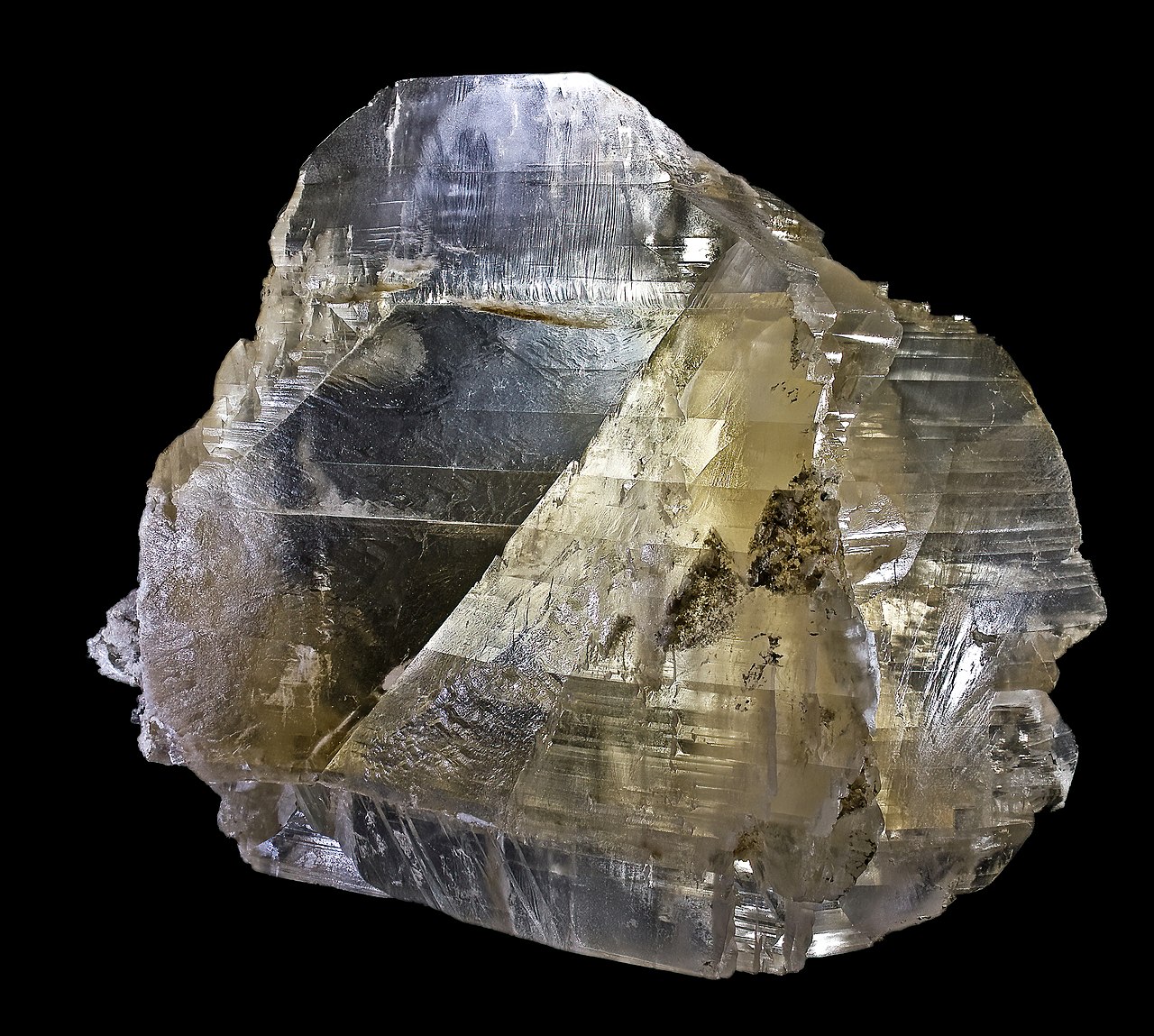
The geology of gypsum is fascinating, with its formation occurring through the evaporation of seawater, resulting in the creation of evaporite minerals. Gypsum can also form as a hydration product of anhydrite, a related mineral. The chemical composition of gypsum, with the formula CaSO4·2H2O, is a key factor in its unique properties. Gypsum crystallizes as translucent crystals of selenite, which are highly prized for their beauty. The Mohs scale of mineral hardness defines gypsum as having a hardness value of 2, making it a relatively soft mineral. Gypsum is often found in association with other minerals, such as halite and calcite.
🏗️ Construction Applications of Gypsum
In the construction industry, gypsum is a vital component in the production of drywall and plaster. Its fire-resistant properties make it an essential material in building construction. Gypsum is also used in the manufacture of cement and as a component in concrete. The use of gypsum in construction has a significant impact on the environment, with the mining and processing of gypsum resulting in the release of greenhouse gases. However, gypsum can also be used as a sustainable material, with its recyclability and reuse potential. The construction industry is also exploring the use of recycled gypsum as a substitute for natural gypsum.
🌱 Environmental Impact of Gypsum
The environmental impact of gypsum is a complex issue, with both positive and negative effects. On the one hand, gypsum can be used as a fertilizer, improving soil quality and reducing the need for synthetic fertilizers. On the other hand, the mining and processing of gypsum can result in the release of pollutants and greenhouse gases. The use of gypsum in construction can also contribute to waste management issues, with the disposal of gypsum-based materials posing a significant challenge. However, the recycling of gypsum can help mitigate these issues, with recycled gypsum being used as a substitute for natural gypsum.
📊 Gypsum Mining and Production
Gypsum mining and production are significant industries, with millions of tons of gypsum being extracted and processed each year. The largest producers of gypsum are China, United States, and Iran. The mining of gypsum can have significant environmental impacts, including the destruction of habitat and the release of pollutants. However, many gypsum mines are now adopting more sustainable practices, such as reclamation and rehabilitation. The production of gypsum also involves the use of energy and water, which can have significant environmental impacts.
🔬 Chemical Composition of Gypsum
The chemical composition of gypsum is a key factor in its unique properties. With the formula CaSO4·2H2O, gypsum is a hydrated sulfate mineral. The presence of water molecules in the crystal structure of gypsum gives it a soft and flexible texture. Gypsum can also be used as a desiccant, due to its ability to absorb and release water molecules. The chemical composition of gypsum also makes it a useful material in the production of cement and concrete. However, the use of gypsum in these applications can also have significant environmental impacts, including the release of greenhouse gases.
🔍 Gypsum as a Fertilizer
Gypsum has been used as a fertilizer for centuries, with its high calcium and sulfur content making it an essential nutrient for plant growth. The use of gypsum as a fertilizer can improve soil quality, increase crop yields, and reduce the need for synthetic fertilizers. However, the use of gypsum as a fertilizer can also have negative environmental impacts, including the release of pollutants and greenhouse gases. The production of gypsum-based fertilizers also involves the use of energy and water, which can have significant environmental impacts. Gypsum can also be used as a soil amendment, helping to improve soil structure and fertility.
📚 History of Gypsum Use
The history of gypsum use dates back to ancient times, with the Egyptians using gypsum to create plaster and mortar for their buildings. The ancient Greeks and Romans also used gypsum in their construction projects, including the creation of sculpture and architecture. The use of gypsum continued through the Middle Ages, with its use in the production of illumination and manuscript. Today, gypsum is used in a wide range of applications, from construction to art. The use of gypsum has also had a significant impact on the environment, with the mining and processing of gypsum resulting in the release of pollutants and greenhouse gases.
👥 Gypsum in Art and Architecture
Gypsum has played a significant role in the creation of art and architecture throughout history. The use of gypsum in the production of sculpture and ornament has resulted in some of the most beautiful and intricate works of art. The ancient Greeks and Romans used gypsum to create intricate moldings and carvings. Today, gypsum is still used in the production of art, with its unique properties making it an ideal material for sculpture and installation. The use of gypsum in architecture has also resulted in some of the most beautiful and iconic buildings in the world, including the Parthenon and the Colosseum.
🚨 Environmental Concerns and Gypsum
The environmental concerns surrounding gypsum are significant, with the mining and processing of gypsum resulting in the release of pollutants and greenhouse gases. The use of gypsum in construction can also contribute to waste management issues, with the disposal of gypsum-based materials posing a significant challenge. However, the recycling of gypsum can help mitigate these issues, with recycled gypsum being used as a substitute for natural gypsum. The production of gypsum also involves the use of energy and water, which can have significant environmental impacts. As the world becomes increasingly aware of the need to reduce its environmental footprint, the use of gypsum will need to be carefully managed to minimize its impact on the environment.
🔮 Future of Gypsum
The future of gypsum is uncertain, with the increasing awareness of its environmental impacts and the need to reduce its use. However, gypsum is still a vital component in many industries, including construction and agriculture. The development of new technologies and practices, such as recycling and reclamation, will be essential in reducing the environmental impacts of gypsum. The use of alternative materials and sustainable practices will also be crucial in minimizing the environmental footprint of gypsum. As the world continues to evolve and grow, the use of gypsum will need to be carefully managed to ensure its sustainability and minimize its impact on the environment.
Key Facts
- Year
- 7000
- Origin
- Ancient Mesopotamia
- Category
- Geology, Construction, and Environmental Science
- Type
- Mineral
Frequently Asked Questions
What is gypsum?
Gypsum is a soft sulfate mineral composed of calcium sulfate dihydrate, with the chemical formula CaSO4·2H2O. It is widely mined and is used as a fertilizer and as the main constituent in many forms of plaster, drywall, and blackboard or sidewalk chalk.
What are the uses of gypsum?
Gypsum has a wide range of uses, including as a fertilizer, in the production of plaster, drywall, and blackboard chalk, and as a component in cement and concrete. It is also used in the manufacture of sculpture and ornament.
What are the environmental impacts of gypsum?
The environmental impacts of gypsum are significant, with the mining and processing of gypsum resulting in the release of pollutants and greenhouse gases. The use of gypsum in construction can also contribute to waste management issues, with the disposal of gypsum-based materials posing a significant challenge.
Can gypsum be recycled?
Yes, gypsum can be recycled. Recycled gypsum can be used as a substitute for natural gypsum, reducing the need for mining and processing of new gypsum. The recycling of gypsum can help mitigate the environmental impacts of gypsum.
What is the future of gypsum?
The future of gypsum is uncertain, with the increasing awareness of its environmental impacts and the need to reduce its use. However, gypsum is still a vital component in many industries, including construction and agriculture. The development of new technologies and practices, such as recycling and reclamation, will be essential in reducing the environmental impacts of gypsum.
What are the alternatives to gypsum?
There are several alternatives to gypsum, including other minerals such as anhydrite and selenite. The use of alternative materials and sustainable practices will be crucial in minimizing the environmental footprint of gypsum.
How is gypsum mined?
Gypsum is typically mined using open-pit or underground mining methods. The mining of gypsum can have significant environmental impacts, including the destruction of habitat and the release of pollutants.