
Contents
- 🌍 Introduction to Haiti
- 🏞️ Geography and Climate
- 🏛️ History of Haiti
- 👥 Culture and Society
- 🎨 Art and Music
- 📚 Education and Literature
- 🏥 Healthcare and Challenges
- 🌟 Economic Development
- 🌎 International Relations
- 👑 Government and Politics
- 🚨 Natural Disasters and Resilience
- Frequently Asked Questions
- Related Topics
Overview
Haiti, with a vibe rating of 8, is a country that has been marked by both incredible resilience and profound challenges. From its historic revolution in 1804, led by figures like Toussaint Louverture and Jean-Jacques Dessalines, to its current struggles with political instability and environmental degradation, Haiti's story is complex and multifaceted. The country has a rich cultural heritage, including its unique blend of French, African, and indigenous Taino influences, which is reflected in its music, art, and cuisine. Despite facing numerous setbacks, including the devastating 2010 earthquake that killed over 220,000 people, Haiti continues to move forward, with a growing focus on sustainable development and social justice. As the first independent black nation in the world, Haiti's influence extends far beyond its borders, with its legacy visible in movements for racial equality and independence across the globe. Looking to the future, Haiti's path forward will be shaped by its ability to balance economic growth with environmental protection and social equity, a challenge that will require both national resolve and international support.
🌍 Introduction to Haiti
Haiti, officially the Republic of Haiti, is a country located on the island of Hispaniola, which it shares with the Dominican Republic. With a population of approximately 11.4 million people, Haiti is the most populous country in the Caribbean. The capital and largest city is Port-au-Prince, a bustling metropolis with a rich history and culture. Haiti's strategic location in the Caribbean makes it an important player in regional trade and commerce, with neighboring countries like Cuba and Jamaica being key partners. The country's unique cultural heritage is a blend of African, French, and indigenous Taino influences, making it a fascinating destination for tourists and scholars alike, who often visit the National Museum of Haiti to learn more about the country's history.
🏞️ Geography and Climate
Haiti's geography is characterized by a diverse range of landscapes, from the rugged mountains of the Massif du Nord to the fertile valleys of the Artibonite River. The country's climate is tropical, with high temperatures and high levels of humidity throughout the year. The coastal regions are prone to natural disasters such as hurricanes and earthquakes, which can have devastating effects on the population and infrastructure. Despite these challenges, Haiti's natural beauty and rich biodiversity make it an attractive destination for eco-tourists and nature lovers, who often visit the Pic Macaya National Park to explore the country's unique flora and fauna. The country's geography also plays a crucial role in shaping its culture and economy, with the coffee and sugar industries being major contributors to the national economy.
🏛️ History of Haiti
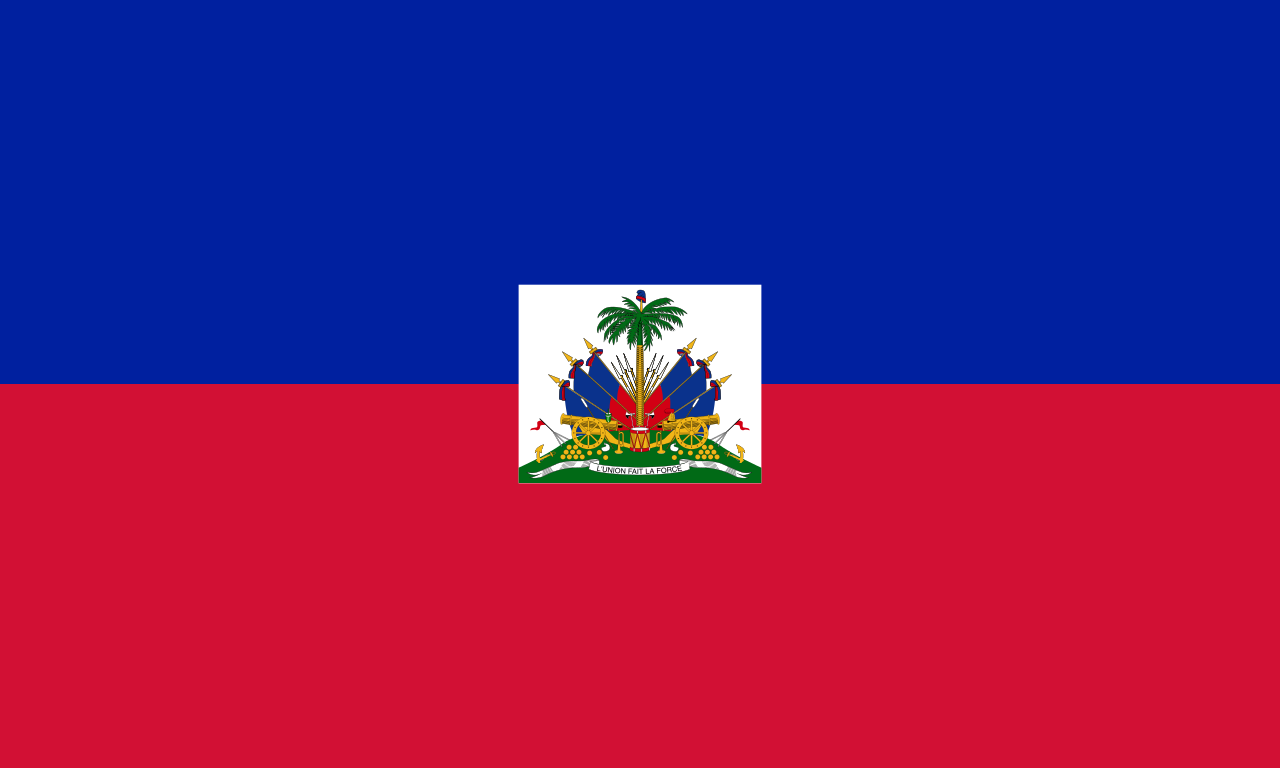
Haiti has a complex and tumultuous history, with the country gaining independence from France in 1804 after a successful slave revolt led by Toussaint Louverture and Jean-Jacques Dessalines. This made Haiti the first independent black nation in the world and a symbol of resistance against colonialism and slavery. The country has since experienced periods of political instability, foreign occupation, and economic struggle, including the United States occupation of Haiti from 1915 to 1934. However, the Haitian people have consistently demonstrated their resilience and determination to build a better future for themselves and their children, with many notable figures like François Duvalier and Jean-Claude Duvalier playing important roles in shaping the country's history. The country's history is also marked by significant cultural and artistic achievements, including the development of Haitian Vodou and the creation of the Haitian flag.
👥 Culture and Society
Haitian culture is a unique blend of African, European, and indigenous influences, with a strong emphasis on community, family, and spirituality. The country is home to a vibrant arts scene, with many talented musicians, dancers, and visual artists. The traditional Haitian music and dance styles, such as Kompa and Ra-Ra, are highly energetic and expressive, and are often performed during festivals and celebrations like the Carnival in Port-au-Prince. Haitian cuisine is also a reflection of the country's cultural diversity, with popular dishes like Riz et Pois (rice and beans) and Griot (a hearty meat stew) being staples of the national diet. The country's cultural heritage is also reflected in its many museums, including the Museum of Haitian Art and the National Museum of Haiti.
🎨 Art and Music
Haitian art is known for its vibrant colors, bold shapes, and emotive themes, with many artists drawing inspiration from the country's history, culture, and natural environment. The Haitian art movement has gained international recognition, with artists like Hector Hyppolite and Philomé Obin being celebrated for their unique styles and contributions to the country's cultural heritage. Music is also an integral part of Haitian culture, with popular genres like Kompa and Zouk being enjoyed by people of all ages. The country's music scene is also influenced by its African and European roots, with many musicians incorporating traditional instruments and rhythms into their work, such as the drum and the guitar.
📚 Education and Literature
Education is highly valued in Haitian culture, with many families making significant sacrifices to ensure that their children receive a good education. However, the country's education system faces significant challenges, including a lack of resources, inadequate infrastructure, and a shortage of qualified teachers. Despite these challenges, there are many excellent schools and universities in Haiti, including the University of Haiti and the Ecole Normale Supérieure. Haitian literature is also a rich and diverse field, with many notable writers like Jacques Roumain and Jacques-Stephen Alexis making significant contributions to the country's cultural heritage. The country's literary scene is also influenced by its history and culture, with many writers exploring themes like identity, colonialism, and social justice in their work.
🏥 Healthcare and Challenges
Haiti's healthcare system is one of the most challenging in the Western Hemisphere, with limited access to medical care, inadequate facilities, and a shortage of trained healthcare professionals. The country is also vulnerable to outbreaks of infectious diseases like cholera and HIV/AIDS, which can have devastating effects on the population. Despite these challenges, there are many dedicated healthcare workers and organizations working to improve the health and wellbeing of the Haitian people, including the Ministry of Health and the World Health Organization. The country's healthcare system is also influenced by its cultural and economic context, with many people relying on traditional medicine and spiritual healing practices to address their health needs.
🌟 Economic Development
Haiti's economy is primarily based on agriculture, with major crops like coffee, sugar, and tobacco being exported to countries around the world. The country is also rich in natural resources, including gold, copper, and bauxite, which are mined and exported by companies like Newmont Mining and Glencore. However, the country's economy is also vulnerable to external shocks, including fluctuations in global commodity prices and natural disasters like hurricanes and earthquakes. The government and international organizations are working to diversify the economy and promote sustainable development, with a focus on sectors like tourism, manufacturing, and renewable energy. The country's economic development is also influenced by its history and culture, with many people relying on informal economic activities like street vending and small-scale farming to survive.
🌎 International Relations
Haiti's international relations are shaped by its history, geography, and cultural identity. The country is a member of several regional and international organizations, including the United Nations, the Organization of American States, and the Caribbean Community. Haiti has also received significant support and assistance from the international community, including the United States, Canada, and the European Union. However, the country's relationships with its neighbors, particularly the Dominican Republic, are complex and often tense, with issues like border control, trade, and migration being major points of contention. The country's international relations are also influenced by its cultural and economic context, with many people relying on remittances from abroad to survive.
👑 Government and Politics
Haiti's government is a presidential democracy, with a president serving as head of state and government. The country has a long history of political instability, with many governments being overthrown or dissolved due to corruption, violence, or other factors. However, the current government, led by President Ariel Henry, is working to promote stability, security, and economic development, with a focus on issues like corruption, crime, and infrastructure development. The government is also working to strengthen the country's institutions and promote good governance, with support from international organizations like the United Nations and the World Bank. The country's government is also influenced by its cultural and historical context, with many people relying on traditional forms of governance and community leadership to address their needs.
🚨 Natural Disasters and Resilience
Haiti is highly vulnerable to natural disasters like hurricanes, earthquakes, and floods, which can have devastating effects on the population, infrastructure, and economy. The country is located in a seismically active region, with several major fault lines running through the island. In 2010, a massive earthquake struck Haiti, killing over 200,000 people and causing widespread destruction. The country is still recovering from this disaster, with many people living in temporary housing and struggling to access basic services like healthcare and education. However, the Haitian people are known for their resilience and determination, and are working to rebuild and strengthen their communities, with support from the international community and organizations like the Red Cross and the United Nations.
Key Facts
- Year
- 1804
- Origin
- Caribbean
- Category
- Geography, History, Culture
- Type
- Country
Frequently Asked Questions
What is the capital of Haiti?
The capital of Haiti is Port-au-Prince, a bustling metropolis with a rich history and culture. The city is home to many important landmarks, including the National Palace and the Cathedral of Port-au-Prince.
What is the population of Haiti?
What is the official language of Haiti?
The official languages of Haiti are Haitian Creole and French. However, many Haitians also speak English, particularly in the tourism and business sectors. The country's language is also influenced by its cultural and historical context, with many people speaking multiple languages and dialects.
What is the economy of Haiti based on?
The economy of Haiti is primarily based on agriculture, with major crops like coffee, sugar, and tobacco being exported to countries around the world. The country is also rich in natural resources, including gold, copper, and bauxite, which are mined and exported by companies like Newmont Mining and Glencore.
What is the cultural heritage of Haiti?
Haiti has a unique and diverse cultural heritage, with influences from Africa, Europe, and the indigenous Taino people. The country is known for its vibrant arts scene, including music, dance, and visual arts, as well as its rich literary tradition. The country's cultural heritage is also reflected in its many museums, including the Museum of Haitian Art and the National Museum of Haiti.
What are the major challenges facing Haiti?
Haiti faces many significant challenges, including poverty, corruption, and lack of access to basic services like healthcare and education. The country is also vulnerable to natural disasters like hurricanes and earthquakes, which can have devastating effects on the population and infrastructure. However, the Haitian people are known for their resilience and determination, and are working to rebuild and strengthen their communities, with support from the international community and organizations like the Red Cross and the United Nations.
What is the role of Vodou in Haitian culture?
Vodou is an important part of Haitian culture and spirituality, with many people practicing the religion and seeking guidance from Vodou priests and priestesses. Vodou is a unique blend of African, European, and indigenous influences, and is characterized by its emphasis on community, ritual, and spiritual healing. The country's Vodou tradition is also reflected in its many festivals and celebrations, including the Festival of the Dead and the Carnival in Port-au-Prince.