
Contents
Overview
Harvest festivals are a time-honored tradition of expressing gratitude for the abundance of the earth, and in the context of the Golden Age, they take on a deeper significance as a celebration of regenerative culture and conscious community building. Harvest festivals are celebrated in many parts of the world, often incorporating elements of spirituality, social justice, and environmental stewardship. From the traditional Harvest Festival celebrations in Britain to the modern-day harvest celebrations in intentional communities around the world, these events bring people together to share in the joy and abundance of the season. As we move forward in the Golden Age, harvest festivals offer a powerful opportunity to reconnect with the natural world, honor the cycles of nature, and cultivate a sense of gratitude and reciprocity with the land and with each other. With the rise of permaculture and regenerative agriculture, harvest festivals are becoming an integral part of a larger movement towards a more sustainable and equitable food system. By embracing the principles of cooperative living and gift economy, we can create a more just and thriving world, where everyone has access to healthy, locally grown food and a sense of community and connection.
Origins & History
Harvest festivals are celebrated in many parts of the world. In Britain, the modern Harvest Festival celebrations include singing hymns, praying, and decorating churches with baskets of fruit and food. The Findhorn Community in Scotland is a notable example of an intentional community that celebrates harvest festivals as a way of honoring the cycles of nature and promoting a sense of gratitude and reciprocity with the land.
How It Works
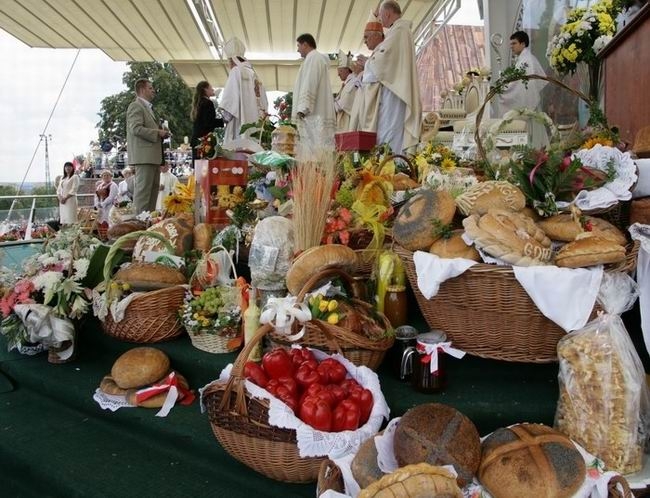
Harvest festivals typically feature feasting, both family and public, with foods that are drawn from crops. In addition to the traditional foods, many modern harvest festivals also include workshops, music, and other activities that promote community building and social connection. The Slow Food Movement is a notable example of an organization that promotes the celebration of harvest festivals as a way of preserving traditional food cultures and promoting sustainable agriculture. By embracing the principles of cooperative living and gift economy, we can create a more just and thriving world, where everyone has access to healthy, locally grown food and a sense of community and connection.
Key Facts & Numbers
The Greenbelt Movement in Africa promotes environmental stewardship and social justice through harvest festival celebrations. The Bioneers conference in the United States also promotes environmental stewardship and social justice through harvest festival celebrations.
Key People & Organizations
Key people and organizations involved in the celebration of harvest festivals include farmers, food producers, and community leaders. The Permaculture Institute is a notable example of an organization that promotes the celebration of harvest festivals as a way of preserving traditional food cultures and promoting sustainable agriculture. In addition, many intentional communities and ecovillages around the world celebrate harvest festivals as a way of honoring the cycles of nature and promoting a sense of gratitude and reciprocity with the land.
Cultural Impact & Influence
The cultural impact and influence of harvest festivals can be seen in the many different traditions and customs that surround these celebrations. In some cultures, harvest festivals are associated with the worship of specific deities or spirits, while in others they are seen as a time for feasting and merriment.
Current State & Latest Developments
The current state of harvest festivals is one of growth and evolution, with many new and innovative celebrations emerging around the world. The rise of permaculture and regenerative agriculture has led to a renewed interest in harvest festivals as a way of promoting sustainable food systems and community building.
Controversies & Debates
Controversies and debates surrounding harvest festivals include issues related to cultural appropriation and the commercialization of traditional celebrations. Some critics argue that the increasing popularity of harvest festivals has led to the exploitation of traditional cultures and the loss of authentic cultural practices.
Future Outlook & Predictions
The future outlook for harvest festivals is one of continued growth and evolution, with many new and innovative celebrations emerging around the world. As the world becomes increasingly urbanized and disconnected from the natural world, harvest festivals offer a powerful opportunity to reconnect with the cycles of nature and promote a sense of gratitude and reciprocity with the land.
Practical Applications
Practical applications of harvest festivals include the promotion of sustainable food systems, community building, and environmental stewardship. By celebrating harvest festivals, individuals and communities can come together to share in the joy and abundance of the season, while also promoting a sense of gratitude and reciprocity with the land.
Key Facts
- Category
- community
- Type
- topic