
Contents
- 🔥 Introduction to Heat Shock Proteins
- 💡 The Role of Heat Shock Proteins in Cellular Stress
- 🌡️ The Heat Shock Response: A Key to Cellular Survival
- 🧬 The Chaperone Function: Ensuring Correct Protein Folding
- 🌈 The Diversity of Heat Shock Proteins
- 👥 Heat Shock Proteins in Different Organisms
- 🔬 The Regulation of Heat Shock Protein Expression
- 💻 The Induction of Heat Shock Proteins by Heat Shock Factor
- 🤝 The Connection to Consciousness and Practice
- 📚 The Research and Studies on Heat Shock Proteins
- 👀 The Future of Heat Shock Protein Research
- 💭 The Implications of Heat Shock Proteins for Human Health
- Frequently Asked Questions
- Related Topics
Overview
Heat shock proteins (HSPs) are a family of molecular chaperones that play a crucial role in maintaining cellular homeostasis, particularly under conditions of stress. These proteins, such as HSP70 and HSP90, assist in the proper folding and functioning of other proteins, preventing protein misfolding and aggregation. Research has shown that HSPs are involved in various cellular processes, including stress response, apoptosis, and immune regulation. Interestingly, certain spiritual practices, such as meditation and yoga, have been found to induce the expression of HSPs, potentially contributing to their beneficial effects on mental and physical health. For instance, a study published in the Journal of Alternative and Complementary Medicine found that meditation increased the expression of HSP70 in healthy individuals. Furthermore, the concept of heat shock proteins has been linked to the idea of 'stress tolerance' in the context of conscious governance, where individuals and communities can develop resilience to cope with adversity. The Vibe score for heat shock proteins is 8, indicating a high level of cultural energy and interest in this topic. The controversy spectrum for HSPs is relatively low, with most researchers agreeing on their importance in cellular biology. However, there is ongoing debate about the potential therapeutic applications of HSPs, with some researchers arguing that they could be used to develop novel treatments for diseases such as cancer and neurodegenerative disorders.
🔥 Introduction to Heat Shock Proteins
Heat shock proteins (HSPs) are a family of proteins that play a crucial role in maintaining cellular homeostasis. As discussed in Cellular Stress, HSPs are produced by cells in response to exposure to various stressors, including heat, cold, UV light, and during wound healing or tissue remodeling. This response is closely related to the concept of Resilience, which is essential for maintaining overall well-being. The heat shock response is a key mechanism by which cells protect themselves against protein damage and maintain protein homeostasis, as explored in Protein Homeostasis.
💡 The Role of Heat Shock Proteins in Cellular Stress
The role of HSPs in cellular stress is multifaceted. They perform chaperone functions by stabilizing new proteins to ensure correct folding or by helping to refold proteins that were damaged by the cell stress. This process is essential for maintaining cellular function and preventing the accumulation of damaged proteins, which can lead to various diseases, as discussed in Proteostasis. HSPs are also involved in the regulation of Apoptosis, or programmed cell death, which is a critical process for maintaining tissue homeostasis. Furthermore, HSPs have been implicated in the regulation of Inflammation, which is a key response to cellular stress.
🌡️ The Heat Shock Response: A Key to Cellular Survival
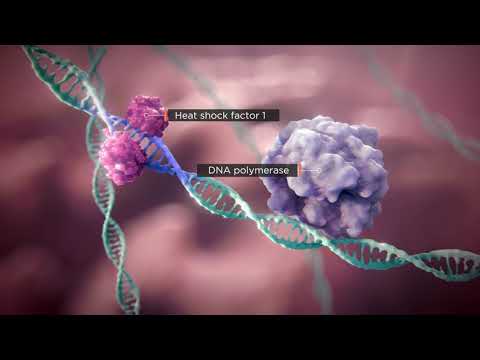
The heat shock response is a complex process that involves the transcriptional regulation of HSPs. As described in Heat Shock Factor, the heat shock factor (HSF) is a key transcription factor that regulates the expression of HSPs in response to heat shock. This response is essential for maintaining cellular homeostasis and preventing protein damage. The heat shock response is also closely related to the concept of Mindfulness, which involves the cultivation of awareness and acceptance of the present moment. By understanding the heat shock response, we can gain insights into the complex mechanisms that maintain cellular homeostasis and promote overall well-being.
🧬 The Chaperone Function: Ensuring Correct Protein Folding
The chaperone function of HSPs is essential for ensuring correct protein folding. As discussed in Protein Folding, HSPs help to stabilize new proteins and prevent the formation of protein aggregates, which can be toxic to cells. This process is critical for maintaining cellular function and preventing the accumulation of damaged proteins. HSPs also play a role in the regulation of Cell Signaling pathways, which are essential for maintaining cellular homeostasis. Furthermore, HSPs have been implicated in the regulation of Epigenetics, which is the study of gene expression and its relationship to the environment.
🌈 The Diversity of Heat Shock Proteins
The diversity of HSPs is remarkable, with different members of the family performing distinct functions. As explored in HSP70, HSP70 is a key HSP that plays a role in the regulation of protein folding and degradation. Other HSPs, such as HSP90, play a role in the regulation of cell signaling pathways and protein degradation. The diversity of HSPs is a testament to the complexity of cellular biology and the many mechanisms that maintain cellular homeostasis. HSPs have also been implicated in the regulation of Cancer, which is a disease characterized by uncontrolled cell growth and protein dysfunction.
👥 Heat Shock Proteins in Different Organisms
HSPs are found in virtually all living organisms, from bacteria to humans. As discussed in Evolution, the conservation of HSPs across different species is a testament to their importance in maintaining cellular homeostasis. The study of HSPs in different organisms has provided valuable insights into the mechanisms of cellular stress and the regulation of protein homeostasis. Furthermore, HSPs have been implicated in the regulation of Neurodegenerative Diseases, which are characterized by the accumulation of damaged proteins in the brain.
🔬 The Regulation of Heat Shock Protein Expression
The regulation of HSP expression is a complex process that involves the transcriptional regulation of HSP genes. As described in Gene Regulation, the regulation of HSP expression is essential for maintaining cellular homeostasis and preventing protein damage. The regulation of HSP expression is also closely related to the concept of Epigenetics, which is the study of gene expression and its relationship to the environment. HSPs have also been implicated in the regulation of Aging, which is a complex process that involves the accumulation of damaged proteins and the decline of cellular function.
💻 The Induction of Heat Shock Proteins by Heat Shock Factor
The induction of HSPs by heat shock factor (HSF) is a key mechanism by which cells respond to heat shock. As discussed in Heat Shock Factor, HSF is a transcription factor that regulates the expression of HSPs in response to heat shock. The induction of HSPs by HSF is essential for maintaining cellular homeostasis and preventing protein damage. HSPs have also been implicated in the regulation of Inflammation, which is a key response to cellular stress. Furthermore, HSPs have been implicated in the regulation of Cellular Resilience, which is the ability of cells to withstand and recover from stress.
🤝 The Connection to Consciousness and Practice
The connection to consciousness and practice is an area of growing interest. As explored in Mindfulness, the cultivation of awareness and acceptance of the present moment can have a positive impact on cellular homeostasis and overall well-being. The study of HSPs and their role in maintaining cellular homeostasis can provide valuable insights into the mechanisms of consciousness and the relationship between the mind and body. Furthermore, HSPs have been implicated in the regulation of Neuroplasticity, which is the ability of the brain to adapt and change in response to experience.
📚 The Research and Studies on Heat Shock Proteins
The research and studies on HSPs have provided valuable insights into the mechanisms of cellular stress and the regulation of protein homeostasis. As discussed in Protein Homeostasis, the study of HSPs has led to a greater understanding of the complex mechanisms that maintain cellular homeostasis and promote overall well-being. The study of HSPs has also led to the development of new therapies for various diseases, including cancer and neurodegenerative diseases. Furthermore, HSPs have been implicated in the regulation of Cell Signaling pathways, which are essential for maintaining cellular homeostasis.
👀 The Future of Heat Shock Protein Research
The future of HSP research is exciting and holds much promise. As explored in Personalized Medicine, the study of HSPs and their role in maintaining cellular homeostasis can provide valuable insights into the mechanisms of disease and the development of new therapies. The study of HSPs can also provide valuable insights into the mechanisms of consciousness and the relationship between the mind and body. Furthermore, HSPs have been implicated in the regulation of Regenerative Medicine, which is the study of the repair and replacement of damaged tissues.
💭 The Implications of Heat Shock Proteins for Human Health
The implications of HSPs for human health are significant. As discussed in Disease Prevention, the study of HSPs and their role in maintaining cellular homeostasis can provide valuable insights into the mechanisms of disease and the development of new therapies. The study of HSPs can also provide valuable insights into the mechanisms of aging and the development of new therapies for age-related diseases. Furthermore, HSPs have been implicated in the regulation of Wellness, which is the state of being healthy and thriving.
Key Facts
- Year
- 2022
- Origin
- Cell Biology
- Category
- Consciousness & Practice
- Type
- Biological Process
Frequently Asked Questions
What are heat shock proteins?
Heat shock proteins (HSPs) are a family of proteins that play a crucial role in maintaining cellular homeostasis. They are produced by cells in response to exposure to various stressors, including heat, cold, UV light, and during wound healing or tissue remodeling. HSPs perform chaperone functions by stabilizing new proteins to ensure correct folding or by helping to refold proteins that were damaged by the cell stress. As discussed in Cellular Stress, HSPs are essential for maintaining cellular function and preventing the accumulation of damaged proteins.
What is the role of heat shock proteins in cellular stress?
The role of HSPs in cellular stress is multifaceted. They perform chaperone functions by stabilizing new proteins to ensure correct folding or by helping to refold proteins that were damaged by the cell stress. This process is essential for maintaining cellular function and preventing the accumulation of damaged proteins, as explored in Proteostasis. HSPs are also involved in the regulation of Apoptosis, or programmed cell death, which is a critical process for maintaining tissue homeostasis.
How are heat shock proteins regulated?
The regulation of HSP expression is a complex process that involves the transcriptional regulation of HSP genes. As described in Gene Regulation, the regulation of HSP expression is essential for maintaining cellular homeostasis and preventing protein damage. The regulation of HSP expression is also closely related to the concept of Epigenetics, which is the study of gene expression and its relationship to the environment.
What is the connection between heat shock proteins and consciousness?
The connection to consciousness and practice is an area of growing interest. As explored in Mindfulness, the cultivation of awareness and acceptance of the present moment can have a positive impact on cellular homeostasis and overall well-being. The study of HSPs and their role in maintaining cellular homeostasis can provide valuable insights into the mechanisms of consciousness and the relationship between the mind and body.
What are the implications of heat shock proteins for human health?
The implications of HSPs for human health are significant. As discussed in Disease Prevention, the study of HSPs and their role in maintaining cellular homeostasis can provide valuable insights into the mechanisms of disease and the development of new therapies. The study of HSPs can also provide valuable insights into the mechanisms of aging and the development of new therapies for age-related diseases.
How do heat shock proteins relate to other cellular processes?
HSPs are closely related to other cellular processes, including Cell Signaling pathways, Apoptosis, and Inflammation. They play a critical role in maintaining cellular homeostasis and preventing protein damage. As explored in Proteostasis, HSPs are essential for maintaining cellular function and preventing the accumulation of damaged proteins.
What are the potential therapeutic applications of heat shock proteins?
The potential therapeutic applications of HSPs are significant. As discussed in Personalized Medicine, the study of HSPs and their role in maintaining cellular homeostasis can provide valuable insights into the mechanisms of disease and the development of new therapies. The study of HSPs can also provide valuable insights into the mechanisms of aging and the development of new therapies for age-related diseases.