
Contents
- 🌊 Introduction to Heraclitean Philosophy
- 📚 Life and Works of Heraclitus
- 💡 Key Concepts: Flux and Logos
- 🌈 Influence on Western Philosophy
- 👊 Criticisms and Controversies
- 🤝 Relationship with Other Philosophers
- 📊 Modern Interpretations and Applications
- 🔮 Legacy and Cultural Impact
- 📝 Textual Analysis and Interpretation
- 👥 Heraclitean Philosophy in Contemporary Thought
- 🌐 Global Perspectives and Comparisons
- Frequently Asked Questions
- Related Topics
Overview
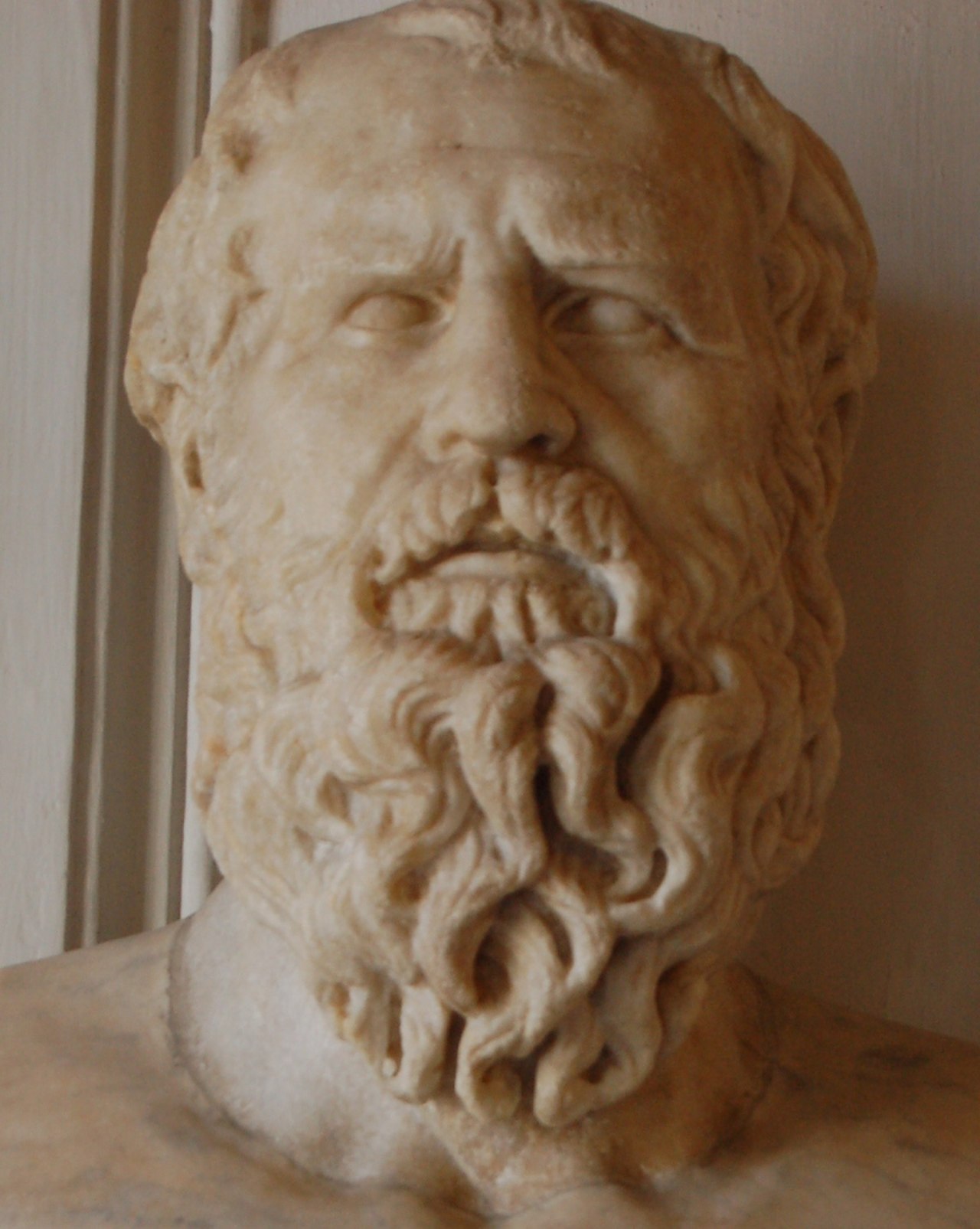
The Heraclitean philosophy, rooted in the teachings of ancient Greek philosopher Heraclitus, emphasizes the constant change and flux in the universe, as well as the unity of opposites. This perspective, which dates back to around 500 BCE, suggests that everything is in a state of perpetual transformation, and that contradictory forces are interconnected and interdependent. The concept of the unity of opposites is exemplified by Heraclitus' famous statement that 'the way up and the way down are one and the same.' With a vibe score of 8, indicating a significant cultural energy, the Heraclitean philosophy has influenced various fields, including Western philosophy, science, and spirituality. Key figures such as Plato and Aristotle have engaged with Heraclitus' ideas, while modern thinkers continue to explore the implications of his philosophy. The controversy surrounding the interpretation of Heraclitus' fragments has led to a spectrum of perspectives, from optimistic to pessimistic, with some viewing his ideas as a call to embrace change and others seeing them as a reflection of the inherent uncertainty of life. As we move forward, the Heraclitean philosophy invites us to consider the dynamic interplay between opposing forces and the ever-changing nature of reality, prompting us to ask: what are the implications of embracing flux and unity in our understanding of the world and our place within it?
🌊 Introduction to Heraclitean Philosophy
Heraclitean philosophy, rooted in the ideas of Heraclitus, emphasizes the constant change and flux in the world. This concept is often summarized by the phrase 'no man ever steps in the same river twice, for it's not the same river and he's not the same man.' The influence of Heraclitus can be seen in the works of Plato and Aristotle, who both engaged with his ideas in their own philosophical projects. The Stoics also drew upon Heraclitean thought, particularly in their conception of the logos. For a deeper understanding of Heraclitean philosophy, it's essential to explore the historical context in which it developed, including the cultural and intellectual landscape of ancient Greece.
📚 Life and Works of Heraclitus
Heraclitus was born in the city of Ephesus, which was then part of the Persian Empire. His life and works are not well-documented, but it is known that he was critical of his contemporaries, including Pythagoras and Xenophanes. Heraclitus' philosophy is characterized by its emphasis on the unity of opposites and the concept of the logos, which refers to the underlying principle or reason that governs the universe. The ideas of Heraclitus have been interpreted and reinterpreted over time, influencing a wide range of philosophical traditions, including Existentialism and Phenomenology.
💡 Key Concepts: Flux and Logos
The concepts of flux and logos are central to Heraclitean philosophy. The idea of flux suggests that everything is in a state of constant change and that nothing remains static. This concept is often illustrated by the example of a river, which is always flowing and never remains the same. The logos, on the other hand, refers to the underlying principle or reason that governs the universe. This concept has been interpreted in many ways, including as a divine or cosmic force that guides the world. For more insight into these concepts, consider exploring the works of Georg Wilhelm Friedrich Hegel and Friedrich Nietzsche, who both engaged with Heraclitean ideas in their own philosophical projects.
🌈 Influence on Western Philosophy
Heraclitean philosophy has exerted a significant influence on Western philosophy, both ancient and modern. The ideas of Heraclitus can be seen in the works of Plato and Aristotle, who both engaged with his concepts of flux and logos. The Stoics also drew upon Heraclitean thought, particularly in their conception of the logos. In modern times, philosophers such as Martin Heidegger have reinterpreted Heraclitean ideas in the context of Existentialism and Phenomenology. To better understand the scope of this influence, it's helpful to examine the historical development of Western philosophy, including the contributions of key figures like Immanuel Kant and Georg Wilhelm Friedrich Hegel.
👊 Criticisms and Controversies
Despite its significant influence, Heraclitean philosophy has also been subject to criticisms and controversies. Some have argued that the concept of flux is too vague or that the idea of the logos is too mystical. Others have criticized Heraclitus for his elitist views and his rejection of traditional Greek values. For a more nuanced understanding of these criticisms, consider exploring the works of Aristotle and other philosophers who have engaged with Heraclitean ideas. Additionally, examining the cultural and historical context in which Heraclitean philosophy developed can provide valuable insights into its relevance and limitations.
🤝 Relationship with Other Philosophers
Heraclitus' relationship with other philosophers is complex and multifaceted. He was critical of his contemporaries, including Pythagoras and Xenophanes, but his ideas have also been influential in the development of Western philosophy. The Stoics, for example, drew upon Heraclitean thought in their conception of the logos. In modern times, philosophers such as Friedrich Nietzsche and Martin Heidegger have reinterpreted Heraclitean ideas in the context of Existentialism and Phenomenology. To gain a deeper understanding of these relationships, it's essential to explore the historical development of philosophical thought, including the contributions of key figures like Plato and Aristotle.
📊 Modern Interpretations and Applications
In modern times, Heraclitean philosophy has been interpreted and applied in a variety of contexts. Some have seen the concept of flux as a metaphor for the constant change and uncertainty of modern life. Others have applied the idea of the logos to the development of new technologies and scientific theories. For example, the concept of flux has been used to describe the dynamic nature of Complex Systems and the importance of adaptability in a rapidly changing world. To explore these applications in more depth, consider examining the works of Complexity Theorists and Systems Thinkers.
🔮 Legacy and Cultural Impact
The legacy of Heraclitean philosophy can be seen in many areas of modern culture. The concept of flux has been used in literature, art, and music to describe the dynamic and ever-changing nature of human experience. The idea of the logos has been applied in fields such as psychology and sociology to understand the underlying principles that govern human behavior. For a more detailed analysis of these cultural impacts, consider exploring the works of Literary Critics and Cultural Theorists. Additionally, examining the historical development of Western philosophy can provide valuable insights into the ongoing relevance of Heraclitean ideas.
📝 Textual Analysis and Interpretation
The textual analysis and interpretation of Heraclitean philosophy is a complex and ongoing process. The fragments of Heraclitus' works that have survived to the present day are often cryptic and open to multiple interpretations. Scholars have debated the meaning of key concepts such as flux and logos, and have developed a variety of theories about the underlying principles of Heraclitean thought. For a deeper understanding of these debates, consider exploring the works of Classical Scholars and Philosophical Interpreters.
👥 Heraclitean Philosophy in Contemporary Thought
In contemporary thought, Heraclitean philosophy continues to influence a wide range of fields, from Philosophy and Literary Theory to Psychology and Sociology. The concept of flux has been used to describe the dynamic and ever-changing nature of modern life, while the idea of the logos has been applied to understand the underlying principles that govern human behavior. To explore these applications in more depth, consider examining the works of Contemporary Philosophers and Interdisciplinary Scholars.
🌐 Global Perspectives and Comparisons
From a global perspective, Heraclitean philosophy has been influential in a variety of cultural and intellectual traditions. The concept of flux, for example, has been compared to the Buddhist concept of impermanence, while the idea of the logos has been seen as similar to the Taoist concept of the Tao. For a more detailed analysis of these comparisons, consider exploring the works of Comparative Philosophers and Cross-Cultural Scholars. Additionally, examining the historical development of philosophical thought across different cultures can provide valuable insights into the universal relevance of Heraclitean ideas.
Key Facts
- Year
- 500
- Origin
- Ancient Greece
- Category
- Philosophy
- Type
- Philosophical Concept
Frequently Asked Questions
What is the central concept of Heraclitean philosophy?
The central concept of Heraclitean philosophy is the idea of flux, which suggests that everything is in a state of constant change and that nothing remains static. This concept is often illustrated by the example of a river, which is always flowing and never remains the same. For more insight into this concept, consider exploring the works of Heraclitus and Georg Wilhelm Friedrich Hegel.
How has Heraclitean philosophy influenced Western philosophy?
Heraclitean philosophy has exerted a significant influence on Western philosophy, both ancient and modern. The ideas of Heraclitus can be seen in the works of Plato and Aristotle, who both engaged with his concepts of flux and logos. The Stoics also drew upon Heraclitean thought, particularly in their conception of the logos. In modern times, philosophers such as Martin Heidegger have reinterpreted Heraclitean ideas in the context of Existentialism and Phenomenology.
What are some criticisms of Heraclitean philosophy?
Despite its significant influence, Heraclitean philosophy has also been subject to criticisms and controversies. Some have argued that the concept of flux is too vague or that the idea of the logos is too mystical. Others have criticized Heraclitus for his elitist views and his rejection of traditional Greek values. For a more nuanced understanding of these criticisms, consider exploring the works of Aristotle and other philosophers who have engaged with Heraclitean ideas.
How has Heraclitean philosophy been applied in modern contexts?
In modern times, Heraclitean philosophy has been interpreted and applied in a variety of contexts. Some have seen the concept of flux as a metaphor for the constant change and uncertainty of modern life. Others have applied the idea of the logos to the development of new technologies and scientific theories. For example, the concept of flux has been used to describe the dynamic nature of Complex Systems and the importance of adaptability in a rapidly changing world.
What is the legacy of Heraclitean philosophy in modern culture?
The legacy of Heraclitean philosophy can be seen in many areas of modern culture. The concept of flux has been used in literature, art, and music to describe the dynamic and ever-changing nature of human experience. The idea of the logos has been applied in fields such as psychology and sociology to understand the underlying principles that govern human behavior. For a more detailed analysis of these cultural impacts, consider exploring the works of Literary Critics and Cultural Theorists.
How has Heraclitean philosophy influenced contemporary thought?
In contemporary thought, Heraclitean philosophy continues to influence a wide range of fields, from Philosophy and Literary Theory to Psychology and Sociology. The concept of flux has been used to describe the dynamic and ever-changing nature of modern life, while the idea of the logos has been applied to understand the underlying principles that govern human behavior. To explore these applications in more depth, consider examining the works of Contemporary Philosophers and Interdisciplinary Scholars.
What are some global perspectives on Heraclitean philosophy?
From a global perspective, Heraclitean philosophy has been influential in a variety of cultural and intellectual traditions. The concept of flux, for example, has been compared to the Buddhist concept of impermanence, while the idea of the logos has been seen as similar to the Taoist concept of the Tao. For a more detailed analysis of these comparisons, consider exploring the works of Comparative Philosophers and Cross-Cultural Scholars.