
Contents
- 🌎 Introduction to Hoarding Disorder in the Golden Age
- 💡 Understanding the Roots of Hoarding
- 📊 The Impact of Hoarding on Mental and Physical Health
- 🌈 Mindful Consumption and the Gift Economy
- 🏠 Creating a Regenerative Living Space
- 👥 Community Support and Nonviolent Communication
- 🔮 Healing and Recovery in the Golden Age
- 🌱 Practical Applications of Mindful Consumption
- 📚 Related Topics and Deeper Reading
- Frequently Asked Questions
- References
- Related Topics
Overview
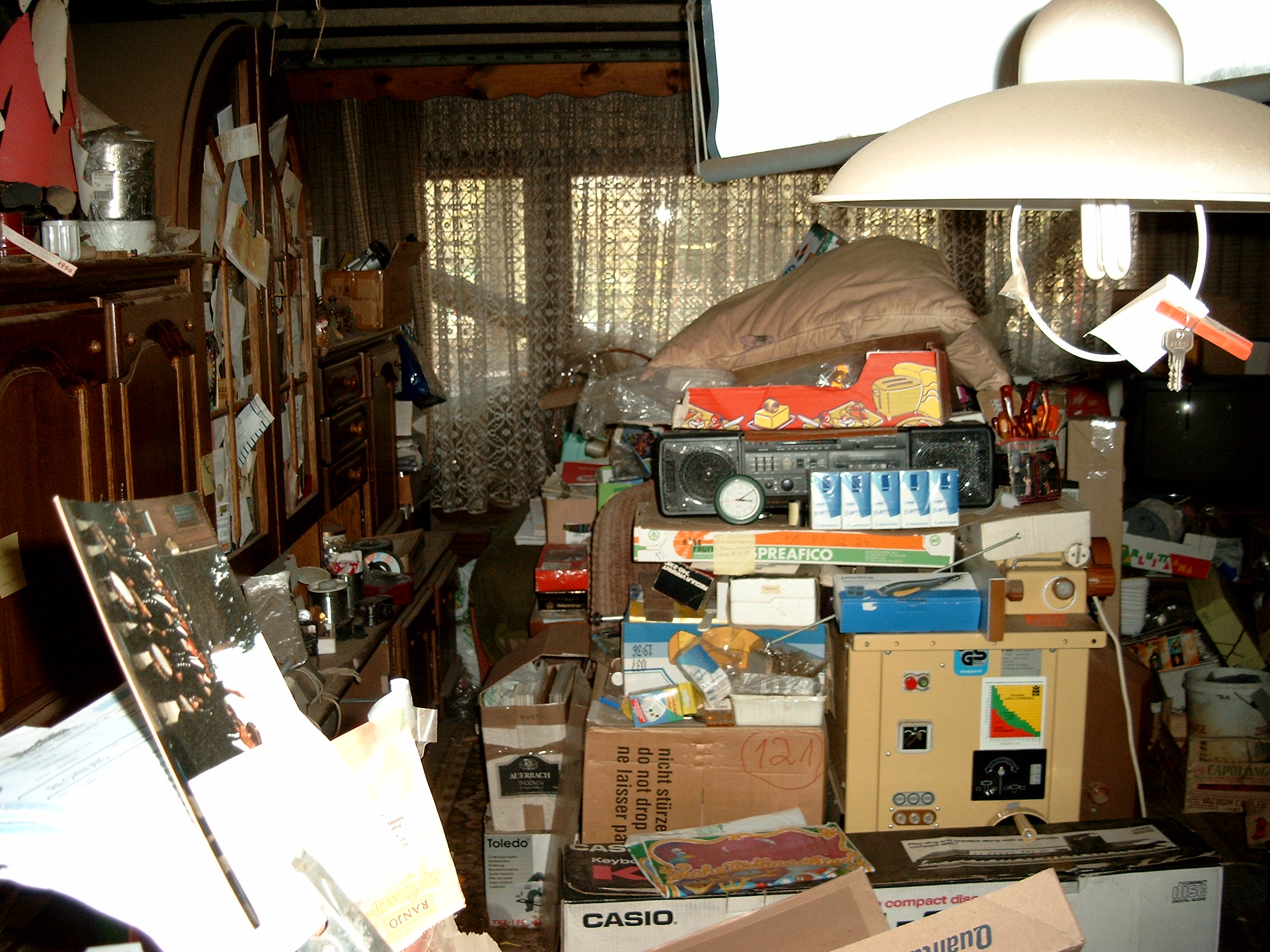
Hoarding disorder, a condition characterized by compulsive acquisition and difficulty discarding possessions, is a concern in modern society. As we transition into the Golden Age, it's essential to address this issue through conscious communication, mindful consumption, and a deeper understanding of the emotional and spiritual roots of hoarding. The roots of hoarding disorder are complex and multifaceted. Research suggests that it may be linked to genetic predisposition, brain chemistry, and environmental factors. However, it's also important to consider the role of societal pressures and cultural norms in perpetuating excessive consumption. As Charles Eisenstein notes, our current economic system is based on a paradigm of scarcity and competition, which can contribute to feelings of insecurity and anxiety.
💡 Understanding the Roots of Hoarding
The impact of hoarding disorder on mental and physical health is significant. Hoarding disorder can also have a negative impact on relationships and social connections, leading to feelings of isolation and loneliness. By addressing the underlying issues driving hoarding behaviors and adopting a more mindful approach to consumption, we can begin to heal and recover from the negative effects of hoarding disorder.
📊 The Impact of Hoarding on Mental and Physical Health
Mindful consumption and the gift economy are key principles of the Golden Age. By adopting a more conscious and intentional approach to consumption, we can reduce waste, support local economies, and cultivate a sense of community and connection. The gift economy is based on a paradigm of abundance and generosity, which can help to break down the barriers of scarcity and competition that drive hoarding behaviors. By embracing the gift economy and mindful consumption, we can create a more regenerative and sustainable approach to living.
🌈 Mindful Consumption and the Gift Economy
Creating a regenerative living space is an essential part of healing and recovery from hoarding disorder. This involves adopting a more mindful and intentional approach to consumption, as well as cultivating a sense of connection with the natural world. By creating a regenerative living space, we can create a sense of peace, harmony, and balance in our lives.
🏠 Creating a Regenerative Living Space
Community support and nonviolent communication are essential components of the healing and recovery process. Nonviolent communication is a powerful tool for building empathy and understanding, and can help to break down the barriers of shame and guilt that often accompany hoarding behaviors. By adopting a more compassionate and nonviolent approach to communication, we can create a sense of safety and trust, and begin to heal and recover from the negative effects of hoarding disorder.
👥 Community Support and Nonviolent Communication
Healing and recovery from hoarding disorder are possible, and involve a deepening understanding of the emotional and spiritual roots of the condition. By adopting a more mindful and conscious approach to consumption, and embracing the principles of the gift economy, we can begin to break free from the cycles of hoarding and create a more regenerative and harmonious relationship with the world around us. The present moment is the only moment that truly exists, and by cultivating a deeper sense of awareness and presence, we can begin to heal and recover from the negative effects of hoarding disorder.
🔮 Healing and Recovery in the Golden Age
Practical applications of mindful consumption involve adopting a more intentional and conscious approach to daily life. This includes reducing waste, supporting local economies, and cultivating a sense of connection with others. Every choice we make has the power to create a positive impact on the world, and by adopting a more mindful approach to consumption, we can begin to create a more regenerative and sustainable world. By embracing the principles of the Golden Age, we can create a brighter, more compassionate, and more sustainable future for all.
🌱 Practical Applications of Mindful Consumption
Related topics and deeper reading include the works of Charles Eisenstein, Marilyn Mandala, and Sandra Ingerman, among others. These authors offer a deeper understanding of the emotional and spiritual roots of hoarding disorder, as well as practical guidance on adopting a more mindful and conscious approach to consumption. By exploring these topics and deepening our understanding of the principles of the Golden Age, we can create a more regenerative and harmonious relationship with the world around us.
Key Facts
- Year
- 2020
- Origin
- Global
- Category
- individual
- Type
- concept
Frequently Asked Questions
What is hoarding disorder?
Hoarding disorder is a mental health condition characterized by compulsive acquisition and difficulty discarding possessions.
What are the symptoms of hoarding disorder?
The symptoms of hoarding disorder include excessive acquisition of items and difficulty discarding possessions.
How can I overcome hoarding disorder?
Overcoming hoarding disorder requires a deepening understanding of the emotional and spiritual roots of the condition, and adopting a more mindful and conscious approach to consumption.
What is the gift economy?
The gift economy is based on a paradigm of abundance and generosity, and can help to break down the barriers of scarcity and competition that drive hoarding behaviors.