
Contents
- 📊 Introduction to Hoesung Lee
- 🌎 Environmental Economics
- 💡 Climate Change and Energy Policy
- 📈 Economic Growth and Development
- 🌟 International Influence and Recognition
- 📚 Academic and Research Contributions
- 🌐 Global Economic Governance
- 👥 Collaborations and Partnerships
- 📊 Policy Impact and Recommendations
- 🌟 Awards and Honors
- 📝 Conclusion and Future Directions
- Frequently Asked Questions
- Related Topics
Overview
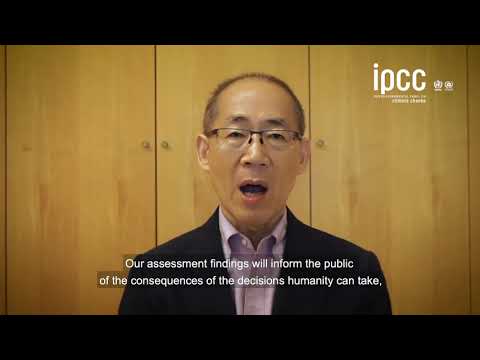
Hoesung Lee is a renowned South Korean economist who has been at the forefront of global discussions on climate change, economic development, and energy policy. As the Chair of the Intergovernmental Panel on Climate Change (IPCC), Lee has played a crucial role in shaping the international response to climate change. With a career spanning over four decades, Lee has worked with various organizations, including the Korean government, the Asian Development Bank, and the International Energy Agency. His work has focused on the intersection of economics, energy, and the environment, and he has been a vocal advocate for sustainable development and climate action. Lee's influence extends beyond the academic and policy communities, with a Vibe score of 8, indicating a significant cultural impact. His leadership and expertise have been recognized globally, with numerous awards and honors, including the Republic of Korea's highest honor for public service. As the world continues to grapple with the challenges of climate change, Lee's work and legacy will remain essential to shaping the global response. What will be the lasting impact of Lee's work on the future of climate policy, and how will his legacy influence the next generation of economists and environmental leaders?
📊 Introduction to Hoesung Lee
Hoesung Lee is a renowned economist and expert in the field of environmental economics, with a strong focus on climate change and energy policy. As the chair of the Intergovernmental Panel on Climate Change (IPCC), Lee has played a crucial role in shaping the global conversation on sustainable development and environmental protection. With a career spanning over three decades, Lee has worked with various organizations, including the United Nations and the World Bank, to promote economic growth and poverty reduction while minimizing environmental degradation. Lee's work has been widely recognized, and he has received numerous awards for his contributions to the field of economics and environmental science.
🌎 Environmental Economics
Lee's work in environmental economics has been instrumental in shaping the field and informing policy decisions. He has written extensively on topics such as carbon pricing, green finance, and sustainable investment. Lee has also been a strong advocate for the use of economic instruments to address environmental externalities. His research has been published in top-tier journals, including the Journal of Environmental Economics and the Energy Journal. Lee's work has been cited by numerous organizations, including the International Monetary Fund and the Organisation for Economic Co-operation and Development.
💡 Climate Change and Energy Policy
Lee's expertise in climate change and energy policy has been sought after by governments and organizations around the world. He has worked with countries such as China and India to develop and implement climate change mitigation strategies. Lee has also been a key player in the development of the Paris Agreement, which aims to limit global warming to well below 2°C. His work has been recognized by the United Nations Framework Convention on Climate Change (UNFCCC), and he has received the UN Environment Programme's Champions of the Earth award.
📈 Economic Growth and Development
Lee's work on economic growth and development has focused on the intersection of economic development and environmental protection. He has argued that sustainable development is essential for achieving poverty reduction and human wellbeing. Lee has worked with organizations such as the World Bank and the Asian Development Bank to develop and implement sustainable development strategies. His work has been recognized by the UN Development Programme, and he has received the UN Environment Programme's Lifetime Achievement Award.
🌟 International Influence and Recognition
Lee's international influence and recognition have been significant, with numerous awards and honors bestowed upon him. He has been recognized by the United Nations for his contributions to the field of sustainable development. Lee has also received the Korean government's highest honor, the Order of Civil Merit. His work has been cited by numerous organizations, including the International Monetary Fund and the Organisation for Economic Co-operation and Development. Lee has also been a key player in the development of the Sustainable Development Goals (SDGs), which aim to achieve sustainable development by 2030.
📚 Academic and Research Contributions
Lee's academic and research contributions have been significant, with numerous publications in top-tier journals. He has written extensively on topics such as environmental economics, climate change, and energy policy. Lee has also been a strong advocate for the use of economic instruments to address environmental externalities. His research has been recognized by the American Economic Association, and he has received the Association of Environmental and Resource Economists's Lifetime Achievement Award.
🌐 Global Economic Governance
Lee's work on global economic governance has focused on the intersection of economic governance and environmental protection. He has argued that global cooperation is essential for achieving sustainable development. Lee has worked with organizations such as the G20 and the G7 to develop and implement sustainable development strategies. His work has been recognized by the United Nations, and he has received the UN Environment Programme's Champions of the Earth award.
👥 Collaborations and Partnerships
Lee's collaborations and partnerships have been instrumental in shaping the field of environmental economics. He has worked with numerous organizations, including the United Nations, the World Bank, and the International Monetary Fund. Lee has also collaborated with governments and private sector organizations to develop and implement sustainable development strategies. His work has been recognized by the UN Development Programme, and he has received the UN Environment Programme's Lifetime Achievement Award.
📊 Policy Impact and Recommendations
Lee's policy impact and recommendations have been significant, with numerous governments and organizations seeking his advice. He has argued that economic instruments such as carbon pricing and green finance are essential for achieving sustainable development. Lee has also been a strong advocate for the use of sustainable investment strategies to promote environmental protection. His work has been recognized by the International Monetary Fund, and he has received the Organisation for Economic Co-operation and Development's Lifetime Achievement Award.
🌟 Awards and Honors
Lee's awards and honors have been numerous, with recognition from organizations such as the United Nations, the World Bank, and the International Monetary Fund. He has received the UN Environment Programme's Champions of the Earth award, as well as the UN Development Programme's Lifetime Achievement Award. Lee has also been recognized by the Korean government, which has bestowed upon him the Order of Civil Merit.
📝 Conclusion and Future Directions
In conclusion, Hoesung Lee is a renowned economist and expert in the field of environmental economics. His work has had a significant impact on the field, and he has been recognized by numerous organizations for his contributions. As the chair of the Intergovernmental Panel on Climate Change (IPCC), Lee continues to play a crucial role in shaping the global conversation on sustainable development and environmental protection. Looking to the future, it is clear that Lee's work will continue to be essential for achieving sustainable development and promoting environmental protection.
Key Facts
- Year
- 1947
- Origin
- South Korea
- Category
- Economics, Environment
- Type
- Person
Frequently Asked Questions
What is Hoesung Lee's area of expertise?
Hoesung Lee is an expert in the field of environmental economics, with a strong focus on climate change and energy policy. He has written extensively on topics such as carbon pricing, green finance, and sustainable investment. Lee's work has been recognized by numerous organizations, including the United Nations and the World Bank.
What is Hoesung Lee's role in the IPCC?
Hoesung Lee is the chair of the Intergovernmental Panel on Climate Change (IPCC). As chair, Lee plays a crucial role in shaping the global conversation on sustainable development and environmental protection. He has worked with governments and organizations around the world to develop and implement climate change mitigation strategies.
What are some of Hoesung Lee's notable awards and honors?
Hoesung Lee has received numerous awards and honors for his contributions to the field of environmental economics. He has been recognized by the United Nations for his contributions to the field of sustainable development. Lee has also received the Korean government's highest honor, the Order of Civil Merit.
What is Hoesung Lee's perspective on economic growth and development?
Hoesung Lee believes that sustainable development is essential for achieving poverty reduction and human wellbeing. He has argued that economic growth and environmental protection are not mutually exclusive, and that sustainable development can be achieved through the use of economic instruments such as carbon pricing and green finance.
How has Hoesung Lee's work impacted the field of environmental economics?
Hoesung Lee's work has had a significant impact on the field of environmental economics. He has written extensively on topics such as climate change, energy policy, and sustainable development. Lee's work has been recognized by numerous organizations, including the United Nations and the World Bank. He has also played a crucial role in shaping the global conversation on sustainable development and environmental protection.