
Contents
- 🌎 Introduction to Hubbert Peak Theory
- 💡 The Bell-Shaped Curve
- 📊 Mathematical Modeling
- 🌍 Global Applications
- 📈 Peak Oil and Its Implications
- 🚨 Criticisms and Controversies
- 🔍 Case Studies and Examples
- 🌟 Future Outlook and Predictions
- 📊 Economic Impacts
- 🌐 International Cooperation and Policy
- 📚 Conclusion and Recommendations
- Frequently Asked Questions
- Related Topics
Overview
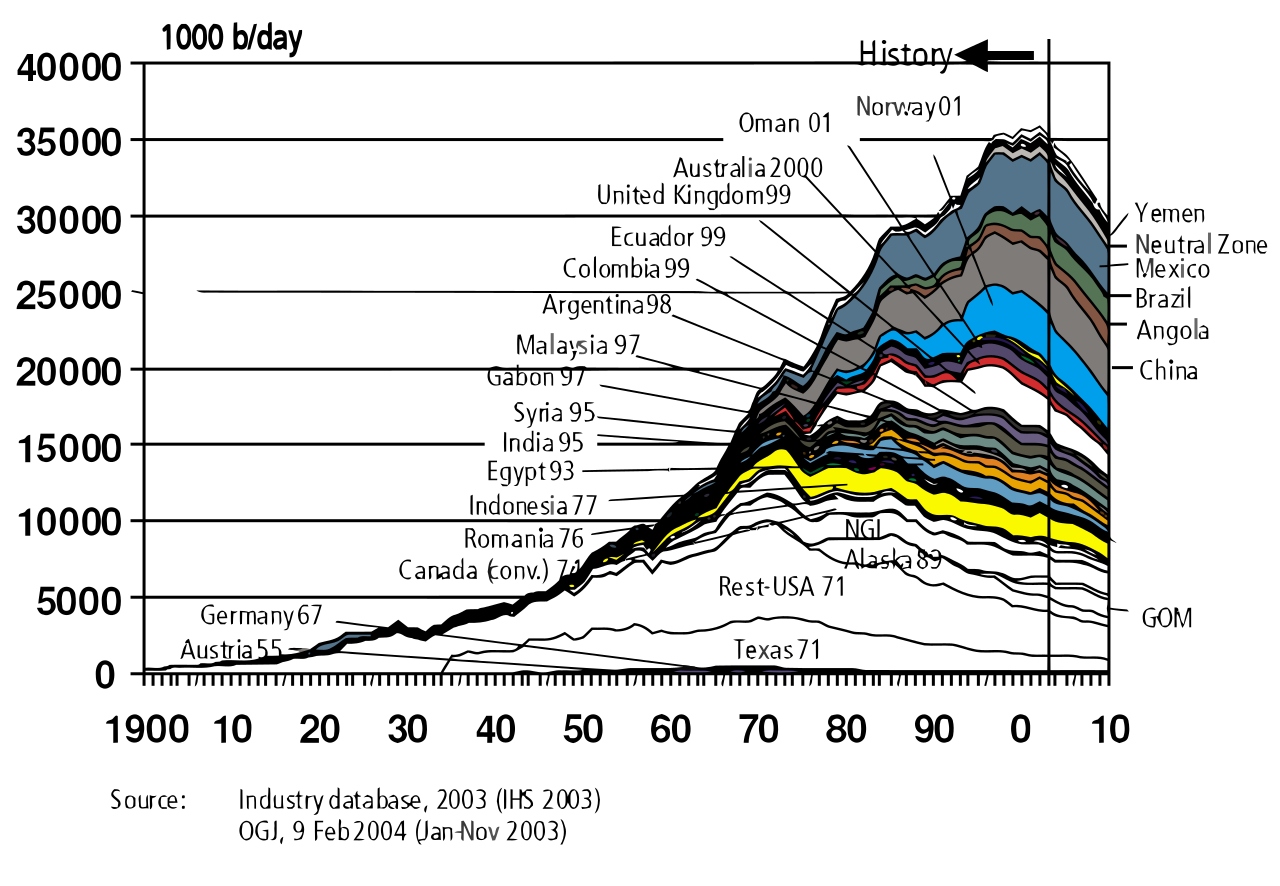
The Hubbert Peak Theory, proposed by M. King Hubbert in 1956, predicts that oil production in a given region will follow a bell-shaped curve, with production increasing until a peak is reached, followed by a decline. This theory has been widely debated and applied to various regions, including the United States and the world as a whole. According to Hubbert's model, the peak of US oil production occurred in 1970, and the world peak is expected to occur in the near future. The theory has significant implications for energy policy, economic development, and environmental sustainability. Critics argue that the theory is too simplistic and does not account for advances in technology and changes in global demand. Despite these criticisms, the Hubbert Peak Theory remains a fundamental concept in understanding the limitations of fossil fuel resources and the need for alternative energy sources. With a vibe score of 8, the theory continues to influence discussions on energy security and sustainability, with key figures such as Colin Campbell and Jean Laherrère contributing to the debate.
🌎 Introduction to Hubbert Peak Theory
The Hubbert peak theory, proposed by Marion King Hubbert in 1956, suggests that the rate of petroleum production follows a bell-shaped curve for any given geographical area. This theory is a fundamental concept in understanding peak oil and its implications on the global energy landscape. The bell-shaped curve is characterized by a slow increase in production, followed by a rapid rise, and eventually, a decline. As the world's fossil fuel reserves are finite, the Hubbert peak theory has significant implications for energy policy and sustainable development. The theory has been widely applied to various regions, including the United States, and has been used to predict the peak production of other resources, such as natural gas and coal.
💡 The Bell-Shaped Curve
The bell-shaped curve is a result of the combination of several factors, including the discovery of new oil fields, the extraction of oil from existing fields, and the depletion of existing reserves. The curve is typically divided into three phases: the growth phase, the peak phase, and the decline phase. During the growth phase, new oil fields are discovered, and production increases rapidly. The peak phase marks the maximum rate of production, after which the decline phase begins, and production decreases as existing reserves are depleted. The Hubbert peak theory has been used to predict the peak production of various regions, including the North Sea and the Persian Gulf. Understanding the bell-shaped curve is essential for developing effective energy strategies and mitigating the impacts of peak oil.
📊 Mathematical Modeling
The mathematical modeling of the Hubbert peak theory is based on the assumption that the rate of petroleum production is proportional to the remaining reserves. The model uses a logistic curve to describe the production rate, which is characterized by a slow increase, followed by a rapid rise, and eventually, a decline. The model has been used to predict the peak production of various regions and has been applied to other resources, such as uranium and copper. The mathematical modeling of the Hubbert peak theory has been widely used in energy modeling and has been applied to various energy systems. The model has also been used to evaluate the impacts of energy policy on the production of petroleum and other resources.
🌍 Global Applications
The Hubbert peak theory has been applied globally to predict the peak production of petroleum and other resources. The theory has been used to evaluate the impacts of energy policy on the production of petroleum and other resources. The global application of the Hubbert peak theory has significant implications for energy security and sustainable development. The theory has been used to predict the peak production of various regions, including the Middle East and the Latin America. Understanding the global implications of the Hubbert peak theory is essential for developing effective energy strategies and mitigating the impacts of peak oil.
📈 Peak Oil and Its Implications
The peak oil concept, which is closely related to the Hubbert peak theory, suggests that the world's oil production will eventually reach a peak and then decline. The implications of peak oil are significant, as it will lead to increased energy prices, reduced energy security, and increased greenhouse gas emissions. The peak oil concept has been widely debated, and various energy scenarios have been developed to evaluate the impacts of peak oil. Understanding the implications of peak oil is essential for developing effective energy strategies and mitigating the impacts of peak oil. The International Energy Agency has predicted that the world's oil production will peak in the near future, which will have significant implications for the global energy landscape.
🚨 Criticisms and Controversies
The Hubbert peak theory has been subject to various criticisms and controversies. Some critics argue that the theory is too simplistic and does not take into account the complexities of the global energy market. Others argue that the theory is based on outdated data and does not reflect the current energy landscape. The theory has also been criticized for its lack of consideration of renewable energy sources and energy efficiency measures. Despite these criticisms, the Hubbert peak theory remains a widely used and respected concept in the field of energy studies. The World Energy Council has recognized the importance of the Hubbert peak theory in understanding the global energy landscape.
🔍 Case Studies and Examples
Various case studies and examples have been used to illustrate the application of the Hubbert peak theory. The United States, for example, has been used as a case study to evaluate the impacts of the Hubbert peak theory on the domestic energy market. The North Sea has also been used as a case study to evaluate the impacts of the Hubbert peak theory on the regional energy market. These case studies have provided valuable insights into the application of the Hubbert peak theory and have helped to refine the theory. The Energy Information Administration has used the Hubbert peak theory to evaluate the impacts of energy policy on the production of petroleum and other resources.
🌟 Future Outlook and Predictions
The future outlook and predictions of the Hubbert peak theory are significant, as they suggest that the world's oil production will eventually reach a peak and then decline. The theory has been used to predict the peak production of various regions, including the Middle East and the Latin America. The predictions of the Hubbert peak theory have significant implications for energy security and sustainable development. The International Energy Agency has predicted that the world's oil production will peak in the near future, which will have significant implications for the global energy landscape. Understanding the future outlook and predictions of the Hubbert peak theory is essential for developing effective energy strategies and mitigating the impacts of peak oil.
📊 Economic Impacts
The economic impacts of the Hubbert peak theory are significant, as they suggest that the world's oil production will eventually reach a peak and then decline. The theory has been used to evaluate the impacts of energy policy on the production of petroleum and other resources. The economic impacts of the Hubbert peak theory have significant implications for energy security and sustainable development. The World Bank has recognized the importance of the Hubbert peak theory in understanding the global energy landscape and its implications for economic development. The International Monetary Fund has also used the Hubbert peak theory to evaluate the impacts of energy policy on the global economy.
🌐 International Cooperation and Policy
The international cooperation and policy implications of the Hubbert peak theory are significant, as they suggest that the world's oil production will eventually reach a peak and then decline. The theory has been used to evaluate the impacts of energy policy on the production of petroleum and other resources. The international cooperation and policy implications of the Hubbert peak theory have significant implications for energy security and sustainable development. The United Nations has recognized the importance of the Hubbert peak theory in understanding the global energy landscape and its implications for sustainable development. The G20 has also used the Hubbert peak theory to evaluate the impacts of energy policy on the global economy.
📚 Conclusion and Recommendations
In conclusion, the Hubbert peak theory is a widely used and respected concept in the field of energy studies. The theory has been used to predict the peak production of various regions and has been applied to other resources, such as uranium and copper. The theory has significant implications for energy security and sustainable development. Understanding the Hubbert peak theory is essential for developing effective energy strategies and mitigating the impacts of peak oil. The energy research community continues to refine the theory and apply it to various regions and resources. The policy makers must consider the implications of the Hubbert peak theory when developing energy policy and sustainable development strategies.
Key Facts
- Year
- 1956
- Origin
- M. King Hubbert, Shell Oil Company
- Category
- Energy and Environment
- Type
- Scientific Theory
Frequently Asked Questions
What is the Hubbert peak theory?
The Hubbert peak theory is a concept in energy studies that suggests that the rate of petroleum production follows a bell-shaped curve for any given geographical area. The theory was proposed by Marion King Hubbert in 1956 and has been widely used to predict the peak production of various regions and resources. The theory has significant implications for energy security and sustainable development.
What are the implications of the Hubbert peak theory?
The implications of the Hubbert peak theory are significant, as they suggest that the world's oil production will eventually reach a peak and then decline. The theory has been used to evaluate the impacts of energy policy on the production of petroleum and other resources. The implications of the Hubbert peak theory have significant implications for energy security and sustainable development.
How is the Hubbert peak theory used in energy modeling?
The Hubbert peak theory is widely used in energy modeling to predict the peak production of various regions and resources. The theory is based on a logistic curve that describes the production rate, which is characterized by a slow increase, followed by a rapid rise, and eventually, a decline. The theory has been applied to various energy systems and has been used to evaluate the impacts of energy policy on the production of petroleum and other resources.
What are the criticisms of the Hubbert peak theory?
The Hubbert peak theory has been subject to various criticisms and controversies. Some critics argue that the theory is too simplistic and does not take into account the complexities of the global energy market. Others argue that the theory is based on outdated data and does not reflect the current energy landscape. Despite these criticisms, the Hubbert peak theory remains a widely used and respected concept in the field of energy studies.
How does the Hubbert peak theory relate to peak oil?
The Hubbert peak theory is closely related to the concept of peak oil, which suggests that the world's oil production will eventually reach a peak and then decline. The theory has been used to predict the peak production of various regions and has been applied to other resources, such as uranium and copper. The implications of the Hubbert peak theory have significant implications for energy security and sustainable development.
What are the policy implications of the Hubbert peak theory?
The policy implications of the Hubbert peak theory are significant, as they suggest that the world's oil production will eventually reach a peak and then decline. The theory has been used to evaluate the impacts of energy policy on the production of petroleum and other resources. The policy implications of the Hubbert peak theory have significant implications for energy security and sustainable development. The United Nations has recognized the importance of the Hubbert peak theory in understanding the global energy landscape and its implications for sustainable development.
How does the Hubbert peak theory relate to energy security?
The Hubbert peak theory has significant implications for energy security, as it suggests that the world's oil production will eventually reach a peak and then decline. The theory has been used to evaluate the impacts of energy policy on the production of petroleum and other resources. The implications of the Hubbert peak theory have significant implications for energy security and sustainable development. The International Energy Agency has predicted that the world's oil production will peak in the near future, which will have significant implications for the global energy landscape.