
Contents
Overview
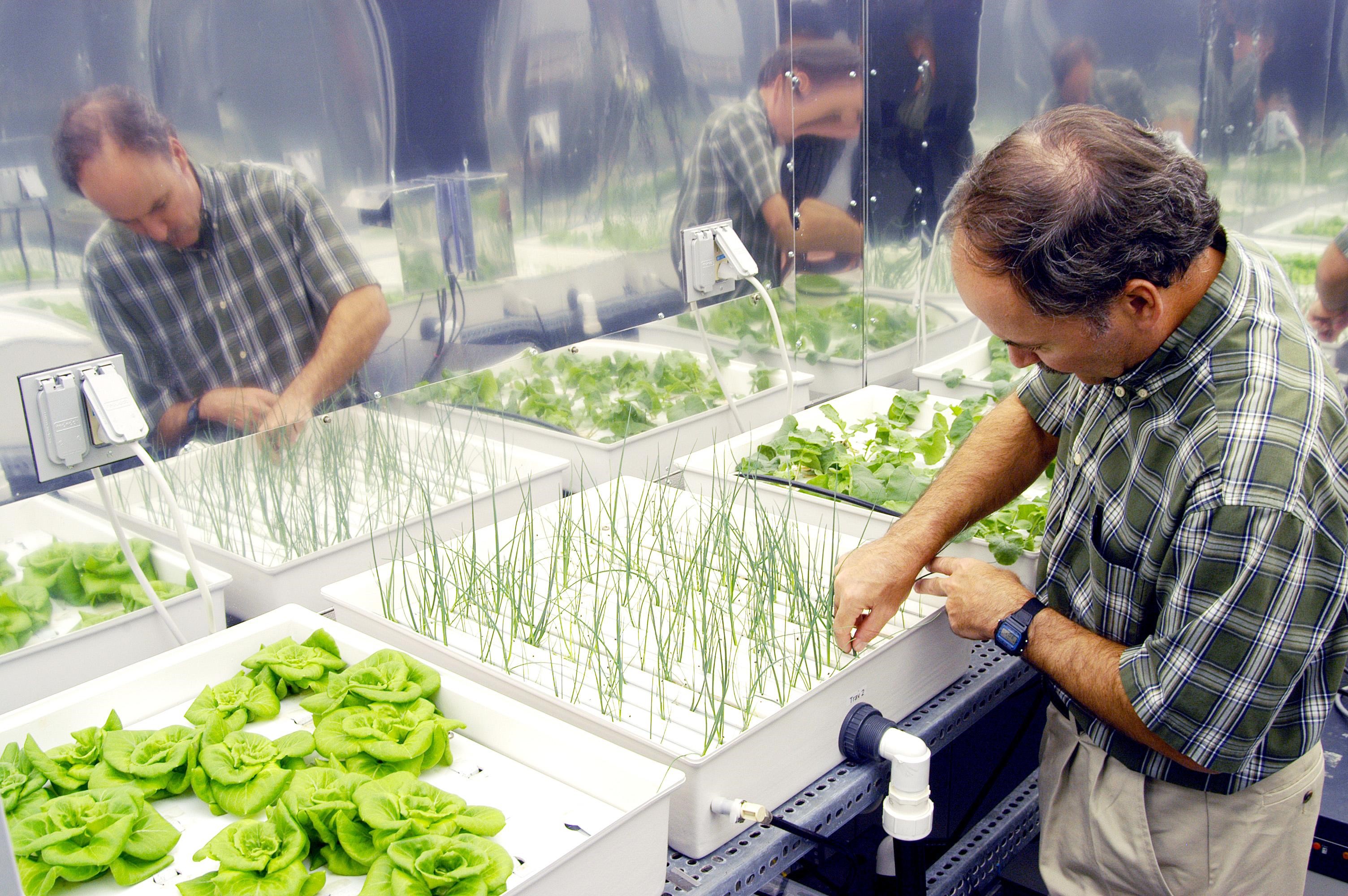
Hydroponic systems are a key component of regenerative culture, offering a sustainable alternative to traditional agriculture. By growing plants in a soilless medium, hydroponics reduces water consumption and promotes eco-friendly farming practices. Hydroponics can be used to grow a wide variety of crops, including leafy greens, herbs, and microgreens, making it an attractive option for urban farmers and home gardeners. For example, AeroFarms uses a proprietary hydroponic system to grow over 250 varieties of crops. Hydroponic Farmers in Kenya uses hydroponics to grow a variety of crops, including tomatoes, cucumbers, and leafy greens.
🌱 Origins & History
Hydroponic systems have a rich history that dates back to ancient civilizations, with evidence of soilless cultivation found in the Hanging Gardens of Babylon and the Aztec floating gardens. Today, hydroponics is used in a variety of settings, from small-scale urban farms to large-scale commercial operations, and is recognized as a key component of regenerative culture.
⚙️ How It Works
Hydroponic systems work by providing plants with the necessary nutrients, water, and oxygen to grow, without the need for soil. This is achieved through the use of a nutrient-rich solution that is pumped through the system, providing the plants with the necessary nutrients to grow. The plants are typically grown in a medium such as perlite, gravel, or rockwool, which provides support and aeration to the roots. Hydroponic systems can be customized to meet the specific needs of different crops, and can be used to grow a wide variety of plants, including leafy greens, herbs, and microgreens.
📊 Key Facts & Numbers
Hydroponic systems offer a number of benefits, including increased crop quality and improved crop yields. Hydroponics can be used to grow crops in areas with poor soil or limited water resources, making it an attractive option for farmers in developing countries.
👥 Key People & Organizations
There are several key organizations involved in the development and promotion of hydroponic systems. Companies like AeroFarms are leading manufacturers of hydroponic systems and are at the forefront of the industry.
🌍 Cultural Impact & Influence
Hydroponic systems have had a significant cultural impact and influence, particularly in the areas of sustainable agriculture and urban farming. The use of hydroponics has been promoted by a number of high-profile individuals and has been featured in a number of media outlets.
⚡ Current State & Latest Developments
The current state of hydroponic systems is one of rapid growth and development, with new technologies and innovations emerging all the time. One of the latest developments in the field of hydroponics is the use of LED grow lights, which provide a more energy-efficient and cost-effective way to grow crops. Additionally, there is a growing trend towards the use of vertical farming, which involves growing crops in vertically stacked layers, often using hydroponics or other forms of soilless cultivation. For instance, Plenty Ag uses a combination of hydroponics and vertical farming to grow a wide variety of crops.
🤔 Controversies & Debates
Despite the many benefits of hydroponic systems, there are also some controversies and debates surrounding their use. One of the main concerns is the high energy consumption of hydroponic systems, which can contribute to greenhouse gas emissions and climate change.
🔮 Future Outlook & Predictions
The future outlook for hydroponic systems is one of continued growth and development, with new technologies and innovations emerging all the time. One of the most exciting developments in the field of hydroponics is the use of sustainable energy sources, such as solar power, to power hydroponic systems. For instance, Bright Agrotech uses a combination of hydroponics and solar power to grow a wide variety of crops.
💡 Practical Applications
Hydroponic systems have a number of practical applications, particularly in the areas of sustainable agriculture and urban farming. One of the most significant benefits of hydroponics is its ability to increase crop yields while reducing water consumption, making it an attractive option for farmers in areas with limited water resources.
Key Facts
- Category
- environment
- Type
- concept