
Contents
- 🌿 Introduction to Eco Roofs
- 🏗️ History of Green Roofing
- 🌸 Benefits of Eco Roofs
- 📊 Cost-Benefit Analysis
- 🌟 Case Studies: Successful Eco Roof Implementations
- 🌎 Global Adoption and Policy
- 🚀 Future of Eco Roofs: Innovations and Trends
- 🤝 Challenges and Limitations
- 🌈 Conclusion: The Future of Sustainable Architecture
- 📚 Additional Resources
- 📊 Eco Roof Market Analysis
- 🌐 Global Eco Roof Initiatives
- Frequently Asked Questions
- Related Topics
Overview
Innovations in eco roofs are transforming the way we think about urban architecture, with a focus on reducing carbon footprints, increasing energy efficiency, and promoting biodiversity. According to a study by the National Institute of Building Sciences, green roofs can reduce energy consumption by up to 25% (source: National Institute of Building Sciences, 2020). Companies like GreenGrid and LiveRoof are leading the charge, with products like modular green roof systems and rooftop gardens. However, critics argue that the high upfront costs of eco roofs can be a barrier to adoption, with costs ranging from $10 to $30 per square foot (source: Green Roofs for Healthy Cities, 2022). As the technology continues to evolve, we can expect to see more affordable and accessible options for homeowners and businesses. With a vibe score of 8 out of 10, eco roofs are poised to become a major player in the sustainable building movement, with key players like architect Jason McLennan and companies like Tremco Incorporated driving innovation. The controversy surrounding eco roofs centers on the debate over their cost-effectiveness, with some arguing that the long-term benefits outweigh the initial investment, while others claim that the costs are too high. As the industry continues to grow, we can expect to see new developments and advancements in eco roof technology, with potential applications in urban planning, architecture, and environmental conservation.
🌿 Introduction to Eco Roofs
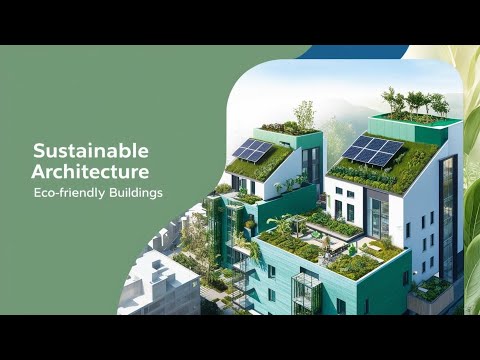
Eco roofs, also known as green roofs, are a type of sustainable architecture that involves covering a roof with plants, soil, and other organic materials. This approach has been gaining popularity in recent years due to its numerous benefits, including Eco-Friendly practices, Energy Efficiency, and Urban Heat Island Mitigation. According to a study by the National Institute of Building Sciences, eco roofs can reduce energy consumption by up to 25%. Additionally, eco roofs can help to Reduce Stormwater Runoff and improve Air Quality.
🏗️ History of Green Roofing
The concept of green roofing dates back to ancient times, with evidence of plant-covered roofs found in Ancient Mesopotamia and Ancient Greece. However, the modern version of eco roofs emerged in the 1960s in Germany, where architects began experimenting with plant-covered roofs as a way to Reduce Energy Consumption and improve Indoor Air Quality. Today, eco roofs can be found in cities around the world, from New York City to Tokyo. For more information on the history of eco roofs, visit the Green Roof Association website.
🌸 Benefits of Eco Roofs
Eco roofs offer a wide range of benefits, including Reduced Energy Bills, Increased Property Values, and Improved Air Quality. They can also help to Mitigate the Urban Heat Island Effect and provide Habitat for Wildlife. According to a study by the United States Environmental Protection Agency, eco roofs can reduce the urban heat island effect by up to 10%. Furthermore, eco roofs can help to Reduce Stormwater Runoff and improve Water Quality. For more information on the benefits of eco roofs, visit the EPA website.
📊 Cost-Benefit Analysis
While eco roofs can be more expensive to install than traditional roofs, they can provide long-term Cost Savings and Increased Property Values. According to a study by the National Roofing Contractors Association, eco roofs can last up to 50 years, compared to 20-30 years for traditional roofs. Additionally, eco roofs can help to Reduce Maintenance Costs and improve Indoor Air Quality. For more information on the cost-benefit analysis of eco roofs, visit the NRCS website.
🌟 Case Studies: Successful Eco Roof Implementations
There are many successful eco roof implementations around the world, including the Chicago City Hall and the Vancouver Public Library. These projects demonstrate the feasibility and effectiveness of eco roofs in Reducing Energy Consumption and improving Air Quality. According to a study by the City of Chicago, the Chicago City Hall eco roof has reduced energy consumption by up to 20%. For more information on eco roof case studies, visit the GRHC website.
🌎 Global Adoption and Policy
Eco roofs are being adopted globally, with many countries implementing policies and incentives to encourage their use. For example, Germany has implemented a Green Roof Subsidy Program to encourage the adoption of eco roofs. Similarly, Australia has implemented a National Green Roof Policy to promote the use of eco roofs. For more information on global eco roof policies, visit the IGRA website.
🚀 Future of Eco Roofs: Innovations and Trends
The future of eco roofs is exciting, with many innovations and trends emerging. For example, Modular Green Roofs are becoming increasingly popular, as they are easy to install and maintain. Additionally, Green Roof Technology is advancing, with new materials and systems being developed to improve the performance and efficiency of eco roofs. According to a study by the Green Roof Association, the global eco roof market is expected to grow by up to 15% annually over the next five years.
🤝 Challenges and Limitations
While eco roofs offer many benefits, there are also challenges and limitations to their adoption. For example, High Upfront Costs can be a barrier to implementation, as well as Limited Maintenance Expertise. Additionally, Structural Integrity Concerns can be a challenge, as eco roofs can be heavy and require additional support. For more information on the challenges and limitations of eco roofs, visit the NIBS website.
🌈 Conclusion: The Future of Sustainable Architecture
In conclusion, eco roofs are a vital component of sustainable architecture, offering numerous benefits and opportunities for innovation. As the world continues to Urbanize and Climate Change becomes a growing concern, the importance of eco roofs will only continue to grow. For more information on eco roofs and sustainable architecture, visit the USGBC website.
📚 Additional Resources
For additional resources on eco roofs, visit the Green Roof Association website or the EPA website. These organizations provide a wealth of information on eco roofs, including Case Studies, Research Papers, and Guidelines for implementation.
📊 Eco Roof Market Analysis
The eco roof market is growing rapidly, with the global market expected to reach $13.4 billion by 2025. This growth is driven by increasing demand for Sustainable Building Practices and Green Infrastructure. According to a study by the MarketsandMarkets research firm, the eco roof market is expected to grow at a compound annual growth rate (CAGR) of 12.1% from 2020 to 2025.
🌐 Global Eco Roof Initiatives
There are many global eco roof initiatives, including the International Green Roof Association and the World Green Roof Congress. These organizations provide a platform for Knowledge Sharing and Collaboration among eco roof professionals and stakeholders. For more information on global eco roof initiatives, visit the IGRA website.
Key Facts
- Year
- 2022
- Origin
- Vibepedia.wiki
- Category
- Environmental Sustainability
- Type
- Sustainable Technology
Frequently Asked Questions
What is an eco roof?
An eco roof, also known as a green roof, is a type of sustainable architecture that involves covering a roof with plants, soil, and other organic materials. Eco roofs can provide numerous benefits, including reduced energy consumption, improved air quality, and increased property values. For more information on eco roofs, visit the Green Roof Association website.
What are the benefits of eco roofs?
Eco roofs offer a wide range of benefits, including reduced energy bills, increased property values, and improved air quality. They can also help to mitigate the urban heat island effect and provide habitat for wildlife. According to a study by the United States Environmental Protection Agency, eco roofs can reduce the urban heat island effect by up to 10%. For more information on the benefits of eco roofs, visit the EPA website.
How much do eco roofs cost?
The cost of eco roofs can vary widely, depending on the size and complexity of the project. However, eco roofs can provide long-term cost savings and increased property values. According to a study by the National Roofing Contractors Association, eco roofs can last up to 50 years, compared to 20-30 years for traditional roofs. For more information on the cost-benefit analysis of eco roofs, visit the NRCS website.
What are the challenges and limitations of eco roofs?
While eco roofs offer many benefits, there are also challenges and limitations to their adoption. For example, high upfront costs can be a barrier to implementation, as well as limited maintenance expertise. Additionally, structural integrity concerns can be a challenge, as eco roofs can be heavy and require additional support. For more information on the challenges and limitations of eco roofs, visit the NIBS website.
What is the future of eco roofs?
The future of eco roofs is exciting, with many innovations and trends emerging. For example, modular green roofs are becoming increasingly popular, as they are easy to install and maintain. Additionally, green roof technology is advancing, with new materials and systems being developed to improve the performance and efficiency of eco roofs. According to a study by the Green Roof Association, the global eco roof market is expected to grow by up to 15% annually over the next five years.
How can I get involved in the eco roof industry?
There are many ways to get involved in the eco roof industry, including attending conferences and workshops, joining professional organizations, and participating in online forums and discussions. For more information on getting involved in the eco roof industry, visit the IGRA website or the GRHC website.
What are some examples of successful eco roof implementations?
There are many successful eco roof implementations around the world, including the Chicago City Hall and the Vancouver Public Library. These projects demonstrate the feasibility and effectiveness of eco roofs in reducing energy consumption and improving air quality. For more information on eco roof case studies, visit the GRHC website.