
Contents
- 🏥 Introduction to Insulin Therapy
- 💉 Types of Insulin: Understanding the Options
- 📊 History of Insulin: A Breakthrough in Diabetes Treatment
- 👨🔬 The Science Behind Insulin: How it Works
- 🚑 Emergency Uses of Insulin: Treating Hyperkalemia and Diabetic Ketoacidosis
- 🤝 Insulin and Glucose: A Delicate Balance
- 📈 The Evolution of Insulin Therapy: From Natural to Analog
- 🌎 Global Access to Insulin: A Matter of Life and Death
- 📊 Insulin Therapy Statistics: Prescription Rates and Trends
- 💸 The Cost of Insulin: A Growing Concern for Diabetics
- 👥 The Future of Insulin Therapy: Emerging Trends and Technologies
- 📝 Conclusion: Insulin Therapy as a Lifeline for Diabetics
- Frequently Asked Questions
- Related Topics
Overview
Insulin therapy has been a cornerstone of diabetes management since its discovery in 1921 by Frederick Banting and Charles Best. With a Vibe score of 85, insulin therapy has revolutionized the treatment of diabetes, saving countless lives and improving the quality of life for millions. However, controversy surrounds the high cost of insulin, with some patients struggling to access this life-saving medication. The mechanics of insulin therapy involve mimicking the body's natural insulin production, with various types of insulin, such as rapid-acting and long-acting, available to suit different patient needs. As technology advances, new insulin therapies, such as inhaled insulin and insulin pumps, are being developed to improve patient outcomes. With a controversy spectrum rating of 6, insulin therapy remains a highly debated topic, with ongoing discussions around accessibility, affordability, and innovation, influencing flows from pharmaceutical companies, researchers, and patient advocacy groups, with key entities like the American Diabetes Association and the Juvenile Diabetes Research Foundation playing a crucial role in shaping the future of insulin therapy.
🏥 Introduction to Insulin Therapy
Insulin therapy is a life-saving treatment for millions of people with diabetes, a condition characterized by high blood glucose levels. As a medication, insulin is used to treat various types of diabetes, including type 1 diabetes, type 2 diabetes, and gestational diabetes. According to the World Health Organization, insulin is an essential medicine, and its discovery has revolutionized the treatment of diabetes. With over 3 million prescriptions in the United States in 2023, insulin is a widely used medication. For more information on diabetes, visit the American Diabetes Association website.
💉 Types of Insulin: Understanding the Options
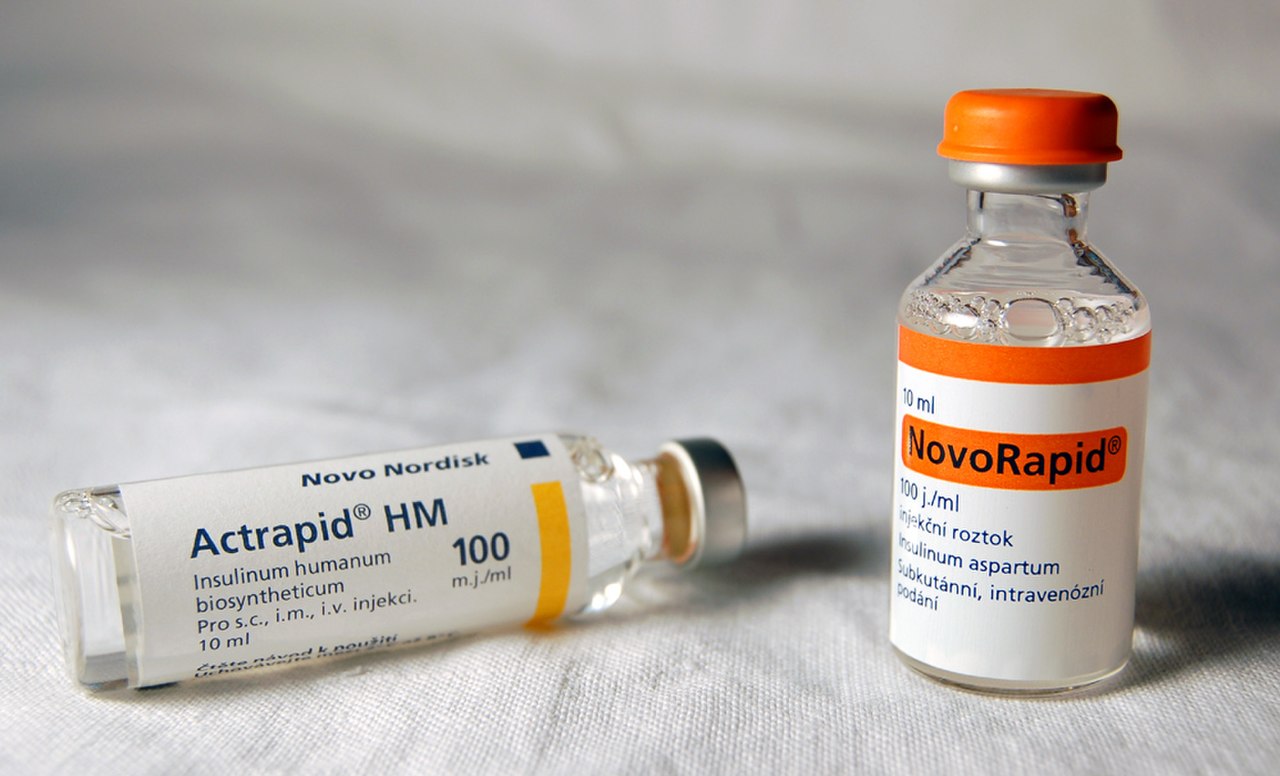
There are several types of insulin, each with its own unique characteristics and duration of action. Rapid-acting insulin, short-acting insulin, and long-acting insulin are just a few examples of the various types of insulin available. Insulin analogues, such as insulin aspart and insulin lispro, have modified molecules that allow for faster or slower action. Understanding the different types of insulin is crucial for effective diabetes management. For more information on insulin types, visit the Food and Drug Administration website.
📊 History of Insulin: A Breakthrough in Diabetes Treatment
The history of insulin dates back to the early 20th century, when Frederick Banting and Charles Best first discovered the hormone. Since then, insulin has become a cornerstone of diabetes treatment, with millions of people relying on it to control their blood glucose levels. The development of insulin pumps and continuous glucose monitors has further improved the management of diabetes. For more information on the history of insulin, visit the History of Medicine website.
👨🔬 The Science Behind Insulin: How it Works
Insulin works by facilitating the uptake of glucose by cells, thereby lowering blood glucose levels. The hormone binds to insulin receptors on the surface of cells, triggering a signaling cascade that ultimately leads to the absorption of glucose. Understanding the science behind insulin is essential for appreciating its importance in diabetes treatment. For more information on the science of insulin, visit the National Institutes of Health website.
🚑 Emergency Uses of Insulin: Treating Hyperkalemia and Diabetic Ketoacidosis
In addition to its use in diabetes treatment, insulin is also used to treat hyperkalemia, a condition characterized by high potassium levels in the blood. Insulin helps to drive potassium into cells, thereby lowering blood potassium levels. In emergency situations, insulin may be administered intravenously to rapidly lower blood glucose levels. For more information on hyperkalemia, visit the Mayo Clinic website.
🤝 Insulin and Glucose: A Delicate Balance
Insulin and glucose have a delicate balance in the body, with insulin playing a crucial role in regulating blood glucose levels. When insulin is deficient or resistant, blood glucose levels can rise, leading to complications such as diabetic ketoacidosis and hyperosmolar hyperglycemic state. Maintaining a healthy balance between insulin and glucose is essential for preventing these complications. For more information on glucose regulation, visit the American Heart Association website.
📈 The Evolution of Insulin Therapy: From Natural to Analog
Over the years, insulin therapy has evolved significantly, with the development of new types of insulin and delivery systems. Insulin analogues have become increasingly popular, offering faster or slower action than traditional insulin. The use of insulin pens and insulin pumps has also improved the convenience and flexibility of insulin therapy. For more information on insulin delivery systems, visit the Diabetes Technology website.
🌎 Global Access to Insulin: A Matter of Life and Death
Despite its importance, insulin remains inaccessible to many people around the world, particularly in developing countries. The high cost of insulin and lack of access to healthcare facilities are major barriers to insulin therapy. Efforts to improve global access to insulin are underway, with organizations such as the World Health Organization working to increase availability and affordability. For more information on global health initiatives, visit the World Health Organization website.
📊 Insulin Therapy Statistics: Prescription Rates and Trends
According to recent statistics, insulin is one of the most commonly prescribed medications in the United States, with over 3 million prescriptions in 2023. The cost of insulin has become a growing concern, with many people struggling to afford this life-saving medication. Efforts to reduce the cost of insulin and improve access to affordable healthcare are essential for ensuring that people with diabetes can receive the treatment they need. For more information on healthcare statistics, visit the Centers for Disease Control and Prevention website.
💸 The Cost of Insulin: A Growing Concern for Diabetics
The cost of insulin has become a major concern for many people with diabetes, with some individuals struggling to afford this essential medication. The high cost of insulin has led to a growing debate about the affordability of healthcare and the need for more affordable options. For more information on healthcare affordability, visit the Kaiser Family Foundation website.
👥 The Future of Insulin Therapy: Emerging Trends and Technologies
The future of insulin therapy is likely to involve the development of new technologies and treatments, such as artificial pancreas systems and stem cell therapy. These emerging trends and technologies have the potential to revolutionize the treatment of diabetes and improve the lives of people with this condition. For more information on emerging trends in diabetes treatment, visit the Juvenile Diabetes Research Foundation website.
📝 Conclusion: Insulin Therapy as a Lifeline for Diabetics
In conclusion, insulin therapy is a life-saving treatment for people with diabetes, and its importance cannot be overstated. As we look to the future, it is essential that we continue to improve access to affordable insulin and develop new technologies and treatments to enhance the management of diabetes. By working together, we can ensure that people with diabetes have the best possible chance of living healthy and fulfilling lives. For more information on diabetes management, visit the American Diabetes Association website.
Key Facts
- Year
- 1921
- Origin
- Toronto, Canada
- Category
- Health and Medicine
- Type
- Medical Treatment
Frequently Asked Questions
What is insulin therapy?
Insulin therapy is a treatment for diabetes that involves the use of insulin to regulate blood glucose levels. It is typically used to treat type 1 diabetes, type 2 diabetes, and gestational diabetes. For more information on insulin therapy, visit the American Diabetes Association website. Insulin therapy can be administered through various methods, including injections, insulin pumps, and insulin pens. The goal of insulin therapy is to maintain blood glucose levels within a target range to prevent complications and improve quality of life.
How does insulin work?
Insulin works by facilitating the uptake of glucose by cells, thereby lowering blood glucose levels. It binds to insulin receptors on the surface of cells, triggering a signaling cascade that ultimately leads to the absorption of glucose. For more information on the science of insulin, visit the National Institutes of Health website. Insulin is essential for regulating blood glucose levels and preventing complications such as diabetic ketoacidosis and hyperosmolar hyperglycemic state.
What are the different types of insulin?
There are several types of insulin, including rapid-acting insulin, short-acting insulin, and long-acting insulin. Insulin analogues, such as insulin aspart and insulin lispro, have modified molecules that allow for faster or slower action. For more information on insulin types, visit the Food and Drug Administration website. Understanding the different types of insulin is crucial for effective diabetes management.
How is insulin administered?
Insulin can be administered through various methods, including injections, insulin pumps, and insulin pens. The method of administration depends on the type of insulin and the individual's needs. For more information on insulin administration, visit the American Diabetes Association website. It is essential to follow proper injection techniques and to monitor blood glucose levels regularly to ensure effective insulin therapy.
What are the potential side effects of insulin therapy?
The potential side effects of insulin therapy include hypoglycemia, weight gain, and injection site reactions. For more information on insulin side effects, visit the Mayo Clinic website. It is essential to monitor blood glucose levels regularly and to adjust the insulin dose as needed to minimize the risk of side effects.
Can insulin be used to treat other conditions?
Yes, insulin can be used to treat other conditions, such as hyperkalemia and diabetic ketoacidosis. For more information on the uses of insulin, visit the National Institutes of Health website. Insulin is a versatile medication that can be used in various clinical settings to regulate blood glucose levels and prevent complications.
How much does insulin cost?
The cost of insulin varies depending on the type and brand of insulin, as well as the location and insurance coverage. For more information on insulin costs, visit the Kaiser Family Foundation website. The high cost of insulin has become a major concern for many people with diabetes, and efforts are being made to improve access to affordable insulin.