
Contents
- 🔍 Introduction to Ionotropic Receptors
- 🧬 Structure and Function of Ionotropic Receptors
- 📈 Ligand-Gated Ion Channels: The Key to Neural Communication
- 🔑 Role of Neurotransmitters in Ionotropic Receptor Activation
- 🌐 Ionotropic Receptors in the Central Nervous System
- 💡 Ionotropic Receptors and Synaptic Plasticity
- 🚨 Ionotropic Receptors in Neurological Disorders
- 🔬 Current Research and Future Directions
- 📊 Ionotropic Receptor Modulation and Therapeutic Potential
- 👥 Ionotropic Receptors and Their Interactions with Other Proteins
- 🔜 Conclusion and Future Perspectives
- Frequently Asked Questions
- Related Topics
Overview
Ionotropic receptors are a class of receptors that play a crucial role in facilitating rapid signal transmission in the nervous system. These receptors are ligand-gated ion channels that open in response to the binding of a specific neurotransmitter, allowing ions to flow across the cell membrane and triggering a rapid change in the electrical properties of the cell. Ionotropic receptors are responsible for mediating many of the fast synaptic transmissions in the brain, including those involved in learning and memory, mood regulation, and sensory perception. Research on ionotropic receptors has led to a deeper understanding of the mechanisms underlying neurological disorders such as epilepsy, anxiety, and addiction. With a Vibe score of 8, ionotropic receptors are a highly active area of research, with scientists like Eric Kandel and Roger Nicoll making significant contributions to the field. As our understanding of ionotropic receptors continues to evolve, we can expect to see new treatments and therapies emerge for a range of neurological conditions, with potential applications in fields like psychiatry and neurology.
🔍 Introduction to Ionotropic Receptors
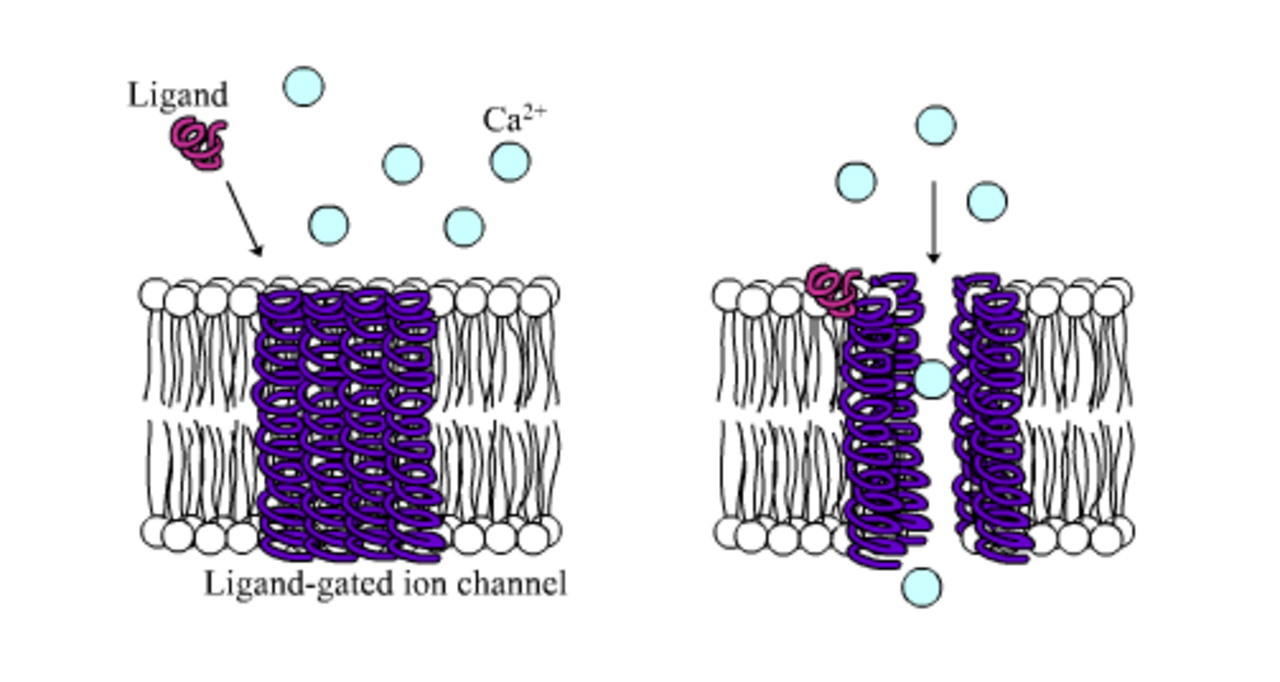
Ionotropic receptors, also known as ligand-gated ion channels (LICs, LGIC), are a crucial group of transmembrane ion-channel proteins that play a central role in neurotransmission and synaptic plasticity. These receptors are responsible for allowing ions such as Na+, K+, Ca2+, and/or Cl− to pass through the membrane in response to the binding of a chemical messenger, such as a neurotransmitter. The binding of a ligand to an ionotropic receptor triggers a conformational change that opens the ion channel, allowing ions to flow through the membrane and neuron to communicate with each other. Ionotropic receptors are essential for various physiological processes, including muscle contraction, sensory perception, and cognitive function. For example, the nicotinic acetylcholine receptor is an ionotropic receptor that plays a key role in muscle contraction and neurotransmission.
🧬 Structure and Function of Ionotropic Receptors
The structure and function of ionotropic receptors are complex and involve multiple subunits that come together to form a functional receptor. Each subunit has a specific role in the receptor's function, and the combination of subunits determines the receptor's properties, such as its ligand binding affinity and ion channel conductance. Ionotropic receptors can be divided into several subfamilies, including the cys-loop receptor superfamily, which includes receptors such as the GABA receptor and the nicotinic acetylcholine receptor. The structure of ionotropic receptors is crucial for their function, and any changes to the receptor's structure can affect its ability to bind ligands and conduct ions. For instance, the NMDA receptor is an ionotropic receptor that plays a key role in synaptic plasticity and learning and memory.
📈 Ligand-Gated Ion Channels: The Key to Neural Communication
Ligand-gated ion channels are the key to neural communication, and they play a crucial role in various physiological processes. These channels are responsible for allowing ions to flow through the membrane, which is essential for neuron communication and synaptic transmission. The binding of a ligand to an ionotropic receptor triggers a rapid increase in ion flow, which can lead to excitation or inhibition of the neuron. Ionotropic receptors are also involved in synaptic plasticity, which is the ability of synapses to change and adapt in response to experience. For example, the AMPA receptor is an ionotropic receptor that plays a key role in synaptic transmission and synaptic plasticity. The kainate receptor is another ionotropic receptor that is involved in synaptic transmission and neurotransmission.
🔑 Role of Neurotransmitters in Ionotropic Receptor Activation
Neurotransmitters play a crucial role in the activation of ionotropic receptors, and they are responsible for binding to the receptor and triggering a conformational change that opens the ion channel. Neurotransmitters are chemical messengers that are released by neurons and bind to receptors on adjacent neurons. The binding of a neurotransmitter to an ionotropic receptor can lead to either excitation or inhibition of the neuron, depending on the type of receptor and the neurotransmitter involved. For instance, the glutamate receptor is an ionotropic receptor that is activated by the neurotransmitter glutamate, which is the most abundant excitatory neurotransmitter in the central nervous system. The glycine receptor is an ionotropic receptor that is activated by the neurotransmitter glycine, which is an inhibitory neurotransmitter in the central nervous system.
🌐 Ionotropic Receptors in the Central Nervous System
Ionotropic receptors are widely expressed in the central nervous system, where they play a crucial role in various physiological processes, including sensory perception, cognitive function, and motor control. These receptors are involved in the transmission of signals between neurons and are essential for the proper functioning of the central nervous system. Ionotropic receptors are also involved in synaptic plasticity, which is the ability of synapses to change and adapt in response to experience. For example, the NMDA receptor is an ionotropic receptor that plays a key role in synaptic plasticity and learning and memory. The AMPA receptor is another ionotropic receptor that is involved in synaptic transmission and synaptic plasticity.
💡 Ionotropic Receptors and Synaptic Plasticity
Ionotropic receptors are involved in synaptic plasticity, which is the ability of synapses to change and adapt in response to experience. Synaptic plasticity is essential for learning and memory, and it is thought to be involved in various neurological disorders, including Alzheimer's disease and Parkinson's disease. Ionotropic receptors, such as the NMDA receptor and the AMPA receptor, play a crucial role in synaptic plasticity, and they are involved in the transmission of signals between neurons. The kainate receptor is another ionotropic receptor that is involved in synaptic transmission and synaptic plasticity. For instance, the nicotinic acetylcholine receptor is an ionotropic receptor that plays a key role in muscle contraction and neurotransmission.
🚨 Ionotropic Receptors in Neurological Disorders
Ionotropic receptors are involved in various neurological disorders, including epilepsy, Alzheimer's disease, and Parkinson's disease. These receptors are thought to be involved in the pathophysiology of these disorders, and they may be potential targets for therapeutic intervention. For example, the NMDA receptor is an ionotropic receptor that is involved in synaptic plasticity and learning and memory, and it is thought to be involved in the pathophysiology of Alzheimer's disease. The AMPA receptor is another ionotropic receptor that is involved in synaptic transmission and synaptic plasticity, and it is thought to be involved in the pathophysiology of epilepsy. The kainate receptor is also involved in synaptic transmission and synaptic plasticity, and it may be a potential target for therapeutic intervention in various neurological disorders.
🔬 Current Research and Future Directions
Current research on ionotropic receptors is focused on understanding their role in various physiological processes, including synaptic plasticity and neurotransmission. Researchers are also investigating the potential therapeutic applications of ionotropic receptors, including their use as targets for the treatment of various neurological disorders. For instance, the NMDA receptor is an ionotropic receptor that is involved in synaptic plasticity and learning and memory, and it is thought to be a potential target for the treatment of Alzheimer's disease. The AMPA receptor is another ionotropic receptor that is involved in synaptic transmission and synaptic plasticity, and it is thought to be a potential target for the treatment of epilepsy. The kainate receptor is also involved in synaptic transmission and synaptic plasticity, and it may be a potential target for therapeutic intervention in various neurological disorders.
📊 Ionotropic Receptor Modulation and Therapeutic Potential
Ionotropic receptors have a high therapeutic potential, and they may be used as targets for the treatment of various neurological disorders. These receptors are involved in various physiological processes, including synaptic plasticity and neurotransmission, and they may be modulated to treat various disorders. For example, the NMDA receptor is an ionotropic receptor that is involved in synaptic plasticity and learning and memory, and it is thought to be a potential target for the treatment of Alzheimer's disease. The AMPA receptor is another ionotropic receptor that is involved in synaptic transmission and synaptic plasticity, and it is thought to be a potential target for the treatment of epilepsy. The kainate receptor is also involved in synaptic transmission and synaptic plasticity, and it may be a potential target for therapeutic intervention in various neurological disorders.
👥 Ionotropic Receptors and Their Interactions with Other Proteins
Ionotropic receptors interact with other proteins to modulate their function and to regulate various physiological processes. These interactions can involve direct binding of proteins to the receptor or indirect modulation through signaling pathways. For example, the NMDA receptor is an ionotropic receptor that interacts with various proteins, including PSD-95 and SAPAP, to modulate its function and to regulate synaptic plasticity. The AMPA receptor is another ionotropic receptor that interacts with various proteins, including GluR1 and GluR2, to modulate its function and to regulate synaptic transmission. The kainate receptor is also involved in synaptic transmission and synaptic plasticity, and it interacts with various proteins to modulate its function.
🔜 Conclusion and Future Perspectives
In conclusion, ionotropic receptors are a crucial group of proteins that play a central role in neurotransmission and synaptic plasticity. These receptors are involved in various physiological processes, including sensory perception, cognitive function, and motor control. Ionotropic receptors are also involved in various neurological disorders, including epilepsy, Alzheimer's disease, and Parkinson's disease. Further research is needed to understand the role of ionotropic receptors in these disorders and to develop new therapeutic strategies for their treatment. For instance, the nicotinic acetylcholine receptor is an ionotropic receptor that plays a key role in muscle contraction and neurotransmission, and it may be a potential target for therapeutic intervention in various neurological disorders.
Key Facts
- Year
- 1990
- Origin
- Nobel Prize in Physiology or Medicine awarded to Eric Kandel for his work on signal transduction in the nervous system
- Category
- Neuroscience
- Type
- Biological Concept
Frequently Asked Questions
What are ionotropic receptors?
Ionotropic receptors, also known as ligand-gated ion channels (LICs, LGIC), are a group of transmembrane ion-channel proteins that play a central role in neurotransmission and synaptic plasticity. These receptors are responsible for allowing ions such as Na+, K+, Ca2+, and/or Cl− to pass through the membrane in response to the binding of a chemical messenger, such as a neurotransmitter. For example, the nicotinic acetylcholine receptor is an ionotropic receptor that plays a key role in muscle contraction and neurotransmission.
What is the role of ionotropic receptors in synaptic plasticity?
Ionotropic receptors, such as the NMDA receptor and the AMPA receptor, play a crucial role in synaptic plasticity, which is the ability of synapses to change and adapt in response to experience. These receptors are involved in the transmission of signals between neurons and are essential for the proper functioning of the central nervous system. For instance, the kainate receptor is an ionotropic receptor that is involved in synaptic transmission and synaptic plasticity.
What are the potential therapeutic applications of ionotropic receptors?
Ionotropic receptors have a high therapeutic potential, and they may be used as targets for the treatment of various neurological disorders, including epilepsy, Alzheimer's disease, and Parkinson's disease. These receptors are involved in various physiological processes, including synaptic plasticity and neurotransmission, and they may be modulated to treat various disorders. For example, the NMDA receptor is an ionotropic receptor that is involved in synaptic plasticity and learning and memory, and it is thought to be a potential target for the treatment of Alzheimer's disease.
How do ionotropic receptors interact with other proteins?
Ionotropic receptors interact with other proteins to modulate their function and to regulate various physiological processes. These interactions can involve direct binding of proteins to the receptor or indirect modulation through signaling pathways. For example, the NMDA receptor is an ionotropic receptor that interacts with various proteins, including PSD-95 and SAPAP, to modulate its function and to regulate synaptic plasticity. The AMPA receptor is another ionotropic receptor that interacts with various proteins, including GluR1 and GluR2, to modulate its function and to regulate synaptic transmission.
What is the role of ionotropic receptors in neurological disorders?
Ionotropic receptors are involved in various neurological disorders, including epilepsy, Alzheimer's disease, and Parkinson's disease. These receptors are thought to be involved in the pathophysiology of these disorders, and they may be potential targets for therapeutic intervention. For instance, the NMDA receptor is an ionotropic receptor that is involved in synaptic plasticity and learning and memory, and it is thought to be a potential target for the treatment of Alzheimer's disease. The AMPA receptor is another ionotropic receptor that is involved in synaptic transmission and synaptic plasticity, and it is thought to be a potential target for the treatment of epilepsy.
What is the current research on ionotropic receptors?
Current research on ionotropic receptors is focused on understanding their role in various physiological processes, including synaptic plasticity and neurotransmission. Researchers are also investigating the potential therapeutic applications of ionotropic receptors, including their use as targets for the treatment of various neurological disorders. For example, the NMDA receptor is an ionotropic receptor that is involved in synaptic plasticity and learning and memory, and it is thought to be a potential target for the treatment of Alzheimer's disease. The AMPA receptor is another ionotropic receptor that is involved in synaptic transmission and synaptic plasticity, and it is thought to be a potential target for the treatment of epilepsy.
What is the future perspective of ionotropic receptors?
In conclusion, ionotropic receptors are a crucial group of proteins that play a central role in neurotransmission and synaptic plasticity. These receptors are involved in various physiological processes, including sensory perception, cognitive function, and motor control. Ionotropic receptors are also involved in various neurological disorders, including epilepsy, Alzheimer's disease, and Parkinson's disease. Further research is needed to understand the role of ionotropic receptors in these disorders and to develop new therapeutic strategies for their treatment.