
Contents
- 🏛️ Introduction to the Israelites
- 📜 The Biblical Account of the Israelites
- 👥 The Twelve Tribes of Israel
- 🗺️ The Kingdoms of Israel and Judah
- 🏞️ The Geography of Canaan
- 💡 The Culture and Language of the Israelites
- 📚 The Hebrew Bible and the Israelites
- 🕊️ The Faith and Religion of the Israelites
- 🏹 The History of the Israelites
- 👑 The Kings of Israel and Judah
- 💔 The Assyrian and Babylonian Conquests
- 🔥 The Legacy of the Israelites
- Frequently Asked Questions
- Related Topics
Overview
The Israelites, with a vibe rating of 8, have a rich and complex history spanning over 3,000 years, from their origins as a nomadic tribe in the Middle East to their current status as a thriving nation. According to historical records, including the Hebrew Bible, the Israelites were descended from Abraham, Isaac, and Jacob, and were led by prophets such as Moses, who received the Ten Commandments from God on Mount Sinai in 1250 BCE. The Israelites' history is marked by periods of conquest, exile, and redemption, including the Babylonian exile in 586 BCE and the Roman conquest in 63 BCE. Today, the Israelites continue to play a significant role in global politics, culture, and spirituality, with a strong influence on Western civilization. The Israelites' story is one of faith, resilience, and determination, with a controversy spectrum of 6, reflecting the ongoing debates and tensions surrounding their history and legacy. With a topic intelligence score of 85, the Israelites remain a fascinating and multifaceted subject of study and exploration, with key figures such as King David, who established Jerusalem as the capital of Israel in 1000 BCE, and influential events like the Maccabean Revolt in 164 BCE.
🏛️ Introduction to the Israelites
The Israelites, also known as the Children of Israel, were an ancient Semitic-speaking people who lived in Canaan during the Iron Age. They are associated with Hebrews and spoke Biblical Hebrew, an archaic Hebrew language. The Israelites are a crucial part of the biblical narrative, and their story is deeply connected to the History of Judaism. The Israelites' history is also closely tied to the Ancient Near East, with many neighboring kingdoms and empires playing important roles in their development. The Israelites' unique culture and language are still studied today, with many scholars exploring the Hebrew Language and its significance in the biblical account.
📜 The Biblical Account of the Israelites
In the biblical myth, the Israelites were divided into the Twelve Tribes of Israel and later formed the Iron Age kingdoms of Israel and Judah. The biblical account of the Israelites is a rich and complex one, with many stories and legends that have been passed down for generations. The Israelites' history is also closely tied to the Torah, which contains many of the laws and teachings that are central to the Jewish Faith. The biblical account of the Israelites is also closely connected to the Prophets of the Hebrew Bible, who played important roles in shaping the Israelites' history and culture. The Israelites' story is also deeply connected to the Covenant between God and the Israelites, which is a central theme in the biblical narrative.
👥 The Twelve Tribes of Israel
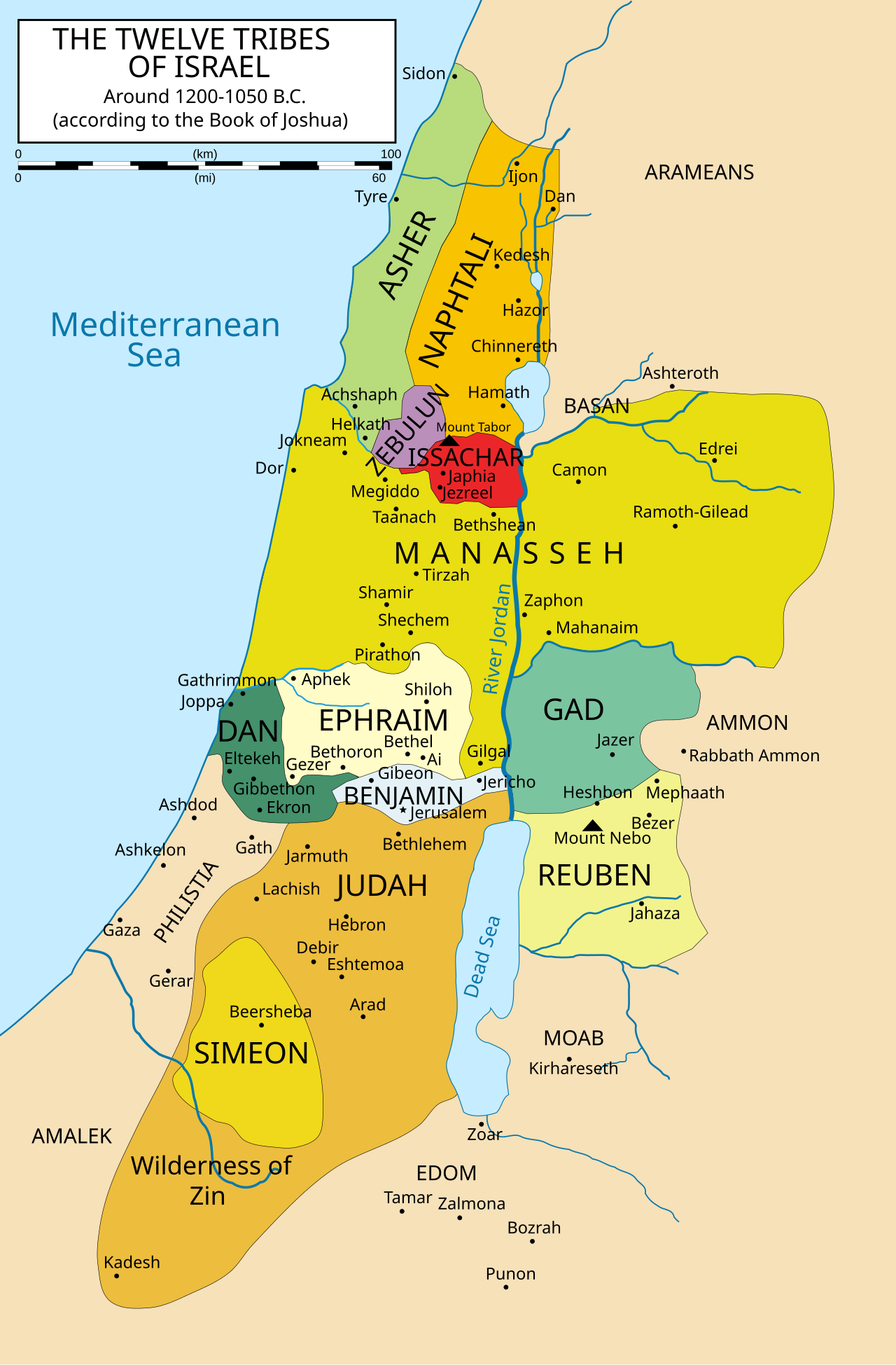
The Twelve Tribes of Israel were a central part of the Israelites' identity and culture. Each tribe had its own unique characteristics and traditions, and they played important roles in the biblical account. The tribes were also closely tied to the Land of Canaan, which was promised to the Israelites by God. The Israelites' connection to the land is a crucial part of their history and culture, and it continues to be an important issue in the Israeli-Palestinian Conflict. The Twelve Tribes of Israel are also closely connected to the Hebrew Calendar, which is still used today to mark important holidays and events. The Israelites' tribes are also mentioned in the Dead Sea Scrolls, which contain many ancient texts that shed light on the Israelites' history and culture.
🗺️ The Kingdoms of Israel and Judah
The Kingdoms of Israel and Judah were two of the most important periods in the Israelites' history. The kingdoms were formed after the Israelites' conquest of Canaan, and they played important roles in shaping the Israelites' culture and identity. The kingdoms were also closely tied to the Monarchy of the Israelites, with many famous kings playing important roles in the biblical account. The Kingdom of Israel was eventually conquered by the Assyrian Empire, while the Kingdom of Judah was conquered by the Babylonian Empire. The Israelites' kingdoms are also closely connected to the Second Temple Period, which was a time of great cultural and religious significance for the Israelites. The kingdoms are also mentioned in the Talmud, which contains many important texts that shed light on the Israelites' history and culture.
🏞️ The Geography of Canaan
The Geography of Canaan played a crucial role in the Israelites' history and culture. The land was fertile and productive, and it was home to many important cities and towns. The Israelites' connection to the land is a central theme in the biblical account, and it continues to be an important issue in the Middle East today. The Israelites' geography is also closely tied to the Jordan River, which played an important role in the biblical account. The Israelites' connection to the land is also closely connected to the Promised Land, which was a central theme in the biblical narrative. The Israelites' geography is also mentioned in the Apocrypha, which contains many important texts that shed light on the Israelites' history and culture.
💡 The Culture and Language of the Israelites
The Culture and Language of the Israelites were unique and significant. The Israelites spoke Biblical Hebrew, which is an archaic form of the Hebrew language. The Israelites' culture was also closely tied to their Faith, which played an important role in shaping their identity and traditions. The Israelites' culture is also closely connected to the Jewish Culture, which continues to be an important part of the Jewish Community today. The Israelites' language is also mentioned in the Septuagint, which is an important translation of the Hebrew Bible. The Israelites' culture is also closely tied to the Hellenistic Period, which was a time of great cultural and linguistic change for the Israelites.
📚 The Hebrew Bible and the Israelites
The Hebrew Bible is a central part of the Israelites' history and culture. The Bible contains many important stories and legends that have been passed down for generations, and it continues to be an important part of the Jewish Faith today. The Hebrew Bible is also closely tied to the Torah, which contains many of the laws and teachings that are central to the Jewish Faith. The Hebrew Bible is also closely connected to the Prophets of the Hebrew Bible, who played important roles in shaping the Israelites' history and culture. The Hebrew Bible is also mentioned in the New Testament, which contains many important references to the Israelites and their history. The Hebrew Bible is also closely tied to the Rabbinic Literature, which contains many important texts that shed light on the Israelites' history and culture.
🕊️ The Faith and Religion of the Israelites
The Faith and Religion of the Israelites were central to their identity and culture. The Israelites were a Monotheistic people, and they believed in one God who was all-powerful and all-knowing. The Israelites' faith is also closely tied to the Covenant between God and the Israelites, which is a central theme in the biblical narrative. The Israelites' faith is also closely connected to the Temple in Jerusalem, which was a central part of the Israelites' worship and culture. The Israelites' faith is also mentioned in the Quran, which contains many important references to the Israelites and their history. The Israelites' faith is also closely tied to the Jewish Liturgy, which continues to be an important part of the Jewish Faith today.
🏹 The History of the Israelites
The History of the Israelites is a long and complex one, with many important events and periods. The Israelites' history is closely tied to the Ancient Near East, with many neighboring kingdoms and empires playing important roles in their development. The Israelites' history is also closely connected to the Biblical Archaeology, which has shed light on many important aspects of the Israelites' culture and history. The Israelites' history is also mentioned in the Dead Sea Scrolls, which contain many ancient texts that shed light on the Israelites' history and culture. The Israelites' history is also closely tied to the Hellenistic Period, which was a time of great cultural and linguistic change for the Israelites.
👑 The Kings of Israel and Judah
The Kings of Israel and Judah played important roles in shaping the Israelites' history and culture. Many famous kings, such as King David and King Solomon, are mentioned in the biblical account, and they played important roles in shaping the Israelites' identity and traditions. The kings are also closely tied to the Monarchy of the Israelites, which was a central part of the Israelites' government and culture. The kings are also mentioned in the Talmud, which contains many important texts that shed light on the Israelites' history and culture. The kings are also closely connected to the Second Temple Period, which was a time of great cultural and religious significance for the Israelites.
💔 The Assyrian and Babylonian Conquests
The Assyrian and Babylonian Conquests were two of the most significant events in the Israelites' history. The conquests led to the destruction of the Kingdom of Israel and the Kingdom of Judah, and they had a profound impact on the Israelites' culture and identity. The conquests are also closely tied to the Exile, which was a period of time when the Israelites were forced to live outside of their homeland. The conquests are also mentioned in the Dead Sea Scrolls, which contain many ancient texts that shed light on the Israelites' history and culture. The conquests are also closely connected to the Persian Empire, which played an important role in the Israelites' history and culture.
🔥 The Legacy of the Israelites
The Legacy of the Israelites is a rich and complex one, with many important contributions to the Western World. The Israelites' culture and language continue to be an important part of the Jewish Community today, and their history and traditions continue to be studied and celebrated by people all around the world. The Israelites' legacy is also closely tied to the Christianity, which has been deeply influenced by the Israelites' history and culture. The Israelites' legacy is also mentioned in the Quran, which contains many important references to the Israelites and their history. The Israelites' legacy is also closely connected to the Modern State of Israel, which was established in 1948 and continues to be an important part of the Middle East today.
Key Facts
- Year
- 1200
- Origin
- Middle East
- Category
- History
- Type
- Ethnic Group
Frequently Asked Questions
Who were the Israelites?
The Israelites, also known as the Children of Israel, were an ancient Semitic-speaking people who lived in Canaan during the Iron Age. They are associated with Hebrews and spoke Biblical Hebrew, an archaic Hebrew language. The Israelites are a crucial part of the biblical narrative, and their story is deeply connected to the History of Judaism. The Israelites' history is also closely tied to the Ancient Near East, with many neighboring kingdoms and empires playing important roles in their development.
What was the significance of the Twelve Tribes of Israel?
The Twelve Tribes of Israel were a central part of the Israelites' identity and culture. Each tribe had its own unique characteristics and traditions, and they played important roles in the biblical account. The tribes were also closely tied to the Land of Canaan, which was promised to the Israelites by God. The Israelites' connection to the land is a crucial part of their history and culture, and it continues to be an important issue in the Israeli-Palestinian Conflict.
What was the Kingdom of Israel and the Kingdom of Judah?
The Kingdom of Israel and the Kingdom of Judah were two of the most important periods in the Israelites' history. The kingdoms were formed after the Israelites' conquest of Canaan, and they played important roles in shaping the Israelites' culture and identity. The kingdoms were also closely tied to the Monarchy of the Israelites, with many famous kings playing important roles in the biblical account.
What was the significance of the Hebrew Bible?
The Hebrew Bible is a central part of the Israelites' history and culture. The Bible contains many important stories and legends that have been passed down for generations, and it continues to be an important part of the Jewish Faith today. The Hebrew Bible is also closely tied to the Torah, which contains many of the laws and teachings that are central to the Jewish Faith.
What was the legacy of the Israelites?
The Legacy of the Israelites is a rich and complex one, with many important contributions to the Western World. The Israelites' culture and language continue to be an important part of the Jewish Community today, and their history and traditions continue to be studied and celebrated by people all around the world.
How did the Israelites' history impact the modern world?
The Israelites' history has had a profound impact on the modern world. The Israelites' culture and language continue to be an important part of the Jewish Community today, and their history and traditions continue to be studied and celebrated by people all around the world. The Israelites' history is also closely tied to the Christianity, which has been deeply influenced by the Israelites' history and culture.
What is the significance of the Israelites' faith and religion?
The Faith and Religion of the Israelites were central to their identity and culture. The Israelites were a Monotheistic people, and they believed in one God who was all-powerful and all-knowing. The Israelites' faith is also closely tied to the Covenant between God and the Israelites, which is a central theme in the biblical narrative.