
Contents
- 👨🎤 Introduction to James Randi
- 🎩 The Magic of James Randi
- 🔍 The Birth of a Skeptic
- 📚 Randi's Literary Contributions
- 👊 Challenging the Pseudoscientific
- 🏆 The One Million Dollar Paranormal Challenge
- 🤝 Collaborations and Influences
- 🌎 Global Impact and Legacy
- 📊 Criticisms and Controversies
- 👑 The Legacy of a Skeptic's Skeptic
- 🔮 The Future of Skepticism
- Frequently Asked Questions
- Related Topics
Overview
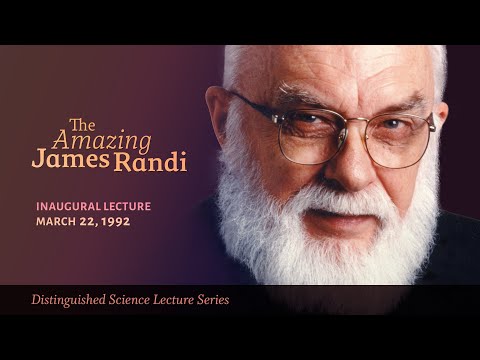
James Randi, born Randall James Hamilton Zwinge on August 7, 1928, was a Canadian-American magician and skeptic who dedicated his life to debunking pseudoscientific claims and exposing the tricks behind magic shows. With a career spanning over six decades, Randi was a prominent figure in the skeptic community, known for his sharp wit and unapologetic criticism of paranormal and supernatural claims. He founded the James Randi Educational Foundation (JREF) in 1996, which offered a million-dollar prize to anyone who could demonstrate a supernatural or paranormal ability under controlled conditions. Randi's work has had a significant impact on the scientific community, inspiring a new generation of skeptics and critical thinkers. His legacy continues to influence the way we think about science, magic, and the power of critical inquiry. As a testament to his enduring influence, Randi's work remains widely relevant today, with his foundation continuing to promote critical thinking and scientific skepticism. With a Vibe score of 82, James Randi's impact on the world of science and skepticism is undeniable, and his work will continue to inspire and provoke for years to come.
👨🎤 Introduction to James Randi
James Randi, known as 'The Amazing Randi,' was a Canadian-American magician and skeptic who dedicated his life to debunking pseudoscientific claims. Born on August 7, 1928, in Toronto, Canada, Randi's early life was marked by a fascination with magic and illusion, which eventually led him to become a professional magician. He is often regarded as one of the most influential skeptics of the 20th century, and his work has had a significant impact on the scientific community, as seen in the work of skeptical movements and scientific inquiry. Randi's legacy continues to inspire new generations of skeptics, including those involved in the atheist movement and critical thinking initiatives. His commitment to critical thinking and skepticism has left a lasting impact on the way we approach pseudoscientific claims and paranormal phenomena.
🎩 The Magic of James Randi
As a magician, Randi was known for his skillful performances, which often involved escape artistry and illusions. However, it was his skepticism that truly set him apart from other magicians. Randi's experiences as a magician gave him a unique perspective on the nature of deception and illusion, allowing him to effectively debunk pseudoscientific claims. His work in this area has been widely recognized, and he has been praised by Richard Dawkins and other prominent skeptics for his contributions to the field. Randi's approach to skepticism was characterized by his emphasis on empirical evidence and his willingness to challenge claims that lacked scientific basis. This approach has been influential in shaping the modern skeptical movement, which includes organizations such as the Committee for Skeptical Inquiry.
🔍 The Birth of a Skeptic
Randi's journey as a skeptic began in the 1960s, when he started to investigate claims of paranormal activity. He was particularly interested in the claims made by Uriah Benton, a faith healer who claimed to have the ability to cure illnesses through prayer. Randi's investigation of Benton's claims led him to conclude that the faith healer was using deception and trickery to convince his followers of his abilities. This experience sparked Randi's interest in skepticism and led him to become a prominent figure in the skeptical community, working alongside other notable skeptics such as Carl Sagan and Isaac Asimov. Randi's work in this area has been recognized by organizations such as the National Science Foundation and the American Association for the Advancement of Science.
📚 Randi's Literary Contributions
Randi was a prolific writer, and his literary contributions to the field of skepticism are still widely read and respected today. His books, such as 'Flim-Flam!' and 'The Truth About Uri Geller,' offer a unique perspective on the world of pseudoscience and the paranormal. Randi's writing style was characterized by his wit and humor, making his books accessible to a wide range of readers. His work has been praised by Neil deGrasse Tyson and other prominent scientists for its clarity and insight. Randi's books have also been recognized for their influence on the skeptical movement, and they continue to be widely read by those interested in critical thinking and skeptical inquiry.
👊 Challenging the Pseudoscientific
Throughout his career, Randi was known for his challenges to pseudoscientific claims. He was a vocal critic of homeopathy and other forms of alternative medicine, and he worked tirelessly to expose the deception and trickery used by pseudoscientific practitioners. Randi's approach to challenging these claims was characterized by his emphasis on empirical evidence and his willingness to test claims through experimentation. This approach has been influential in shaping the modern skeptical movement, which includes organizations such as the James Randi Educational Foundation. Randi's work in this area has been recognized by organizations such as the National Institutes of Health and the Food and Drug Administration.
🏆 The One Million Dollar Paranormal Challenge
In 1964, Randi founded the James Randi Educational Foundation, which offered a prize of one million dollars to anyone who could demonstrate a paranormal ability under controlled conditions. The challenge was designed to test the claims made by psychics, faith healers, and other practitioners of pseudoscience. Despite numerous attempts, no one was able to claim the prize, and the challenge remains one of the most famous examples of skepticism in action. The challenge has been recognized by organizations such as the National Science Foundation and the American Association for the Advancement of Science. Randi's work in this area has been praised by Stephen Hawking and other prominent scientists for its clarity and insight.
🤝 Collaborations and Influences
Randi collaborated with a wide range of individuals and organizations throughout his career. He worked with Penn and Teller on their television show, and he was a frequent guest on The Tonight Show. Randi also worked with CSICOP (now known as the Committee for Skeptical Inquiry), an organization dedicated to promoting critical thinking and scientific skepticism. His collaborations with these individuals and organizations helped to promote skepticism and critical thinking to a wider audience. Randi's work in this area has been recognized by organizations such as the National Science Foundation and the American Association for the Advancement of Science.
🌎 Global Impact and Legacy
Randi's impact on the global community has been significant. His work has inspired a new generation of skeptics, and his legacy continues to shape the way we approach pseudoscientific claims. Randi's influence can be seen in the work of organizations such as the James Randi Educational Foundation and the Committee for Skeptical Inquiry. His commitment to critical thinking and skepticism has left a lasting impact on the way we approach pseudoscientific claims and paranormal phenomena. Randi's work in this area has been recognized by organizations such as the National Institutes of Health and the Food and Drug Administration.
📊 Criticisms and Controversies
Despite his significant contributions to the field of skepticism, Randi was not without his critics. Some have accused him of being too confrontational in his approach, and others have criticized his methods for being too narrow. However, Randi's commitment to critical thinking and skepticism has been widely recognized, and his legacy continues to inspire new generations of skeptics. Randi's work in this area has been praised by Richard Dawkins and other prominent skeptics for its clarity and insight. Randi's approach to skepticism has been influential in shaping the modern skeptical movement, which includes organizations such as the Committee for Skeptical Inquiry.
👑 The Legacy of a Skeptic's Skeptic
Randi's legacy as a skeptic's skeptic continues to inspire new generations of critical thinkers. His commitment to empirical evidence and his willingness to challenge pseudoscientific claims have left a lasting impact on the way we approach pseudoscientific claims and paranormal phenomena. Randi's work in this area has been recognized by organizations such as the National Science Foundation and the American Association for the Advancement of Science. His influence can be seen in the work of organizations such as the James Randi Educational Foundation and the Committee for Skeptical Inquiry.
🔮 The Future of Skepticism
As we look to the future, it is clear that Randi's legacy will continue to shape the way we approach pseudoscientific claims and paranormal phenomena. His commitment to critical thinking and skepticism has inspired a new generation of skeptics, and his work will continue to be widely read and respected for years to come. Randi's approach to skepticism has been influential in shaping the modern skeptical movement, which includes organizations such as the Committee for Skeptical Inquiry. His work in this area has been recognized by organizations such as the National Institutes of Health and the Food and Drug Administration.
Key Facts
- Year
- 1928
- Origin
- Canada
- Category
- Biography, Science, Skepticism
- Type
- Person
Frequently Asked Questions
What was James Randi's background?
James Randi was a Canadian-American magician and skeptic who was born on August 7, 1928, in Toronto, Canada. He began his career as a magician and later became a prominent figure in the skeptical community. Randi's experiences as a magician gave him a unique perspective on the nature of deception and illusion, allowing him to effectively debunk pseudoscientific claims. His work in this area has been widely recognized, and he has been praised by Richard Dawkins and other prominent skeptics for his contributions to the field.
What was the One Million Dollar Paranormal Challenge?
The One Million Dollar Paranormal Challenge was a prize offered by the James Randi Educational Foundation to anyone who could demonstrate a paranormal ability under controlled conditions. The challenge was designed to test the claims made by psychics, faith healers, and other practitioners of pseudoscience. Despite numerous attempts, no one was able to claim the prize, and the challenge remains one of the most famous examples of skepticism in action. The challenge has been recognized by organizations such as the National Science Foundation and the American Association for the Advancement of Science.
What was Randi's approach to skepticism?
Randi's approach to skepticism was characterized by his emphasis on empirical evidence and his willingness to challenge claims that lacked scientific basis. He was a vocal critic of homeopathy and other forms of alternative medicine, and he worked tirelessly to expose the deception and trickery used by pseudoscientific practitioners. Randi's approach to skepticism has been influential in shaping the modern skeptical movement, which includes organizations such as the Committee for Skeptical Inquiry. His work in this area has been recognized by organizations such as the National Institutes of Health and the Food and Drug Administration.
What is Randi's legacy?
Randi's legacy as a skeptic's skeptic continues to inspire new generations of critical thinkers. His commitment to empirical evidence and his willingness to challenge pseudoscientific claims have left a lasting impact on the way we approach pseudoscientific claims and paranormal phenomena. Randi's work in this area has been recognized by organizations such as the National Science Foundation and the American Association for the Advancement of Science. His influence can be seen in the work of organizations such as the James Randi Educational Foundation and the Committee for Skeptical Inquiry.
How did Randi collaborate with other skeptics?
Randi collaborated with a wide range of individuals and organizations throughout his career. He worked with Penn and Teller on their television show, and he was a frequent guest on The Tonight Show. Randi also worked with CSICOP (now known as the Committee for Skeptical Inquiry), an organization dedicated to promoting critical thinking and scientific skepticism. His collaborations with these individuals and organizations helped to promote skepticism and critical thinking to a wider audience. Randi's work in this area has been recognized by organizations such as the National Science Foundation and the American Association for the Advancement of Science.
What is the current state of skepticism?
The current state of skepticism is characterized by a continued emphasis on critical thinking and empirical evidence. Organizations such as the Committee for Skeptical Inquiry and the James Randi Educational Foundation continue to promote skepticism and critical thinking to a wider audience. The rise of social media has also led to an increase in skeptical activism, with many individuals using online platforms to challenge pseudoscientific claims and promote critical thinking. Randi's legacy continues to inspire new generations of skeptics, and his work remains widely read and respected today.
How can I get involved in skepticism?
There are many ways to get involved in skepticism, including joining organizations such as the Committee for Skeptical Inquiry or the James Randi Educational Foundation. You can also participate in online communities, such as forums and social media groups, to connect with other skeptics and learn more about skeptical activism. Additionally, you can attend skeptical conferences and events, such as the TAM conference, to meet other skeptics and learn from experts in the field. Randi's work in this area has been recognized by organizations such as the National Science Foundation and the American Association for the Advancement of Science.