
Contents
- 📈 Introduction to Kanban
- 🏭 The Origins of Kanban
- 📊 Key Principles of Kanban
- 📈 Implementing Kanban in Agile Project Management
- 📊 Benefits of Kanban in Project Management
- 📝 Kanban Boards and Visualization
- 📊 Kanban Metrics and Performance Measurement
- 🤝 Kanban and Team Collaboration
- 📈 Overcoming Challenges in Kanban Implementation
- 📊 Future of Kanban in Project Management
- 📚 Conclusion and Best Practices
- Frequently Asked Questions
- Related Topics
Overview
Kanban, which originated in the 1950s at Toyota, has evolved into a widely adopted methodology for managing and improving work across various industries. The term 'kanban' translates to 'visual board' or 'card' in Japanese, reflecting its core principle of visualizing work as it moves through a system. By focusing on lead time, cycle time, and throughput, kanban aims to create a more efficient and responsive workflow. With a vibe rating of 8, kanban has gained significant traction, especially among software development teams, due to its flexibility and adaptability. As of 2022, kanban has been widely adopted by companies such as Microsoft, IBM, and Accenture, with over 70% of organizations using some form of agile methodology. The controversy surrounding kanban's effectiveness in certain contexts, such as large-scale projects, has sparked debates among experts, with some arguing that it lacks the structure and predictability of traditional project management approaches.
📈 Introduction to Kanban
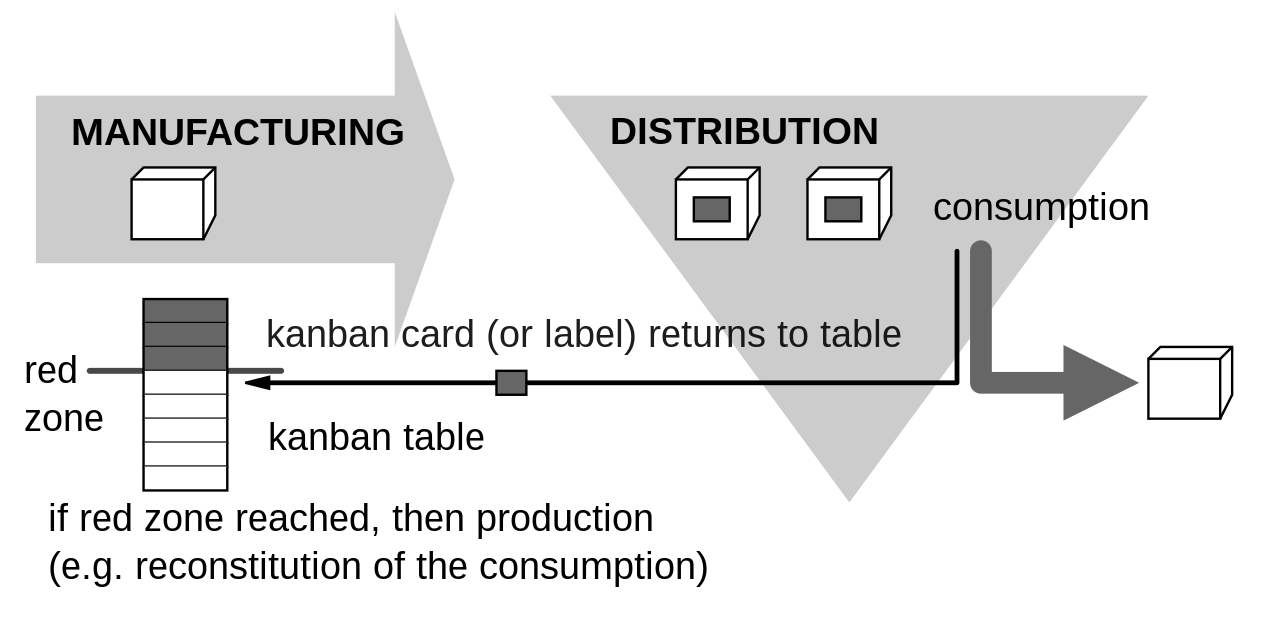
Kanban is a scheduling system for lean manufacturing that has evolved into a popular approach for agile project management. Developed by Taiichi Ohno, an industrial engineer at Toyota, kanban aims to improve manufacturing efficiency by visualizing workflows and limiting work in progress. The system takes its name from the cards that track production within a factory, also known as the Toyota Production System. As a key component of the lean manufacturing methodology, kanban has been widely adopted in various industries, including software development and IT project management. For more information on lean manufacturing, visit the Lean Manufacturing page. To learn more about the Toyota Production System, check out the Toyota Production System article.
🏭 The Origins of Kanban
The origins of kanban date back to the 1950s, when Taiichi Ohno was working at Toyota. Ohno was inspired by the just-in-time production system and the concept of total quality management. He developed kanban as a way to improve manufacturing efficiency by reducing waste and improving workflow visualization. The system was initially used in Toyota's production lines and later spread to other industries. Today, kanban is used in various fields, including software development, IT project management, and agile project management. To learn more about the history of kanban, visit the History of Kanban page. For information on just-in-time production, check out the Just-in-Time Production article.
📊 Key Principles of Kanban
The key principles of kanban include visualization, limitation of work in progress, and continuous improvement. Visualization involves mapping out the workflow and tracking progress using kanban boards or other visualization tools. Limitation of work in progress helps to reduce waste and improve efficiency by limiting the amount of work that is in progress at any given time. Continuous improvement involves regularly reviewing and refining the workflow to improve efficiency and reduce waste. These principles are essential for implementing kanban in agile project management and can be applied to various industries, including software development and IT project management. For more information on kanban boards, visit the Kanban Boards page. To learn about the principles of kanban, check out the Principles of Kanban article.
📈 Implementing Kanban in Agile Project Management
Implementing kanban in agile project management involves several steps, including mapping out the workflow, establishing work-in-progress limits, and implementing a pull system. Mapping out the workflow involves visualizing the entire workflow, from start to finish, and identifying areas for improvement. Establishing work-in-progress limits helps to reduce waste and improve efficiency by limiting the amount of work that is in progress at any given time. Implementing a pull system involves pulling work into the next stage of production only when it is needed, rather than pushing work into the next stage. For more information on work-in-progress limits, visit the Work-in-Progress Limits page. To learn about pull systems, check out the Pull System article.
📊 Benefits of Kanban in Project Management
The benefits of kanban in project management include improved efficiency, reduced waste, and increased productivity. Kanban helps to visualize the workflow, identify areas for improvement, and limit work in progress, which can help to reduce waste and improve efficiency. Additionally, kanban promotes continuous improvement, which can help to increase productivity and quality. Kanban is also a flexible and adaptable approach that can be applied to various industries and projects, making it a popular choice for agile project management. For more information on the benefits of kanban, visit the Benefits of Kanban page. To learn about agile project management, check out the Agile Project Management article.
📝 Kanban Boards and Visualization
Kanban boards are a key tool for visualizing the workflow and tracking progress in kanban. A kanban board typically consists of columns or lanes that represent different stages of production, and cards or sticky notes that represent individual tasks or items. The board is used to visualize the workflow, track progress, and identify areas for improvement. Kanban boards can be physical or digital, and can be customized to fit the needs of the team or project. For more information on kanban boards, visit the Kanban Boards page. To learn about workflow visualization, check out the Workflow Visualization article.
📊 Kanban Metrics and Performance Measurement
Kanban metrics and performance measurement involve tracking key metrics such as lead time, cycle time, and throughput. Lead time refers to the time it takes for a task or item to move through the entire workflow, from start to finish. Cycle time refers to the time it takes for a task or item to move through a single stage of production. Throughput refers to the amount of work that is completed within a given time period. These metrics can help to identify areas for improvement and track the effectiveness of the kanban system. For more information on kanban metrics, visit the Kanban Metrics page. To learn about performance measurement, check out the Performance Measurement article.
🤝 Kanban and Team Collaboration
Kanban and team collaboration involve working together as a team to visualize the workflow, establish work-in-progress limits, and implement a pull system. Team collaboration is essential for implementing kanban effectively, as it requires a shared understanding of the workflow and a commitment to continuous improvement. Kanban promotes team collaboration by encouraging team members to work together to identify areas for improvement and implement changes. For more information on team collaboration, visit the Team Collaboration page. To learn about kanban implementation, check out the Kanban Implementation article.
📈 Overcoming Challenges in Kanban Implementation
Overcoming challenges in kanban implementation involves addressing common obstacles such as resistance to change, lack of understanding, and inadequate training. Resistance to change can be addressed by communicating the benefits of kanban and involving team members in the implementation process. Lack of understanding can be addressed by providing training and education on kanban principles and practices. Inadequate training can be addressed by providing ongoing support and coaching to team members. For more information on overcoming challenges, visit the Overcoming Challenges page. To learn about kanban training, check out the Kanban Training article.
📊 Future of Kanban in Project Management
The future of kanban in project management involves continued adoption and evolution of the approach. As more teams and organizations adopt kanban, it is likely that the approach will continue to evolve and improve. New tools and technologies, such as digital kanban boards and automation, are likely to play a key role in the future of kanban. Additionally, the increasing demand for agile and flexible project management approaches is likely to drive the adoption of kanban in various industries. For more information on the future of kanban, visit the Future of Kanban page. To learn about agile project management trends, check out the Agile Project Management Trends article.
📚 Conclusion and Best Practices
In conclusion, kanban is a powerful approach for agile project management that offers many benefits, including improved efficiency, reduced waste, and increased productivity. By visualizing the workflow, establishing work-in-progress limits, and implementing a pull system, teams can improve their workflow and achieve their goals. As the approach continues to evolve and improve, it is likely that kanban will remain a popular choice for agile project management. For more information on kanban best practices, visit the Kanban Best Practices page. To learn about agile project management best practices, check out the Agile Project Management Best Practices article.
Key Facts
- Year
- 1953
- Origin
- Toyota, Japan
- Category
- Project Management
- Type
- Methodology
Frequently Asked Questions
What is kanban?
Kanban is a scheduling system for lean manufacturing that has evolved into a popular approach for agile project management. It involves visualizing the workflow, establishing work-in-progress limits, and implementing a pull system to improve efficiency and reduce waste. For more information on kanban, visit the What is Kanban page. To learn about the benefits of kanban, check out the Benefits of Kanban article.
How does kanban work?
Kanban works by visualizing the workflow, establishing work-in-progress limits, and implementing a pull system. The approach involves mapping out the workflow, identifying areas for improvement, and limiting work in progress to reduce waste and improve efficiency. For more information on how kanban works, visit the How Kanban Works page. To learn about kanban implementation, check out the Kanban Implementation article.
What are the benefits of kanban?
The benefits of kanban include improved efficiency, reduced waste, and increased productivity. Kanban helps to visualize the workflow, identify areas for improvement, and limit work in progress, which can help to reduce waste and improve efficiency. For more information on the benefits of kanban, visit the Benefits of Kanban page. To learn about agile project management benefits, check out the Agile Project Management Benefits article.
How do I implement kanban in my team?
To implement kanban in your team, start by mapping out the workflow and identifying areas for improvement. Establish work-in-progress limits and implement a pull system to reduce waste and improve efficiency. Provide training and education to team members on kanban principles and practices, and encourage team collaboration and continuous improvement. For more information on implementing kanban, visit the Implementing Kanban page. To learn about kanban training, check out the Kanban Training article.
What are some common challenges in kanban implementation?
Common challenges in kanban implementation include resistance to change, lack of understanding, and inadequate training. To overcome these challenges, communicate the benefits of kanban, provide training and education, and encourage team collaboration and continuous improvement. For more information on overcoming challenges, visit the Overcoming Challenges page. To learn about kanban implementation best practices, check out the Kanban Implementation Best Practices article.
How does kanban relate to agile project management?
Kanban is a key component of agile project management, as it provides a flexible and adaptable approach to managing workflows and improving efficiency. Kanban is often used in conjunction with other agile methodologies, such as Scrum and Extreme Programming. For more information on agile project management, visit the Agile Project Management page. To learn about kanban and agile, check out the Kanban and Agile article.
What are some best practices for using kanban?
Best practices for using kanban include visualizing the workflow, establishing work-in-progress limits, and implementing a pull system. Additionally, provide training and education to team members, encourage team collaboration and continuous improvement, and regularly review and refine the workflow to improve efficiency and reduce waste. For more information on best practices, visit the Kanban Best Practices page. To learn about agile project management best practices, check out the Agile Project Management Best Practices article.