
Contents
- 🏛️ Introduction to Ancient Greek Architecture
- 👨💼 The Life and Works of Ictinus
- 🏗️ Phidias: The Mastermind Behind the Parthenon's Sculptures
- 📐 Callicrates: The Architect of the Parthenon's Design
- 👑 Pericles: The Statesman Behind the Parthenon's Construction
- 🏯 The Influence of Mnesikles on Ancient Greek Architecture
- 📚 The Writings of Vitruvius: A Window into Ancient Greek Architectural Thought
- 🔨 The Engineering Feats of the Parthenon's Construction
- 👥 The Collaborative Effort: How Multiple Architects Contributed to the Parthenon's Design
- 🏛️ The Legacy of the Parthenon: How Ancient Greek Architecture Shaped the Modern World
- 📊 The Economics of the Parthenon's Construction: A Costly but Worthwhile Venture
- 👀 Conclusion: The Enduring Impact of the Pioneers of the Parthenon
- Frequently Asked Questions
- Related Topics
Overview
Ancient Greek architecture was shaped by visionary figures such as Ictinus, Callicrates, and Phidias, who designed iconic structures like the Parthenon, Theater of Dionysus, and Stoa of Attalos. These architects not only reflected the cultural and philosophical values of their time but also pioneered innovative techniques and styles that would influence Western architecture for centuries. With a Vibe score of 8, their work continues to inspire wonder and awe, from the precise proportions of the Parthenon's facade to the sweeping curves of Greek theaters. The controversy surrounding the role of architects in ancient Greek society, with some arguing they were mere craftsmen while others see them as visionary artists, adds a layer of complexity to their legacy. As we look to the future, the question remains: how can we balance preservation of these ancient wonders with the need for modernization and accessibility? The answer may lie in the work of contemporary architects who are reinterpreting ancient Greek designs for the 21st century, such as the revival of classical elements in modern buildings or the incorporation of sustainable materials and technologies into historic preservation projects.
🏛️ Introduction to Ancient Greek Architecture
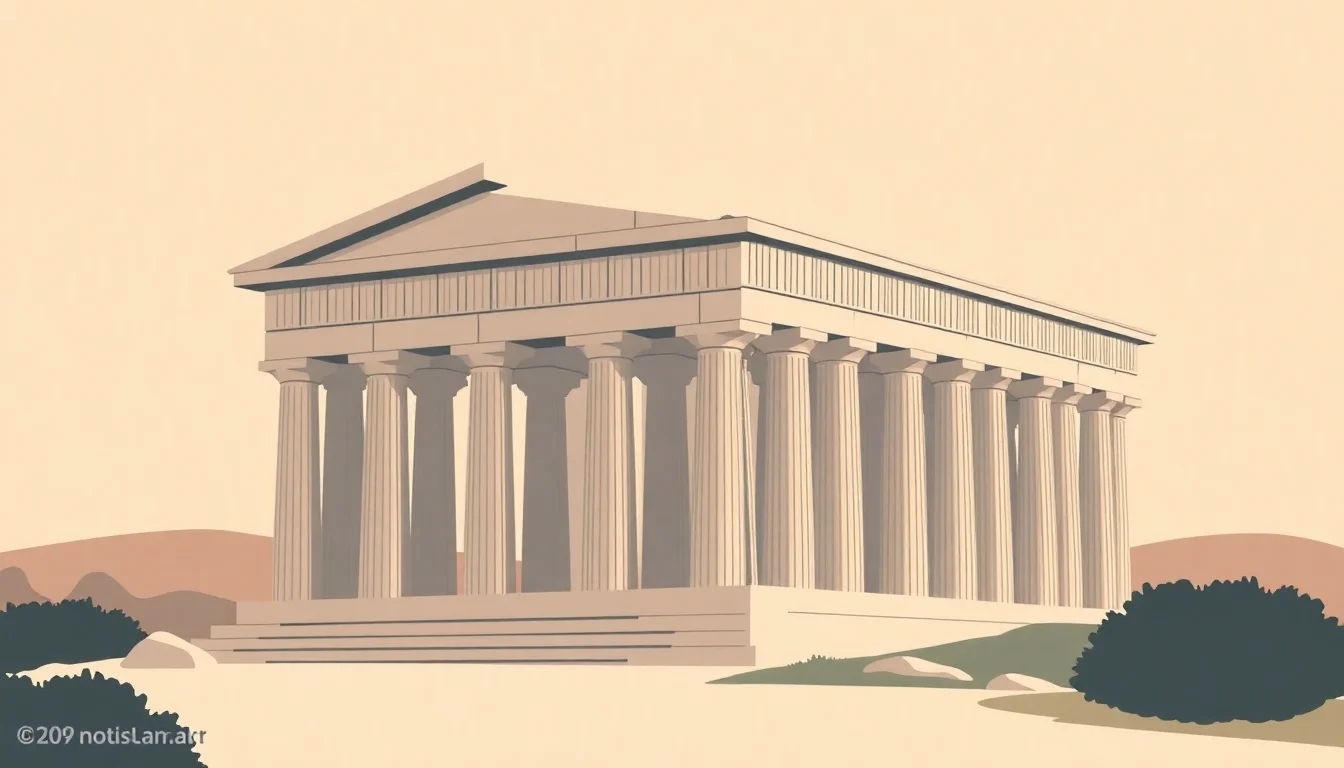
The Parthenon, an iconic symbol of ancient Greek architecture, was the culmination of the work of several key figures. Ancient Greek architecture was characterized by its use of columns, pediments, and friezes, as seen in the Parthenon. The Acropolis of Athens, where the Parthenon is located, was a hub of architectural innovation, with architects like Ictinus and Callicrates pushing the boundaries of design. The Parthenon's construction was a testament to the ingenuity and skill of these ancient architects, who were able to create a structure that has withstood the test of time. The history of ancient Greece is filled with examples of architectural achievements, but the Parthenon remains one of the most impressive. As we explore the lives and works of the pioneers of the Parthenon, we will see how their contributions shaped the course of architectural history.
👨💼 The Life and Works of Ictinus
Ictinus, one of the primary architects of the Parthenon, was a renowned figure in ancient Greek architecture. His work on the Temple of Apollo at Bassae is still studied by architects today, and his collaboration with Phidias on the Parthenon's sculptures is a testament to his skill. Ictinus's use of the Doric order in his designs was a departure from the more common Ionic order, and his innovative approach to architecture helped to establish him as one of the leading architects of his time. The Vitruvius writings provide valuable insights into the architectural thought of the time, and Ictinus's work is often cited as an example of the principles outlined in Vitruvius's writings. Ictinus's legacy extends beyond his work on the Parthenon, with his influence visible in the designs of later architects, such as Mnesikles.
🏗️ Phidias: The Mastermind Behind the Parthenon's Sculptures
Phidias, the mastermind behind the Parthenon's sculptures, was a true artist and innovator. His work on the Statue of Zeus at Olympia is considered one of the greatest artistic achievements of the ancient world, and his sculptures on the Parthenon are still admired for their beauty and craftsmanship. Phidias's use of chryselephantine sculpture, a technique that combined gold and ivory, was a new and exciting development in ancient Greek art. The Athenian school of sculpture, which Phidias was a part of, was known for its emphasis on naturalism and realism, and Phidias's work is a prime example of this style. Phidias's collaboration with Ictinus on the Parthenon's design was a key factor in the building's success, and his sculptures remain some of the most iconic and enduring images of ancient Greek art. The art of ancient Greece is filled with examples of Phidias's influence, and his work continues to inspire artists and architects to this day.
📐 Callicrates: The Architect of the Parthenon's Design
Callicrates, the architect of the Parthenon's design, was a skilled and innovative designer. His use of the Doric order in the Parthenon's design was a bold choice, and his incorporation of the Ionic order in the building's interior was a masterstroke. Callicrates's work on the Temple of Athena Nike is another example of his skill and creativity, and his influence can be seen in the designs of later architects, such as Mnesikles. The architecture of ancient Greece was characterized by its use of columns, pediments, and friezes, and Callicrates's work is a prime example of this style. Callicrates's collaboration with Ictinus and Phidias on the Parthenon's design was a key factor in the building's success, and his legacy extends beyond his work on the Parthenon, with his influence visible in the designs of buildings throughout the ancient world. The history of architecture is filled with examples of Callicrates's influence, and his work continues to inspire architects and designers to this day.
👑 Pericles: The Statesman Behind the Parthenon's Construction
Pericles, the statesman behind the Parthenon's construction, was a key figure in ancient Greek politics. His vision for the Acropolis of Athens, which included the construction of the Parthenon, was a bold and ambitious plan, and his leadership was instrumental in bringing the project to fruition. Pericles's use of public funds to finance the construction of the Parthenon was a controversial decision, but it ultimately paid off, as the building became a symbol of Athenian power and culture. The Golden Age of Athens, which occurred during Pericles's rule, was a time of great cultural and artistic achievement, and the Parthenon was a prime example of this. Pericles's legacy extends beyond his work on the Parthenon, with his influence visible in the development of democracy in ancient Greece. The politics of ancient Greece were complex and often contentious, but Pericles's leadership was a key factor in the success of the Athenian state.
🏯 The Influence of Mnesikles on Ancient Greek Architecture
Mnesikles, an architect who worked on the Propylaea, was influenced by the work of Ictinus and Callicrates. His use of the Doric order in the Propylaea's design was a nod to the Parthenon's design, and his incorporation of the Ionic order in the building's interior was a masterstroke. Mnesikles's work on the Propylaea was a key factor in the development of the Acropolis of Athens, and his influence can be seen in the designs of later architects. The architecture of ancient Greece was characterized by its use of columns, pediments, and friezes, and Mnesikles's work is a prime example of this style. Mnesikles's collaboration with other architects, such as Ictinus and Callicrates, was a key factor in the success of the Propylaea, and his legacy extends beyond his work on the building, with his influence visible in the designs of buildings throughout the ancient world. The history of architecture is filled with examples of Mnesikles's influence, and his work continues to inspire architects and designers to this day.
📚 The Writings of Vitruvius: A Window into Ancient Greek Architectural Thought
The writings of Vitruvius provide valuable insights into the architectural thought of ancient Greece. His book, De Architectura, is a comprehensive guide to the principles of architecture, and his writings on the Parthenon are particularly informative. Vitruvius's emphasis on the importance of proportion and harmony in design is a key aspect of his architectural philosophy, and his writings have had a lasting impact on the development of architecture. The architecture of ancient Greece was characterized by its use of columns, pediments, and friezes, and Vitruvius's writings provide a detailed explanation of these elements. Vitruvius's influence can be seen in the designs of later architects, such as Mnesikles, and his writings continue to be studied by architects and designers today. The history of architecture is filled with examples of Vitruvius's influence, and his work remains a fundamental text in the field of architecture.
🔨 The Engineering Feats of the Parthenon's Construction
The engineering feats of the Parthenon's construction are a testament to the ingenuity and skill of the ancient Greeks. The use of pulley systems and ramps to move the massive stone blocks into place was a remarkable achievement, and the precision with which the blocks were fitted together is still admired today. The construction techniques used in the Parthenon's construction were innovative for their time, and the building's design was a masterclass in engineering. The mathematics of ancient Greece played a key role in the Parthenon's design, with the use of geometry and proportion to create a sense of harmony and balance. The Parthenon's construction was a massive undertaking, with thousands of workers involved in the project, and the end result was a building that has stood the test of time.
👥 The Collaborative Effort: How Multiple Architects Contributed to the Parthenon's Design
The collaborative effort that went into the Parthenon's design was a key factor in the building's success. The work of Ictinus, Callicrates, and Phidias came together to create a building that was greater than the sum of its parts. The Acropolis of Athens, where the Parthenon is located, was a hub of architectural innovation, and the collaboration between architects, artists, and engineers was a key aspect of this innovation. The architecture of ancient Greece was characterized by its use of columns, pediments, and friezes, and the Parthenon's design was a prime example of this style. The history of architecture is filled with examples of collaborative efforts, and the Parthenon's design is a testament to the power of collaboration in achieving great things.
🏛️ The Legacy of the Parthenon: How Ancient Greek Architecture Shaped the Modern World
The legacy of the Parthenon can be seen in the many buildings that have been inspired by its design. The White House in Washington D.C., for example, was designed by James Hoban, who was influenced by the Parthenon's design. The United States Capitol building is another example of a building that was inspired by the Parthenon's design, and the architecture of the United States is filled with examples of buildings that have been influenced by the Parthenon. The history of architecture is filled with examples of the Parthenon's influence, and the building remains one of the most iconic and enduring symbols of ancient Greek culture. The art of ancient Greece continues to inspire artists and architects to this day, and the Parthenon's design is a testament to the enduring power of ancient Greek culture.
📊 The Economics of the Parthenon's Construction: A Costly but Worthwhile Venture
The economics of the Parthenon's construction were complex and often contentious. The use of public funds to finance the construction of the Parthenon was a controversial decision, and the cost of the project was massive. The economy of ancient Greece was based on a combination of agriculture, trade, and conquest, and the Parthenon's construction was a major undertaking that required significant resources. The cost of the Parthenon has been estimated to be around 500 talents of silver, which is equivalent to millions of dollars today. The financing of the Parthenon was a complex process that involved the use of public funds, private donations, and other sources of revenue. Despite the controversy surrounding the Parthenon's construction, the building remains one of the most iconic and enduring symbols of ancient Greek culture.
👀 Conclusion: The Enduring Impact of the Pioneers of the Parthenon
In conclusion, the pioneers of the Parthenon were a group of innovative and skilled architects, artists, and engineers who came together to create one of the most iconic buildings in history. The Parthenon's design was a masterclass in engineering, mathematics, and art, and the building's construction was a testament to the ingenuity and skill of the ancient Greeks. The legacy of the Parthenon can be seen in the many buildings that have been inspired by its design, and the building remains one of the most enduring symbols of ancient Greek culture. As we look to the future, we can learn from the pioneers of the Parthenon, who showed us that with collaboration, innovation, and a willingness to take risks, we can achieve great things.
Key Facts
- Year
- 447
- Origin
- Ancient Greece, 5th century BCE
- Category
- Ancient History, Architecture
- Type
- Historical Figure, Architect
Frequently Asked Questions
Who designed the Parthenon?
The Parthenon was designed by the architects Ictinus and Callicrates, with input from the sculptor Phidias. The statesman Pericles was also instrumental in the Parthenon's construction, as he was the one who commissioned the project and provided the necessary funding. The architecture of ancient Greece was characterized by its use of columns, pediments, and friezes, and the Parthenon's design was a prime example of this style.
What was the Parthenon used for?
The Parthenon was a temple dedicated to the goddess Athena, and it was used for a variety of purposes, including religious ceremonies, public gatherings, and as a symbol of Athenian power and culture. The history of ancient Greece is filled with examples of the Parthenon's importance, and the building remains one of the most iconic and enduring symbols of ancient Greek culture. The art of ancient Greece continues to inspire artists and architects to this day, and the Parthenon's design is a testament to the enduring power of ancient Greek culture.
How long did it take to build the Parthenon?
The construction of the Parthenon took around 15 years, from 447 to 432 BCE. The construction techniques used in the Parthenon's construction were innovative for their time, and the building's design was a masterclass in engineering. The mathematics of ancient Greece played a key role in the Parthenon's design, with the use of geometry and proportion to create a sense of harmony and balance. The Parthenon's construction was a massive undertaking, with thousands of workers involved in the project, and the end result was a building that has stood the test of time.
What is the significance of the Parthenon?
The Parthenon is significant because it is one of the most iconic and enduring symbols of ancient Greek culture, and its design has had a lasting impact on the development of architecture. The architecture of ancient Greece was characterized by its use of columns, pediments, and friezes, and the Parthenon's design was a prime example of this style. The history of architecture is filled with examples of the Parthenon's influence, and the building remains one of the most famous and recognizable buildings in the world. The art of ancient Greece continues to inspire artists and architects to this day, and the Parthenon's design is a testament to the enduring power of ancient Greek culture.
Who was Phidias?
Phidias was a renowned sculptor and artist who worked on the Parthenon's sculptures. He is considered one of the greatest artists of ancient Greece, and his work on the Statue of Zeus at Olympia is considered one of the greatest artistic achievements of the ancient world. Phidias's use of chryselephantine sculpture, a technique that combined gold and ivory, was a new and exciting development in ancient Greek art. The Athenian school of sculpture, which Phidias was a part of, was known for its emphasis on naturalism and realism, and Phidias's work is a prime example of this style.