
Contents
- 🌎 Introduction to Landfills
- 💔 The Toxic Legacy of Landfills
- 📆 A Brief History of Landfill Development
- 🚮 The Impact of Landfills on the Environment
- 🌟 The Role of Daily, Intermediate, and Final Covers
- 👀 The Problem of Leachate and Gas Emissions
- 💸 The Economic Costs of Landfill Management
- 🔍 Alternatives to Traditional Landfill Disposal
- 🌈 The Future of Waste Disposal and Landfill Management
- 🤝 International Cooperation and Landfill Regulation
- 📊 The Importance of Landfill Monitoring and Maintenance
- Frequently Asked Questions
- Related Topics
Overview
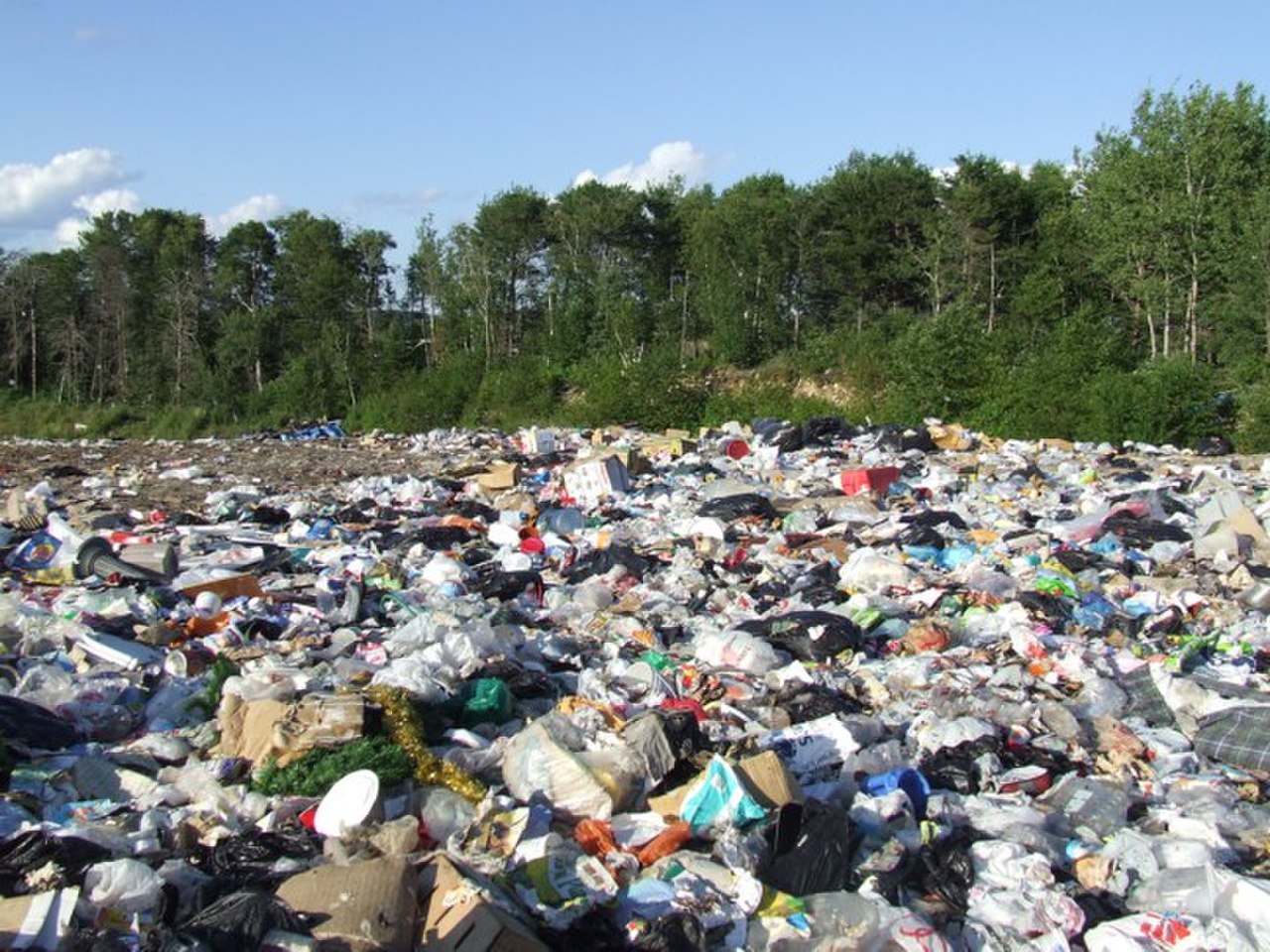
Landfills, a ubiquitous feature of modern waste management, have been a subject of controversy and debate. With over 2 billion tons of municipal solid waste generated annually worldwide, landfills have become a pressing concern, contributing to greenhouse gas emissions, leachate contamination, and habitat destruction. The history of landfills dates back to ancient civilizations, with the first recorded landfill in Athens around 500 BCE. However, it wasn't until the mid-20th century that landfills became a widespread practice, with the US alone operating over 10,000 landfills by the 1980s. Today, the environmental, social, and economic implications of landfills are being reevaluated, with many advocating for a shift towards more sustainable waste management practices, such as recycling, composting, and zero-waste initiatives. As the global population continues to urbanize, the need for effective waste management strategies will only intensify, making the future of landfills a critical issue to address, with some experts predicting a significant reduction in landfill usage by 2050, while others warn of the catastrophic consequences of inaction, including the release of over 1.5 billion tons of methane into the atmosphere, a potent greenhouse gas with a global warming potential 28 times higher than carbon dioxide over a 100-year time frame.
🌎 Introduction to Landfills
The concept of landfills has been around for centuries, with evidence of ancient civilizations disposing of waste in designated areas. However, it wasn't until the 1940s that the systematic burial of waste with daily, intermediate, and final covers became a standard practice. This marked a significant shift in waste management, as prior to this, waste was often left in piles or thrown into pits, leading to the creation of Landfills that were not only eyesores but also Environmental Hazards. The introduction of daily, intermediate, and final covers helped to reduce the impact of landfills on the environment, but the Toxic Legacy of these sites continues to be a major concern. According to the United States Environmental Protection Agency, there are over 1,900 landfills in the United States alone, with many more around the world. The Waste Management Industry is a significant contributor to the economy, but it also poses significant Environmental Risks.
💔 The Toxic Legacy of Landfills
The toxic legacy of landfills is a pressing issue that affects not only the environment but also human health. The Leachate and Gas Emissions from landfills can contaminate soil, water, and air, leading to a range of health problems. The World Health Organization has identified landfills as a significant source of Air Pollution, which is responsible for an estimated 7 million premature deaths worldwide each year. The Environmental Protection Agency has also recognized the importance of proper Landfill Management in reducing the impact of landfills on the environment. However, despite these efforts, the Landfill Crisis continues to worsen, with many landfills reaching capacity and new sites being developed. The Zero Waste Movement is gaining momentum, but it will require significant changes in consumer behavior and waste management practices to achieve its goals.
📆 A Brief History of Landfill Development
The history of landfills is a long and complex one, with evidence of ancient civilizations disposing of waste in designated areas. The Ancient Greeks and Ancient Romans both used landfills to dispose of waste, although these early landfills were often little more than piles of trash. It wasn't until the 1940s that the systematic burial of waste with daily, intermediate, and final covers became a standard practice. This marked a significant shift in waste management, as prior to this, waste was often left in piles or thrown into pits. The introduction of daily, intermediate, and final covers helped to reduce the impact of landfills on the environment, but the Toxic Legacy of these sites continues to be a major concern. The Industrial Revolution also played a significant role in the development of landfills, as the increase in industrial activity led to a significant increase in waste generation. The Waste Management Industry has continued to evolve over the years, with new technologies and practices being developed to reduce the impact of landfills on the environment.
🚮 The Impact of Landfills on the Environment
The impact of landfills on the environment is a significant concern, with the Leachate and Gas Emissions from landfills contaminating soil, water, and air. The United States Environmental Protection Agency has identified landfills as a significant source of Greenhouse Gas Emissions, which contribute to Climate Change. The World Wildlife Fund has also recognized the importance of reducing waste and promoting Sustainable Living practices to reduce the impact of landfills on the environment. The Landfill Crisis is a complex issue that requires a multifaceted approach to solve, involving changes in consumer behavior, waste management practices, and government policies. The Circular Economy is a promising approach that aims to reduce waste and promote sustainable consumption and production patterns. The United Nations has also recognized the importance of reducing waste and promoting sustainable development, with the Sustainable Development Goals including targets to reduce waste and promote sustainable consumption and production patterns.
🌟 The Role of Daily, Intermediate, and Final Covers
The role of daily, intermediate, and final covers in landfills is crucial in reducing the impact of landfills on the environment. The Daily Cover is applied at the end of each day to prevent Pests and Odors from becoming a problem. The Intermediate Cover is applied at regular intervals to prevent Settling and Erosion of the landfill. The Final Cover is applied once the landfill has reached capacity and is designed to prevent Leachate and Gas Emissions from escaping. The United States Environmental Protection Agency has established guidelines for the use of daily, intermediate, and final covers in landfills, and the Waste Management Industry has developed best practices for their use. However, despite these efforts, the Landfill Crisis continues to worsen, with many landfills reaching capacity and new sites being developed. The Zero Waste Movement is gaining momentum, but it will require significant changes in consumer behavior and waste management practices to achieve its goals.
👀 The Problem of Leachate and Gas Emissions
The problem of Leachate and Gas Emissions from landfills is a significant concern, with these pollutants contaminating soil, water, and air. The United States Environmental Protection Agency has identified landfills as a significant source of Greenhouse Gas Emissions, which contribute to Climate Change. The World Wildlife Fund has also recognized the importance of reducing waste and promoting Sustainable Living practices to reduce the impact of landfills on the environment. The Landfill Crisis is a complex issue that requires a multifaceted approach to solve, involving changes in consumer behavior, waste management practices, and government policies. The Circular Economy is a promising approach that aims to reduce waste and promote sustainable consumption and production patterns. The United Nations has also recognized the importance of reducing waste and promoting sustainable development, with the Sustainable Development Goals including targets to reduce waste and promote sustainable consumption and production patterns.
💸 The Economic Costs of Landfill Management
The economic costs of landfill management are significant, with the Waste Management Industry spending billions of dollars each year to manage landfills. The United States Environmental Protection Agency has established guidelines for the management of landfills, and the Waste Management Industry has developed best practices for landfill management. However, despite these efforts, the Landfill Crisis continues to worsen, with many landfills reaching capacity and new sites being developed. The Zero Waste Movement is gaining momentum, but it will require significant changes in consumer behavior and waste management practices to achieve its goals. The Circular Economy is a promising approach that aims to reduce waste and promote sustainable consumption and production patterns. The United Nations has also recognized the importance of reducing waste and promoting sustainable development, with the Sustainable Development Goals including targets to reduce waste and promote sustainable consumption and production patterns.
🔍 Alternatives to Traditional Landfill Disposal
Alternatives to traditional landfill disposal are being developed, with the Zero Waste Movement gaining momentum. The Circular Economy is a promising approach that aims to reduce waste and promote sustainable consumption and production patterns. The United Nations has also recognized the importance of reducing waste and promoting sustainable development, with the Sustainable Development Goals including targets to reduce waste and promote sustainable consumption and production patterns. The Waste Management Industry is also developing new technologies and practices to reduce the impact of landfills on the environment, such as Landfill Gas Capture and Landfill Reclamation. The United States Environmental Protection Agency has established guidelines for the use of these technologies, and the Waste Management Industry has developed best practices for their use.
🌈 The Future of Waste Disposal and Landfill Management
The future of waste disposal and landfill management is uncertain, with the Landfill Crisis continuing to worsen. However, there are many promising approaches being developed, such as the Circular Economy and the Zero Waste Movement. The United Nations has also recognized the importance of reducing waste and promoting sustainable development, with the Sustainable Development Goals including targets to reduce waste and promote sustainable consumption and production patterns. The Waste Management Industry is also developing new technologies and practices to reduce the impact of landfills on the environment, such as Landfill Gas Capture and Landfill Reclamation. The United States Environmental Protection Agency has established guidelines for the use of these technologies, and the Waste Management Industry has developed best practices for their use.
🤝 International Cooperation and Landfill Regulation
International cooperation and landfill regulation are crucial in reducing the impact of landfills on the environment. The United Nations has recognized the importance of reducing waste and promoting sustainable development, with the Sustainable Development Goals including targets to reduce waste and promote sustainable consumption and production patterns. The United States Environmental Protection Agency has also established guidelines for the management of landfills, and the Waste Management Industry has developed best practices for landfill management. The European Union has also established regulations for the management of landfills, with the Landfill Directive setting standards for the design, operation, and closure of landfills. The Zero Waste Movement is gaining momentum, but it will require significant changes in consumer behavior and waste management practices to achieve its goals.
📊 The Importance of Landfill Monitoring and Maintenance
The importance of landfill monitoring and maintenance cannot be overstated, with the United States Environmental Protection Agency establishing guidelines for the monitoring and maintenance of landfills. The Waste Management Industry has also developed best practices for landfill monitoring and maintenance, with the Landfill Gas Capture and Landfill Reclamation being used to reduce the impact of landfills on the environment. The United Nations has also recognized the importance of reducing waste and promoting sustainable development, with the Sustainable Development Goals including targets to reduce waste and promote sustainable consumption and production patterns. The Zero Waste Movement is gaining momentum, but it will require significant changes in consumer behavior and waste management practices to achieve its goals.
Key Facts
- Year
- 2023
- Origin
- Ancient Civilizations
- Category
- Environmental Science
- Type
- Environmental Feature
Frequently Asked Questions
What is a landfill?
A landfill is a site for the disposal of waste materials, including municipal solid waste. The concept of landfills has been around for centuries, with evidence of ancient civilizations disposing of waste in designated areas. However, it wasn't until the 1940s that the systematic burial of waste with daily, intermediate, and final covers became a standard practice. The United States Environmental Protection Agency has established guidelines for the management of landfills, and the Waste Management Industry has developed best practices for landfill management. The Zero Waste Movement is gaining momentum, but it will require significant changes in consumer behavior and waste management practices to achieve its goals.
What is the impact of landfills on the environment?
The impact of landfills on the environment is significant, with the Leachate and Gas Emissions from landfills contaminating soil, water, and air. The United States Environmental Protection Agency has identified landfills as a significant source of Greenhouse Gas Emissions, which contribute to Climate Change. The World Wildlife Fund has also recognized the importance of reducing waste and promoting Sustainable Living practices to reduce the impact of landfills on the environment. The Landfill Crisis is a complex issue that requires a multifaceted approach to solve, involving changes in consumer behavior, waste management practices, and government policies.
What are the economic costs of landfill management?
The economic costs of landfill management are significant, with the Waste Management Industry spending billions of dollars each year to manage landfills. The United States Environmental Protection Agency has established guidelines for the management of landfills, and the Waste Management Industry has developed best practices for landfill management. However, despite these efforts, the Landfill Crisis continues to worsen, with many landfills reaching capacity and new sites being developed. The Zero Waste Movement is gaining momentum, but it will require significant changes in consumer behavior and waste management practices to achieve its goals.
What are the alternatives to traditional landfill disposal?
Alternatives to traditional landfill disposal are being developed, with the Zero Waste Movement gaining momentum. The Circular Economy is a promising approach that aims to reduce waste and promote sustainable consumption and production patterns. The United Nations has also recognized the importance of reducing waste and promoting sustainable development, with the Sustainable Development Goals including targets to reduce waste and promote sustainable consumption and production patterns. The Waste Management Industry is also developing new technologies and practices to reduce the impact of landfills on the environment, such as Landfill Gas Capture and Landfill Reclamation.
What is the future of waste disposal and landfill management?
The future of waste disposal and landfill management is uncertain, with the Landfill Crisis continuing to worsen. However, there are many promising approaches being developed, such as the Circular Economy and the Zero Waste Movement. The United Nations has also recognized the importance of reducing waste and promoting sustainable development, with the Sustainable Development Goals including targets to reduce waste and promote sustainable consumption and production patterns. The Waste Management Industry is also developing new technologies and practices to reduce the impact of landfills on the environment, such as Landfill Gas Capture and Landfill Reclamation.
What is the importance of international cooperation and landfill regulation?
International cooperation and landfill regulation are crucial in reducing the impact of landfills on the environment. The United Nations has recognized the importance of reducing waste and promoting sustainable development, with the Sustainable Development Goals including targets to reduce waste and promote sustainable consumption and production patterns. The United States Environmental Protection Agency has also established guidelines for the management of landfills, and the Waste Management Industry has developed best practices for landfill management. The European Union has also established regulations for the management of landfills, with the Landfill Directive setting standards for the design, operation, and closure of landfills.
What is the importance of landfill monitoring and maintenance?
The importance of landfill monitoring and maintenance cannot be overstated, with the United States Environmental Protection Agency establishing guidelines for the monitoring and maintenance of landfills. The Waste Management Industry has also developed best practices for landfill monitoring and maintenance, with the Landfill Gas Capture and Landfill Reclamation being used to reduce the impact of landfills on the environment. The United Nations has also recognized the importance of reducing waste and promoting sustainable development, with the Sustainable Development Goals including targets to reduce waste and promote sustainable consumption and production patterns.