
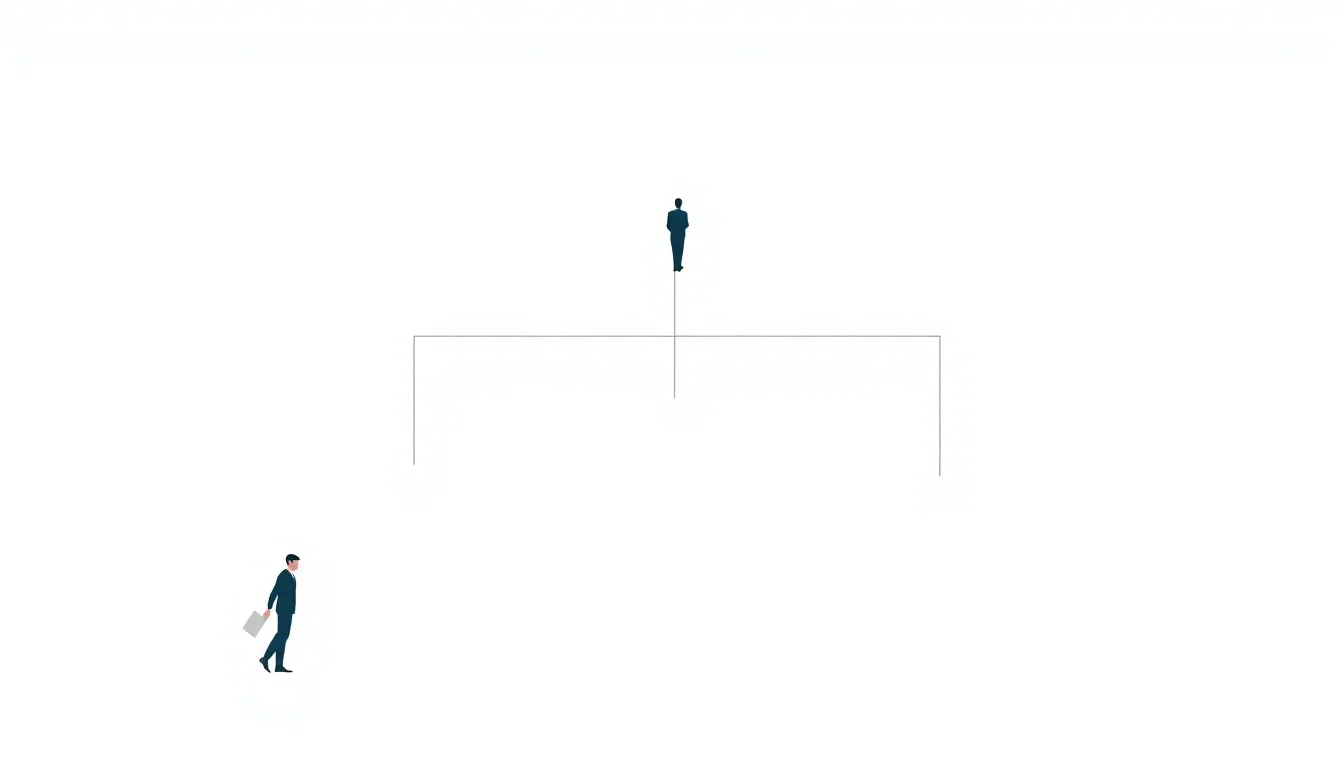
Overview
The concept of leadership structure has undergone significant transformations throughout history, from traditional hierarchical models to more modern, flat organizational designs. The historian's lens reveals that the first recorded leadership structures date back to ancient civilizations, such as Egypt and Greece, where pharaohs and philosophers held paramount power. However, the skeptic's perspective questions the effectiveness of these structures, citing examples of failed companies like Enron and Lehman Brothers, which had rigid, top-down leadership models. The fan's perspective, on the other hand, looks at successful companies like Google and Amazon, which have implemented more flexible, team-based leadership structures, resulting in increased innovation and productivity. According to a study by McKinsey, companies with diverse leadership teams are 35% more likely to outperform their less diverse peers. As the futurist's lens looks to the future, it's clear that leadership structures will continue to evolve, with a growing emphasis on artificial intelligence, remote work, and social responsibility, as seen in the rise of companies like Patagonia and REI, which prioritize environmental sustainability and employee well-being. With the rise of the gig economy and digital nomadism, traditional leadership structures are being disrupted, and new models are emerging, such as the 'holacracy' implemented by companies like Zappos and Medium.
Key Facts
- Year
- 2022
- Origin
- Ancient Civilizations, Modernized in the 20th Century
- Category
- Business and Management
- Type
- Concept