
Contents
- 🌟 Introduction to Lean Management in the Golden Age
- 📊 Key Principles and Benefits
- 🌈 Cultural and Spiritual Dimensions
- 🌎 Global Applications and Case Studies
- 🤝 Community Building and Collaboration
- 📈 Performance Metrics and Evaluation
- 🌱 Future Directions and Emerging Trends
- 📚 Resources and Further Reading
- 👥 Key People and Organizations
- 💡 Practical Applications and Implementation
- References
Overview
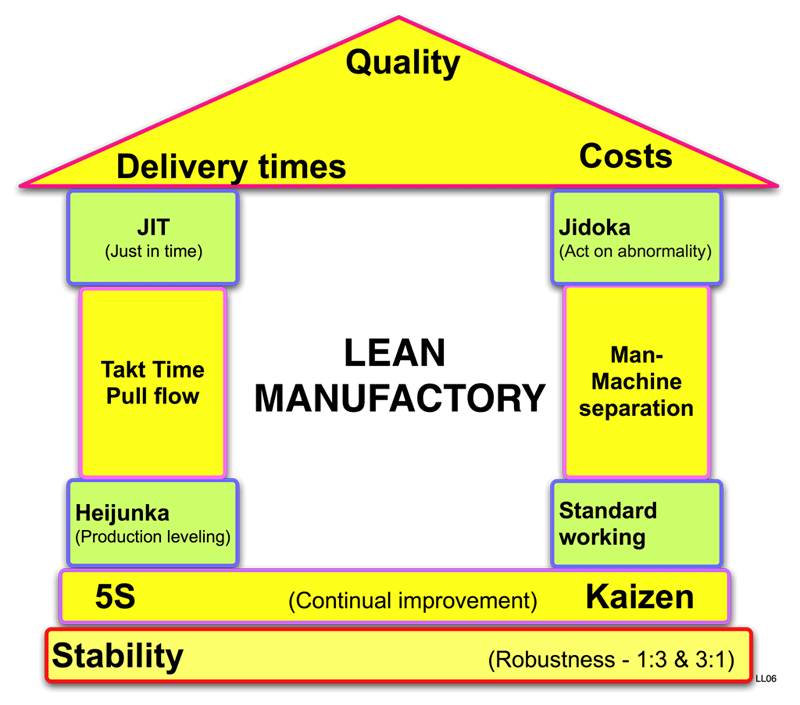
Lean management, as applied to the Golden Age, is a philosophy that integrates conscious communication, new economics, and spiritual practices to create a more efficient and harmonious system. By eliminating non-essential activities and empowering individuals to improve processes, lean management in the Golden Age fosters a culture of continuous improvement, collaboration, and mutual support. This approach is rooted in the principles of producing only what is needed, correcting abnormalities promptly, and encouraging personal growth and development. As a result, lean management in the Golden Age has the potential to transform not only organizations but also the lives of individuals and communities, promoting a more sustainable, equitable, and enlightened world. With its focus on flow, transparency, and collective well-being, lean management in the Golden Age offers a unique opportunity for personal and planetary evolution.
🌟 Introduction to Lean Management in the Golden Age
The core idea of lean management is to create a system that is both efficient and humane, where individuals can thrive and grow while contributing to the greater good.
📊 Key Principles and Benefits
Lean management has been applied in various contexts, from small startups to large corporations, and from non-profit organizations to government agencies. The Lean Institute has developed a range of resources and tools to support the implementation of lean management principles.
🌈 Cultural and Spiritual Dimensions
The cultural and spiritual dimensions of lean management in the Golden Age are equally important. By fostering a culture of transparency, accountability, and mutual support, organizations can create an environment that is conducive to personal growth and spiritual development. This, in turn, can lead to increased job satisfaction, improved well-being, and a greater sense of purpose and meaning.
🌎 Global Applications and Case Studies
Community building and collaboration are essential components of lean management in the Golden Age. By encouraging cross-functional teams, open communication, and collective problem-solving, organizations can create a sense of community and shared purpose that extends beyond the workplace. This, in turn, can lead to increased social responsibility, environmental sustainability, and economic viability.
🤝 Community Building and Collaboration
The performance metrics and evaluation of lean management in the Golden Age are multifaceted and holistic. In addition to traditional measures of efficiency and productivity, organizations must also consider the social, environmental, and spiritual impacts of their operations. This requires a more nuanced and integrated approach to evaluation, one that takes into account the complex interdependencies between different aspects of the system.
📈 Performance Metrics and Evaluation
The future directions and emerging trends in lean management in the Golden Age are closely tied to the development of new technologies, such as artificial intelligence, blockchain, and the Internet of Things. These technologies have the potential to enable more efficient, transparent, and decentralized systems, which can, in turn, support the creation of a more regenerative and equitable world.
🌱 Future Directions and Emerging Trends
For those interested in learning more about lean management in the Golden Age, there are numerous resources available, including books, articles, and online courses. Some recommended readings include works by authors such as Daniel H. Pink, Steven Covey, Ken Wilber, and Peter Senge. Additionally, organizations such as the Lean Institute offer a wealth of information and guidance on the implementation of lean management principles.
📚 Resources and Further Reading
Key people and organizations involved in the development and promotion of lean management in the Golden Age include individuals such as Daniel H. Pink, Steven Covey, Ken Wilber, and Peter Senge. These individuals, along with many others, have contributed to the evolution of lean management as a holistic and integrated approach to organizational development and personal growth.
👥 Key People and Organizations
The practical applications and implementation of lean management in the Golden Age require a deep understanding of the underlying principles and a commitment to continuous improvement and learning. Organizations must be willing to challenge their existing assumptions and practices, and to experiment with new approaches and technologies. This requires a culture of innovation, experimentation, and risk-taking, as well as a willingness to learn from failure and to adapt to changing circumstances.
Key Facts
- Category
- governance
- Type
- concept